LaSuite: A Sovereign Ecosystem of Collaborative Tools for Public Officials Rolls Out Across France
LaSuite, an ecosystem of sovereign collaborative tools for public agents, has been gradually introduced since 2024. The video conferencing solution, Visio, is set for widespread implementation across all government services by 2027, according to the announcement from the Interministerial Digital Directorate (DINUM). This rollout signifies the growth of operational public cloud services and a strategic move to reduce dependency on non-European tools.
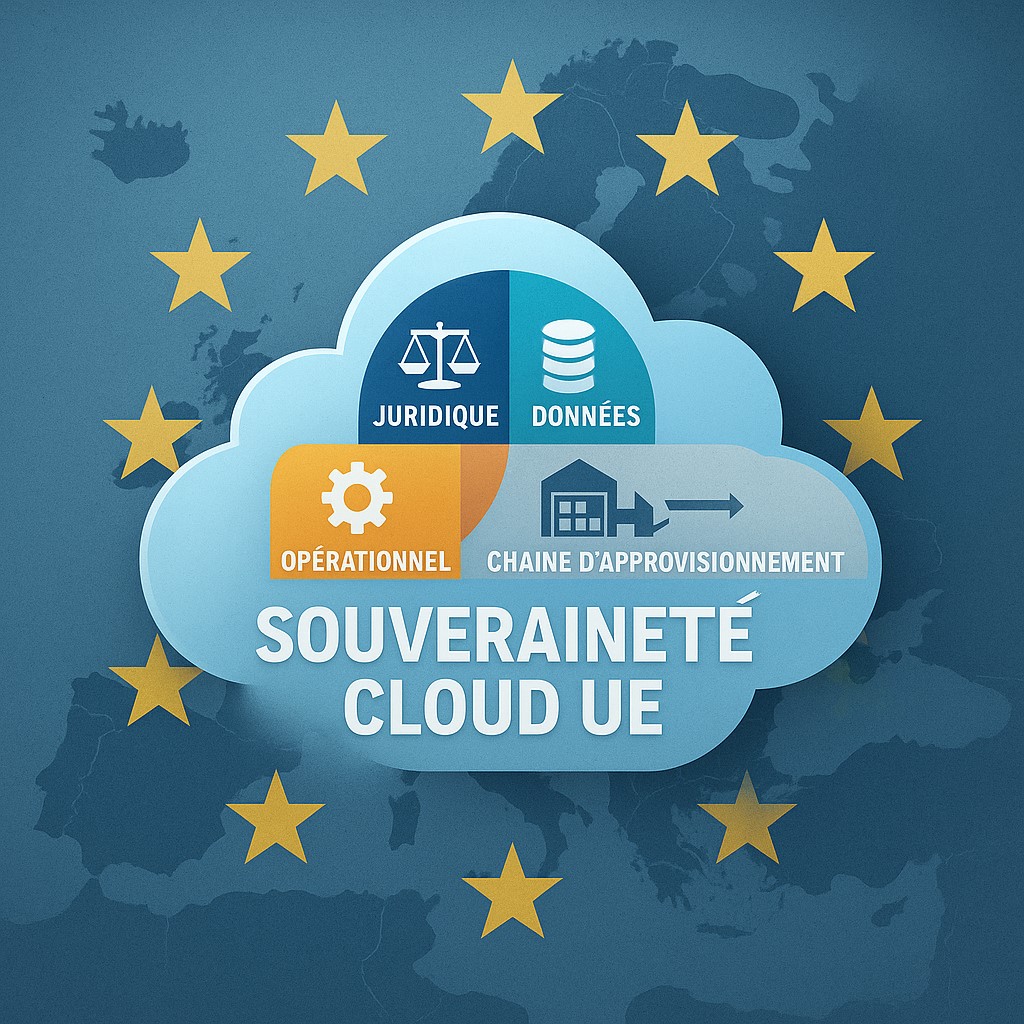
The decision to develop proprietary collaborative tools follows years of operational reliance on American software suites, which have been complicated by legal exposure under the Cloud Act. DINUM highlights that the extensive use of external platforms hampers control over sensitive data, fragments security policies, and creates a web of heterogeneous contracts among various administrations. Despite the known risks of internal development—such as user adoption uncertainties, potential technical debt, and unfavorable comparisons with mature industrial products—the government has opted for an approach grounded in open-source software, SecNumCloud infrastructure, and shared public procurement. This choice transforms sovereignty challenges into a lever for IT architecture, contingent on a deliberate effort towards usage convergence, agent training, and centralized management by IT departments.
LaSuite encompasses a suite of collaborative tools accessible via a single sign-on system called ProConnect. These tools include Tchap (open-source instant messaging), Audioconf (audio conferencing), the State’s Web Conference, Resana (document sharing and co-editing), and FranceTransfert (file transfer service), each being rolled out progressively to public agents.
A Standardized Collaborative Stack
According to DINUM, Tchap has surpassed 200,000 daily active users, while the State’s Web Conference has around 47,000 weekly users participating in nearly 10,000 meetings each week. FranceTransfert has facilitated more than 350,000 large file exchanges, and Resana boasts approximately 140,000 users, sharing close to 800,000 documents monthly. These figures reflect the genuine daily use of messaging, video conferencing, document sharing, and collaboration, exceeding a mere pilot scope.
DINUM has announced that Visio, a sovereign video conferencing solution developed as open source and hosted in France on SecNumCloud-certified infrastructure, will be generalized across all government services by 2027 as part of a strategy to phase out foreign proprietary tools. Initial pilot administrations, including CNRS, have already onboarded tens of thousands of Visio users.
Designed to gradually replace Teams, Zoom, or Webex, Visio incorporates features such as automatic transcription, meeting recording, and supports up to 150 participants, all while adhering to French privacy and security standards.
Industrialization Through Public Procurement
The government’s strategy focuses on making operational cloud components available as they mature, rather than delivering a single package all at once. This gradual progression encourages user adoption, facilitates feedback collection, and allows for daily service adjustments to meet the needs of public agents.
Standardizing the tools around LaSuite creates a standardized public offering that cultivates a market for publishers, hosting providers, and integrators compatible with requirements for sovereignty, security, and interoperability. This industrialization of use aims to streamline the IT practices of administrations and reduce costs associated with multiple external licenses currently in use.
Technical Pillars: Sovereign Cloud and Cybersecurity
LaSuite and its components, including Visio, are hosted in France on infrastructures certified by SecNumCloud, established by ANSSI, which dictates the localization of public data and compliance with state security benchmarks. This technical strategy mandates encryption mechanisms, robust access controls, and regular audits.
Integrating these services into a national cloud environment that is interoperable and based on open-source software is critical for ensuring cybersecurity in public exchanges, minimizing exposure to foreign jurisdictions, and promoting centralized IT governance.
Cloud Services and AI Ready for Activation
Beyond basic messaging and communication functions, LaSuite includes tools such as Grist for collaborative work on data sets and is preparing to integrate AI-based elements for transcription, writing assistance, and content analysis. These features are already available to select groups of agents through experimental and usage cycles.
The rollout of Visio and the subsequent activation of services under LaSuite are reshaping the governance of public information systems by imposing uniform standards for collaboration, security, and interoperability. This rationalization is expected to reduce the attack surface associated with disparate solutions and lessen support burdens for IT departments.
By unifying sovereign cloud, cybersecurity, and collaborative services under a cohesive technical and procedural framework, the government is laying a solid foundation for the industrialization of public digital services, aligned with the objectives of digital sovereignty and operational efficiency sought by the trusted IT sector.