Unyc Launches Integrated EDR Solution to Bolster Cybersecurity Offerings for SMEs
Unyc has unveiled an integrated Endpoint Detection and Response (EDR) solution within its Atlas platform, further enhancing its cybersecurity portfolio aimed at small and medium-sized enterprises (SMEs). This move aligns with competitive strategies already adopted by Bouygues Telecom Business and Orange Business, as industry players layout comprehensive service packages that combine cybersecurity, cloud solutions, productivity tools, and communications. The goal is to attract businesses navigating a gradual transition towards sovereign IT environments.
Ahead of the upcoming IT Partners 2026 event, Unyc’s new EDR component is powered by a cloud-based architecture managed through Atlas and provides coverage for workstations, physical servers, and virtual machines. Hosted in European data centers certified under ISO 27001, the service ensures data localization and compliance with regulatory requirements. This native integration enables partners to manage the entire lifecycle—from ordering to deployment—effectively minimizing operational frictions and accelerating time-to-market.
This announcement comes at a time when many small businesses exhibit a low level of cybersecurity preparedness. According to reports, four out of five SMEs admit they are not equipped to handle cyberattacks, and more than half struggle to assess the impact of incidents on their operations. Concurrently, the expansion of the NIS2 and DORA regulatory frameworks is extending security obligations to subcontractors, which now places many SMEs under direct contractual pressure. This tightening of regulations turns cybersecurity into a market entry prerequisite rather than merely a technical option.
EDR as a Gateway for SMEs
Functionally, the EDR integrates behavioral detection, automated responses, vulnerability analysis, and centralized monitoring. This foundation allows for the identification of emerging threats, automatic isolation of compromised devices, and restoration of affected files. For Chief Information Security Officers (CISOs) and IT Managers within SMEs, the immediate benefits include reduced detection times, limited lateral movement of threats, and enhanced visibility into endpoint security posture without the need for specialized in-house teams.
However, the challenge extends beyond individual endpoint protection. Like Bouygues Telecom Business and Orange Business, Unyc is now arranging integrated service stacks that combine cybersecurity, backup solutions, connectivity, and collaborative tools. This convergence addresses the growing demand for cohesive, rapidly deployable environments managed by local partners as businesses strive to minimize vendor fragmentation and stabilize their IT expenses.
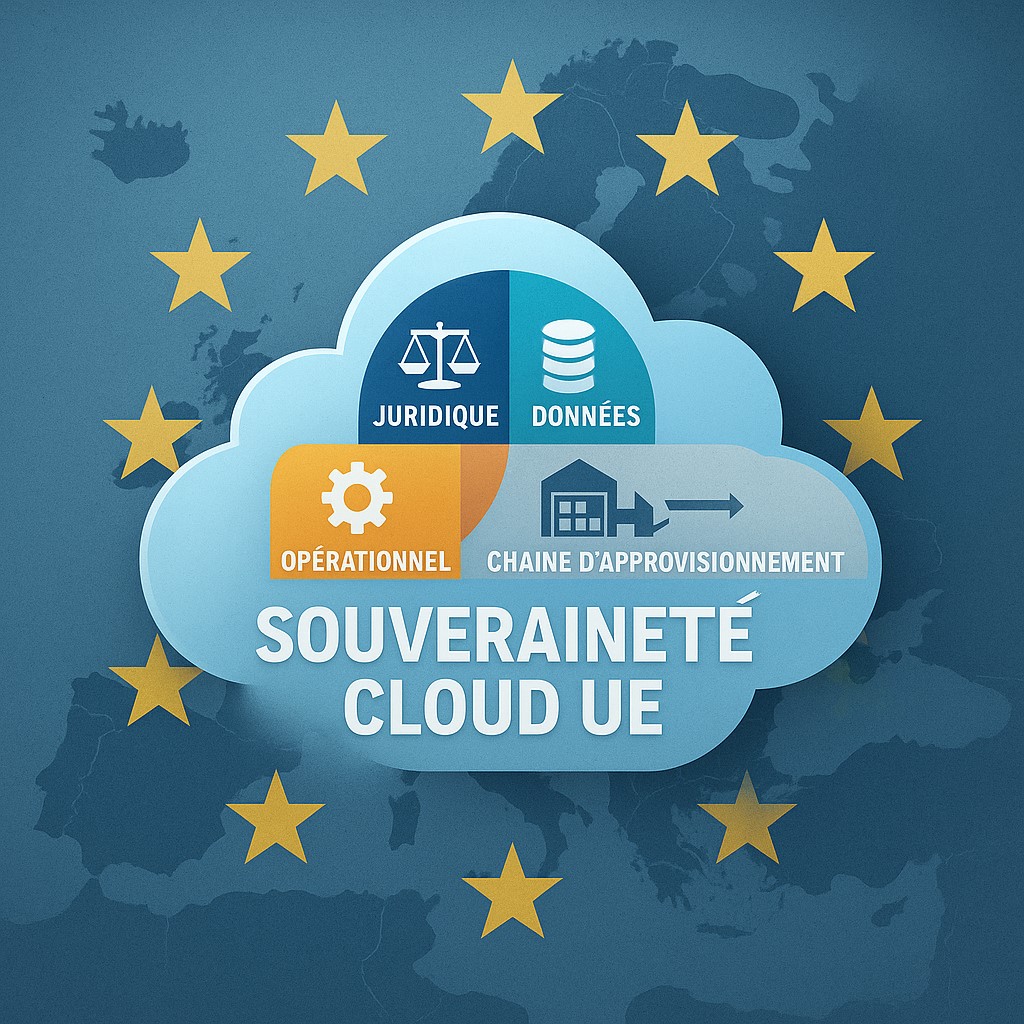
This shift aligns with a broader movement toward IT sovereignty. Rising prices from certain international vendors, coupled with contractual uncertainties and regulatory pressures, are prompting SMEs to reassess their technological dependencies. While cybersecurity is the most visible entry point, this trend is already spilling over into digital productivity and unified communications, emphasizing data control and budget predictability.
IT Sovereignty as a Lever for SME Engagement
For Unyc, the EDR serves as a catalyst for commercial and technical activation across a network of over 1,300 partners. This approach empowers local integrators to broaden their value propositions while granting SMEs access to advanced capabilities without the need to develop specialized expertise internally. In the short term, this strategy results in a measurable improvement in simplifying purchasing journeys.
Looking ahead, competition in the SME market will hinge on the ability to deliver complete, operationally-ready IT environments that comply with European legal frameworks. For CISOs and IT Managers, anticipated benefits are significant, including fewer points of contact, enhanced security postures, better business continuity, and increased cost visibility. For providers, the challenge lies in capturing ongoing migration flows by offering integrated sovereign solutions rather than isolated technological components.