

Circular Ring 3 Pro and Ring 3 Slim: NFC, Vibrating Alerts, and Up to 12 Days of Battery Life
Circular revamps its smart ring with the Circular Ring 3 series, now consisting of two models with distinct ambitions. The Circular Ring 3 Pro retains the advanced health features introduced with the Circular Ring 2, while the Circular Ring 3 Slim focuses on a more discreet design and simpler physiological tracking.
Both versions, however, add two particularly interesting functions for everyday use: vibration alerts directly on the finger and an integrated NFC chip for making payments without the need to pull out a smartphone or wallet. This move allows Circular to gradually transform the ring into an interactive device rather than just a passive sensor.
Circular Ring 3 Pro: Thinner, Stronger, and Health-Focused
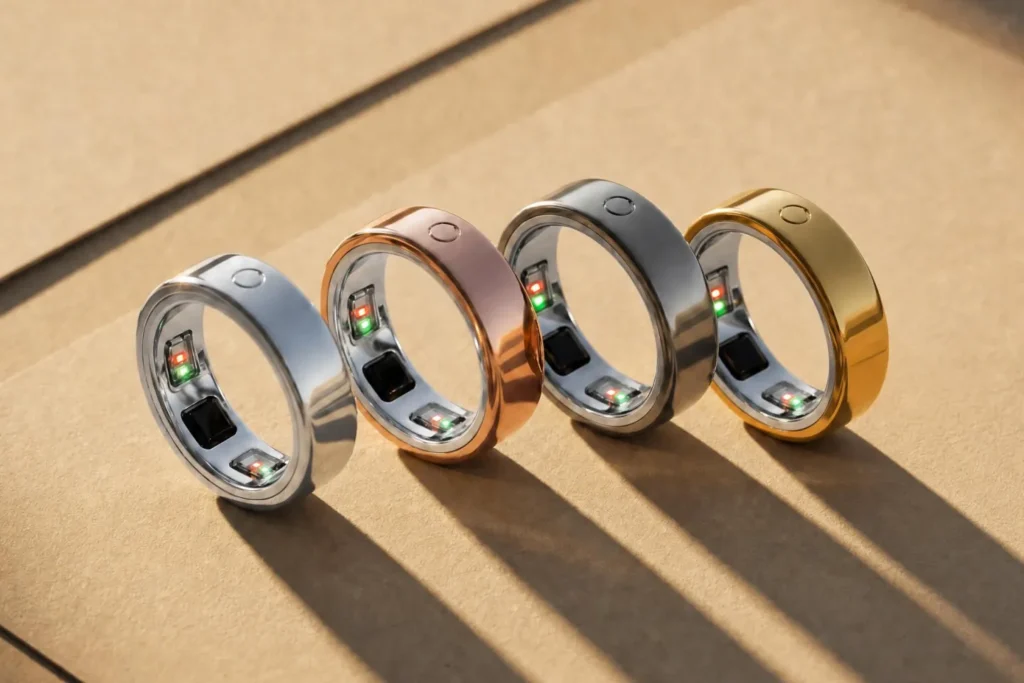
The Circular Ring 3 Pro maintains its medical and wellness positioning from the Ring 2 while reducing its bulk. Circular now uses titanium both internally and externally to improve durability while maintaining a slimmer profile. The color options remain familiar, with finishes in gold, rose gold, silver, and black.
The brand especially retains the advanced tracking features introduced in the previous generation, including ECG and FDA-approved atrial fibrillation detection from the previous model. The Circular Ring 3 Pro is designed for users who want to utilize the ring as a comprehensive physiological tracking tool rather than just a simple activity tracker.
The size reduction is significant, as comfort remains one of the most critical criteria for a smart ring. Unlike a watch, the device stays in constant contact with the skin and must be discreet enough to be worn day and night.
Up to 12 Days of Battery Life Despite a Smaller Battery
Circular also announces a notable improvement in battery life. The Circular Ring 3 Pro could last up to 12 days on a single charge, compared to around 7 days for the Ring 2, despite utilizing a battery of lower capacity.
This improvement suggests that Circular has focused on the energy efficiency of its sensors, electronics, and software rather than just increasing battery size.
The wireless charging case can recharge the ring five to six times before needing to be plugged in itself. For a product designed for tracking sleep and physiological constants, this battery life is particularly crucial, as every recharge is a period during which some data is not recorded.
Circular clearly aims to reduce friction related to daily use, a domain where smart rings already have a natural advantage over many smartwatches.
Circular Ring 3 Slim: A Lighter, Less Medical Alternative
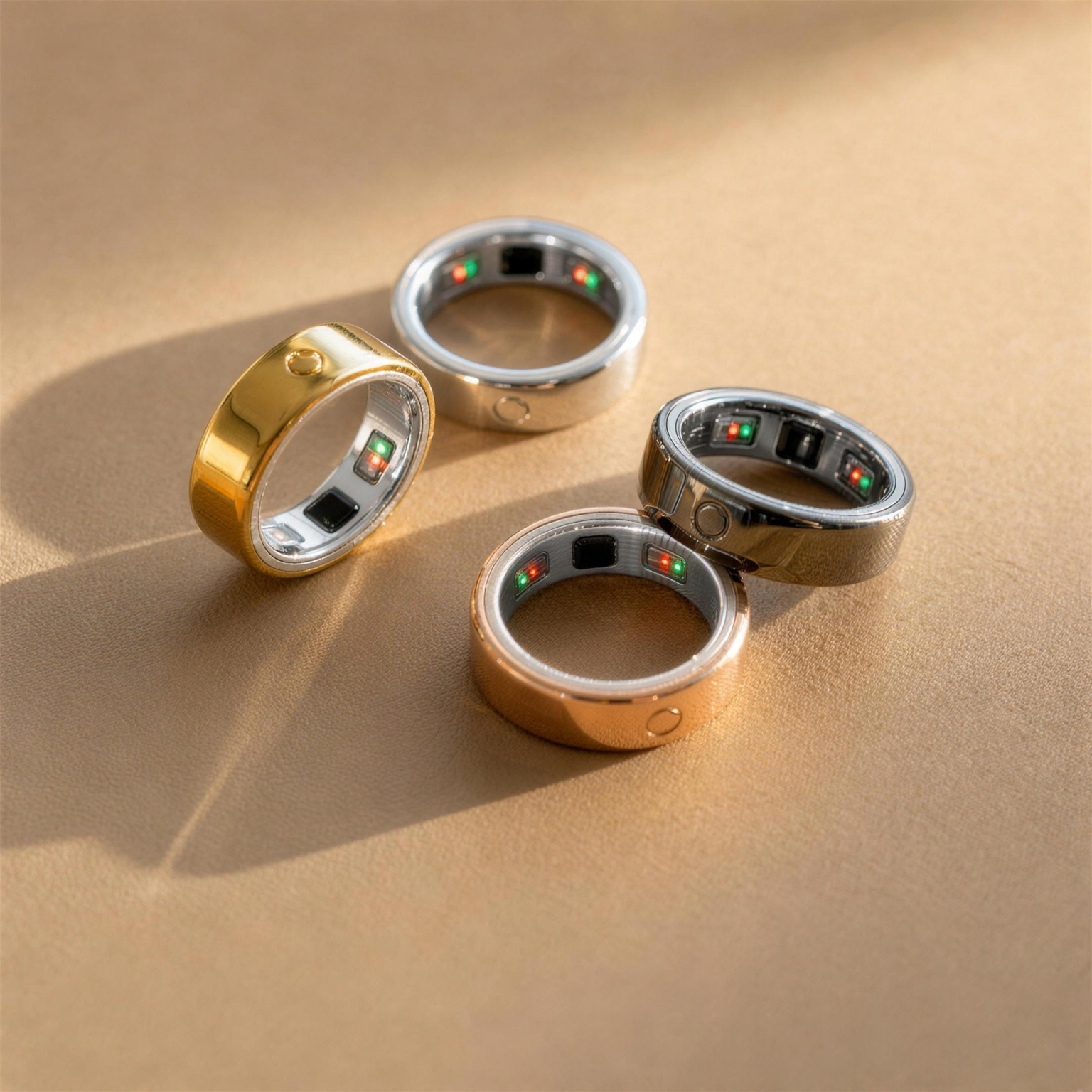
The Circular Ring 3 Slim follows a different philosophy. It is even thinner, lighter, and more compact than the Pro version. Circular also replaces the internal titanium with a biocompatible non-metallic epoxy resin, allowing for further weight and thickness reduction.
Battery life is slightly reduced to 10 days, which remains ample for a tracker worn continuously.
In exchange, some advanced features are omitted. The Circular Ring 3 Slim retains PPG sensors to measure heart rate and blood oxygen saturation but lacks both the ECG sensor and atrial fibrillation detection. It does, however, track several essential indicators, including skin temperature, sleep, daily activity, and heart rate variability.
Circular segments its lineup logically: the Pro targets users seeking maximum data, while the Slim prioritizes comfort and discretion.
Vibration Alerts Directly on the Finger
The most original new feature shared by both models is the integration of a vibration system. The Circular Ring 3 can provide alerts for alarms, medication reminders, or guided breathing exercises. This functionality subtly changes the ring’s role.
Until now, smart rings primarily functioned as silent sensors: they collected information, which the user would then check on their smartphone. With the vibrations, Circular introduces a two-way communication.
The ring can now remind users of actions or accompany exercises without screens or sound notifications. For discreet alarms or personal reminders, this format is particularly relevant.
This approach could become a real differentiating factor if Circular can make the vibrations noticeable without compromising battery life or comfort.
The NFC Turns the Ring Into a Payment Method
Another significant evolution is the integration of an NFC chip in both Ring 3 models. Circular announces the ability to make contactless payments directly with the ring, eliminating the need to pull out a phone or wallet. This feature may seem secondary compared to health data, but it could become one of the most practical uses in daily life.
A ring is naturally accessible and is worn continuously, making it particularly suited for contactless payments. Unlike a smartwatch, it doesn’t require awakening or manipulation in the same way.
Success will depend on banks, payment networks, and compatible markets at launch. An integrated NFC chip alone does not guarantee universal availability of the service.
Circular Aims to Differentiate Its Rings Beyond Sensors
The market for smart rings is starting to saturate, and basic sensors are gradually becoming similar across manufacturers. Heart rate, sleep, temperature, SpO₂, and HRV have become almost standard features of premium products.
Circular is thus seeking differentiation through interaction.
The vibrations allow the ring to communicate with its wearer, while the NFC offers a transactional function independent of health tracking. This evolution is strategic, as it broadens the reasons to wear the ring all day.
It also reduces reliance on the mobile app. The more a smart ring can be useful directly on the finger, the more it becomes a genuine device rather than just a data-collection peripheral.
Two Models to Broaden the Audience
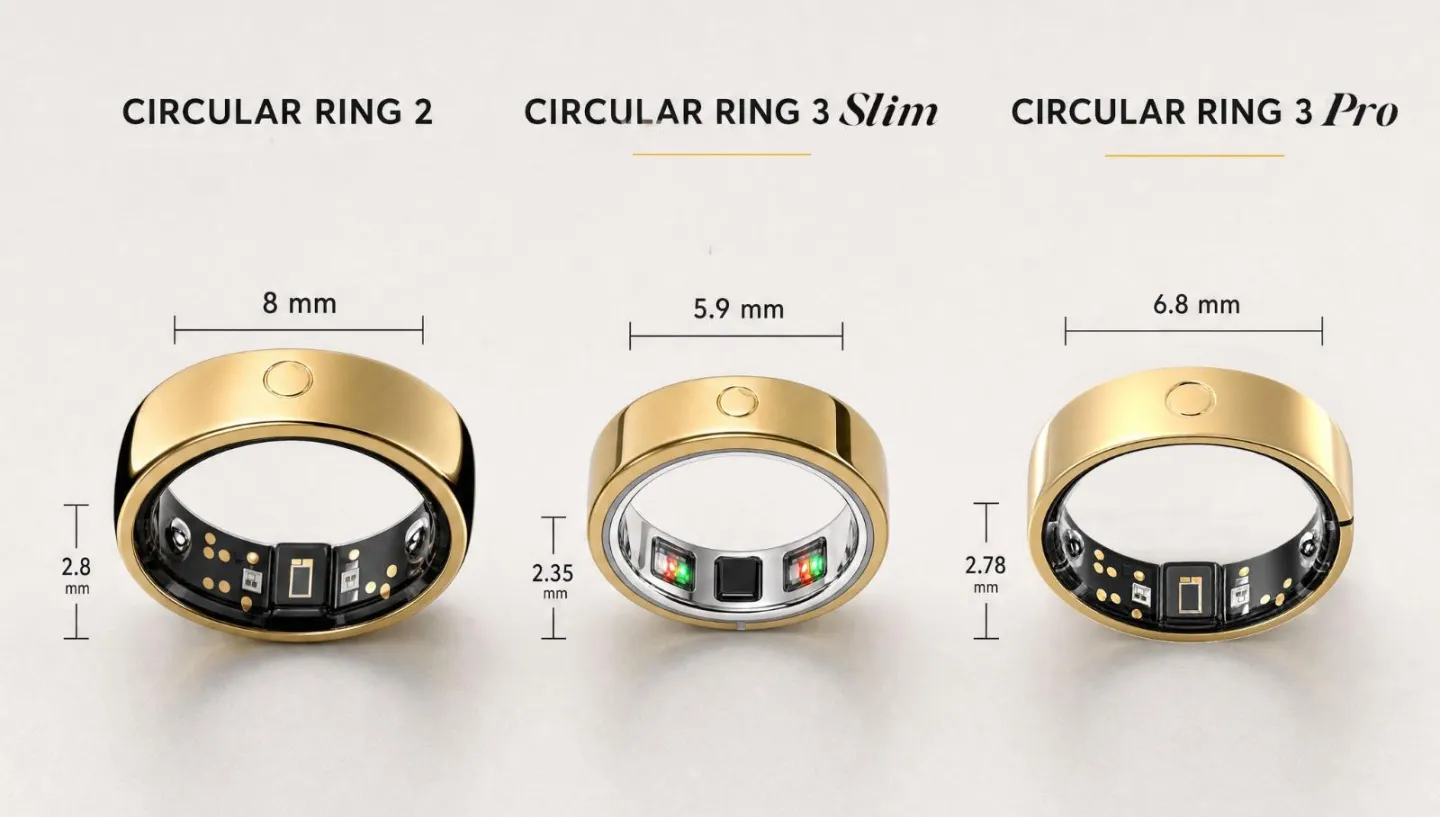
The differentiation between the Circular Ring 3 Pro and Ring 3 Slim also reflects the increasing maturity of the category. Not all users necessarily want an ECG or advanced tracking of cardiac anomalies. Some prioritize battery life, comfort, and sleep. The Slim precisely meets this demand for a more discreet device, while the Pro retains the argument for advanced physiological tracking.
This segmentation could allow Circular to offer two different price levels, although the brand has not yet announced the prices.
The final positioning will be particularly important against established competitors in the smart ring market, where price must be weighed against the potential presence of a software subscription.
Expected Availability in Early 2027
Circular is planning to launch the Circular Ring 3 Pro and Ring 3 Slim in early 2027, although prices have yet to be announced. In the meantime, several points will need to be clarified: exact NFC payment compatibility, regional availability of health functions, conditions for using atrial fibrillation detection, and any associated paid services.
On paper, the Ring 3 Series represents an interesting evolution. Circular is not only focused on reducing thickness or improving sensors; the brand is also looking to provide the ring with new directly useful functions without a screen.
This might be where the next step in the market occurs. After learning to measure our sleep and heart rate, smart rings now seek to become capable of alerting us, guiding us, and even making payments on our behalf.



