

Moto Watch Ultra: Motorola Challenges Galaxy Watch Ultra with LTE, Qira AI and Half the Price
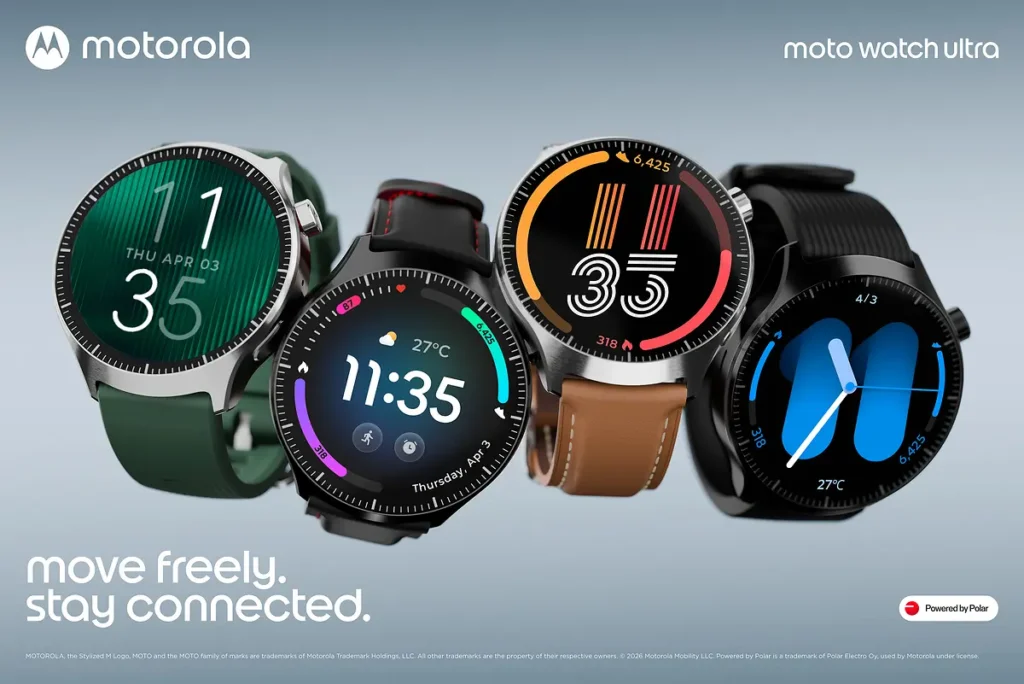
As anticipated, during IFA 2026, Motorola made its mark in the Wear OS smartwatch arena with the Moto Watch Ultra, its most ambitious model to date. Featuring a 46mm case, LTE connectivity, 5 ATM water resistance, dual-band GPS, health tracking developed in collaboration with Polar, and the new Qira AI, Motorola clearly aims to compete with Samsung’s Galaxy Watch Ultra.
However, its most compelling argument may simply be its price. At €429 in France, the Moto Watch Ultra is half the price of the Galaxy Watch Ultra 2, which retails at €750, while still providing a rugged specification sheet that appeals to users looking for a durable smartwatch without crossing into the high-end market.
A Robust Design Without a Too Sporty Aesthetic
Motorola opted for a polished 46mm stainless steel case, adopting a less utilitarian approach than some so-called Ultra models. The goal is to maintain true durability for sports activities while offering a design subtle enough to remain credible in professional or more formal settings.
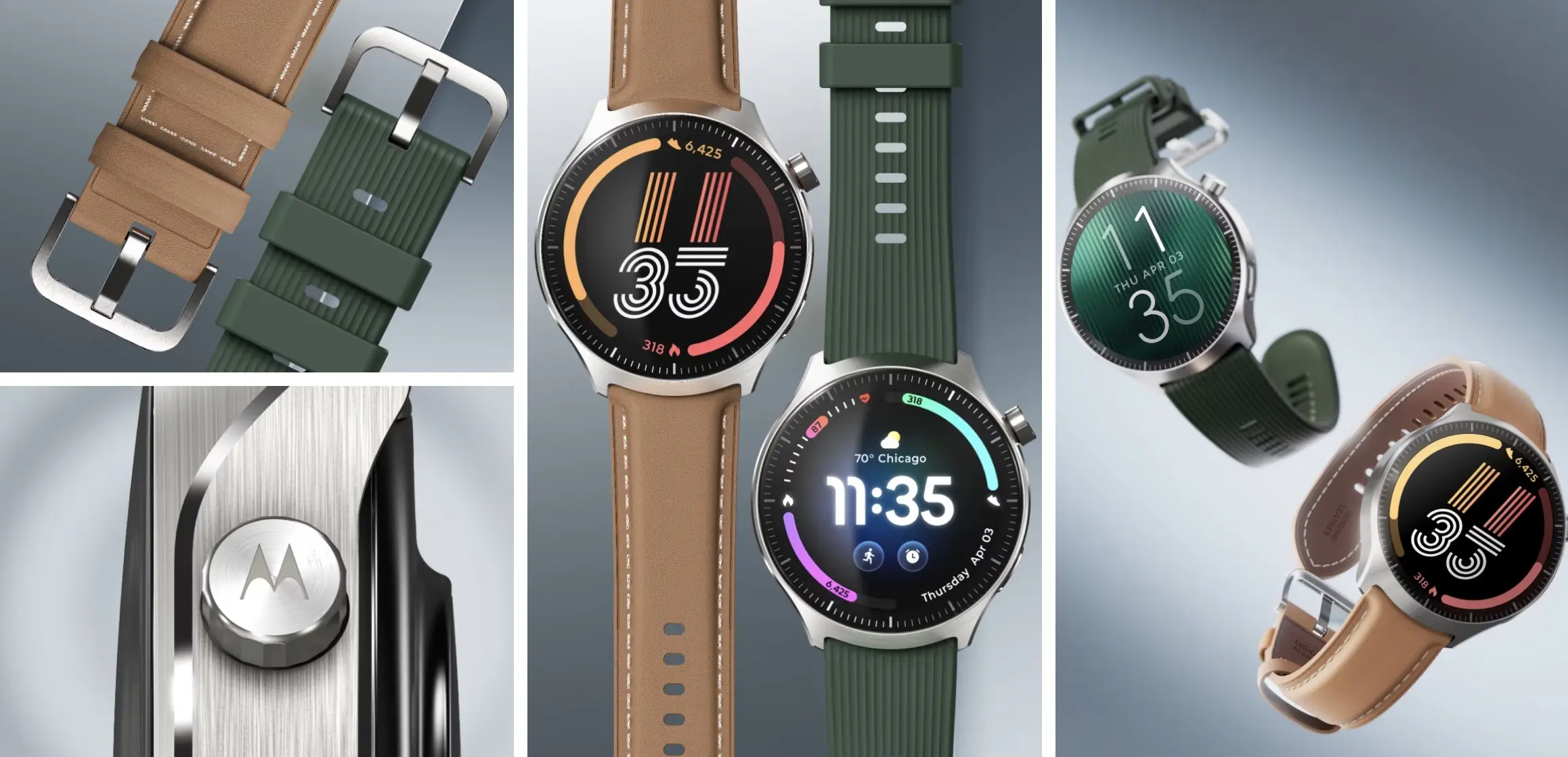
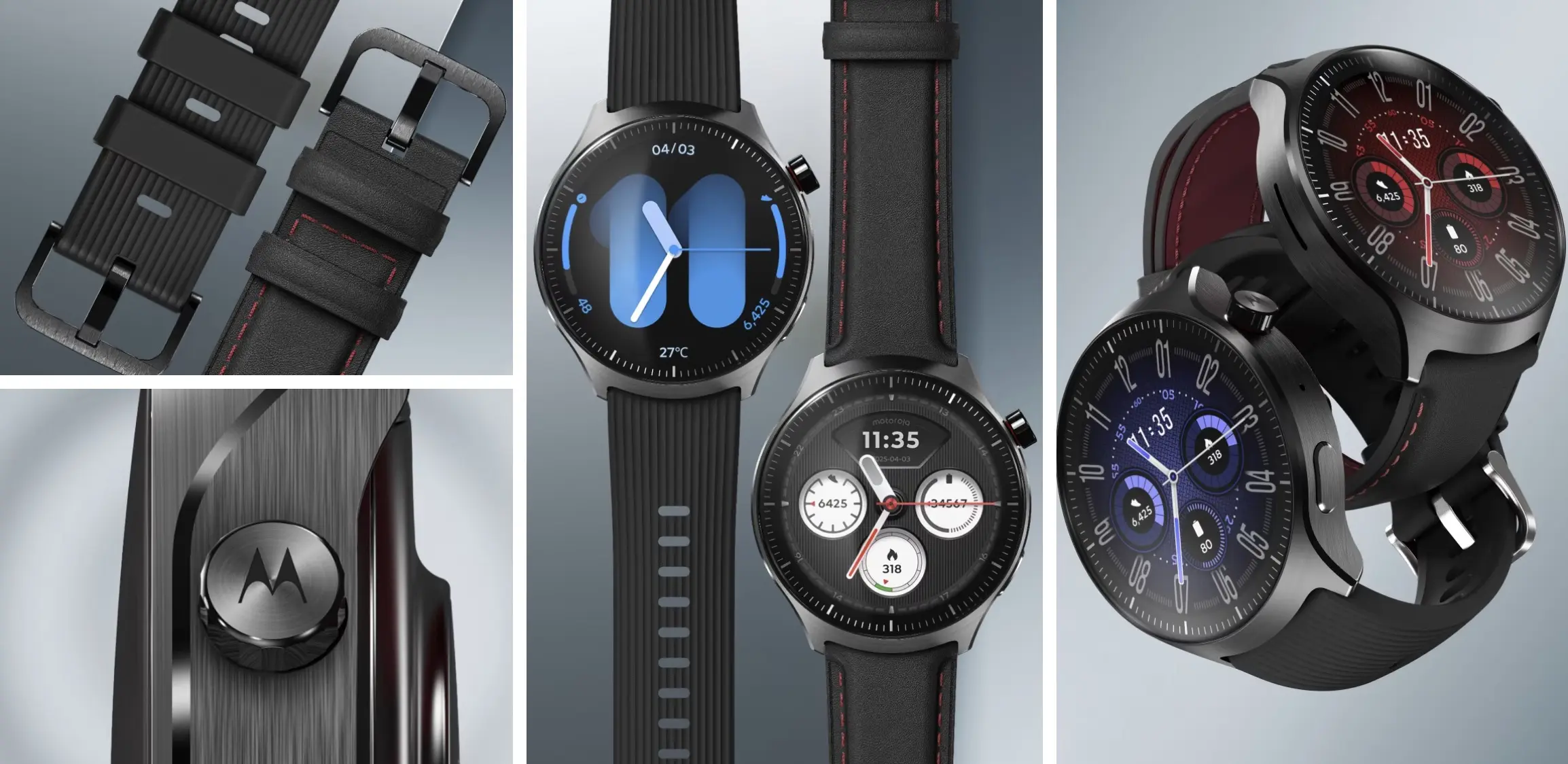
The watch is IP68 certified against water and dust and also boasts a 5 ATM resistance, allowing it to be used in more demanding aquatic activities than a standard watch. Motorola also includes two straps in the box, one made of silicone and the other of leather, to cover both sporty and everyday uses.
The result is reminiscent of some OnePlus watches in its balance between robustness and elegance, but Motorola seeks to go further with a more premium finish and a true ambition for versatility.
The First Motorola Watch with LTE
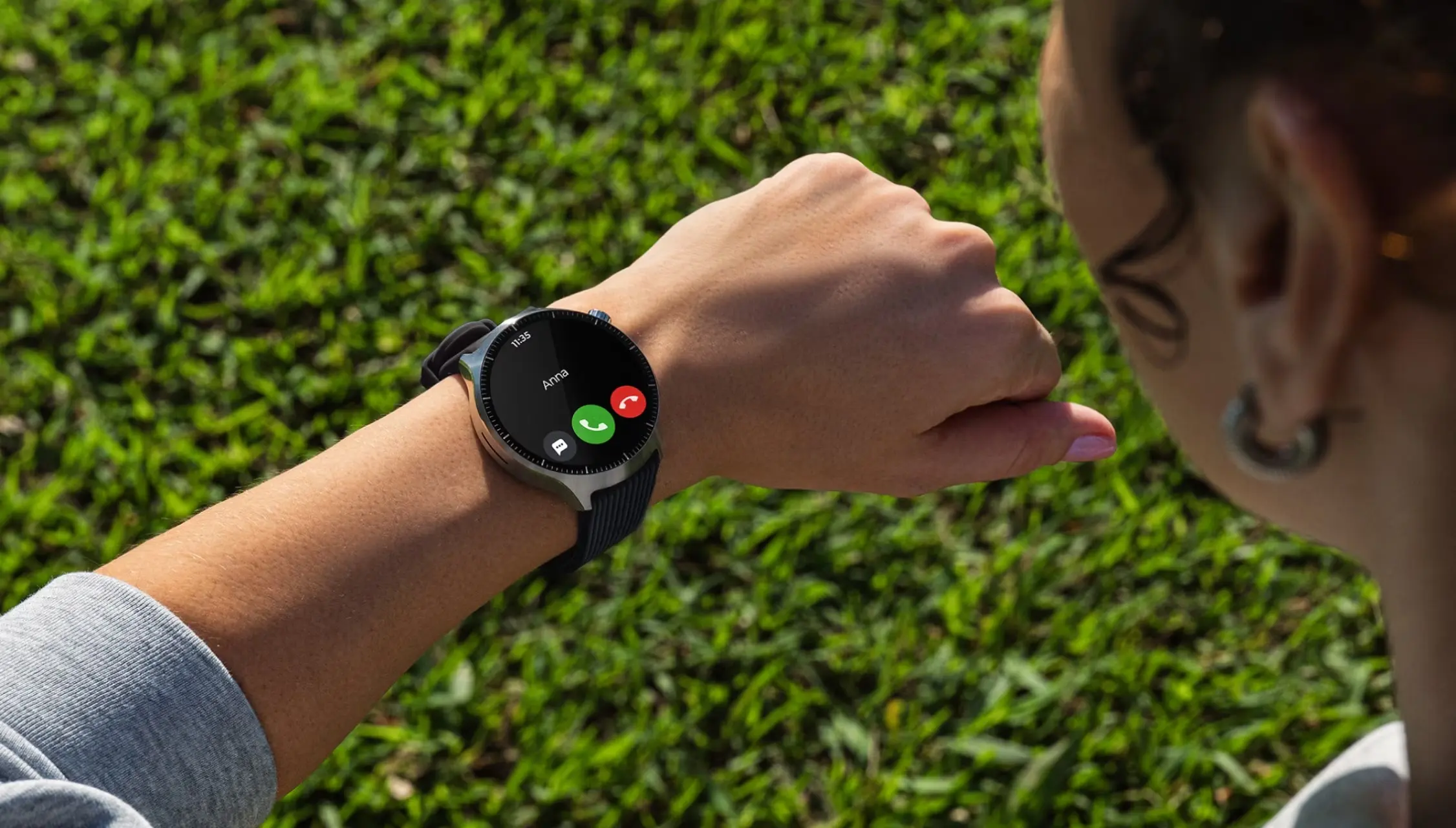
The Moto Watch Ultra is also the brand’s first smartwatch to integrate LTE cellular connectivity. This feature allows users to make calls, receive data, or use certain services without needing to keep their smartphone close by, provided they have a compatible plan. This is a crucial element for a watch aiming to compete with Ultra models from Samsung or Apple.
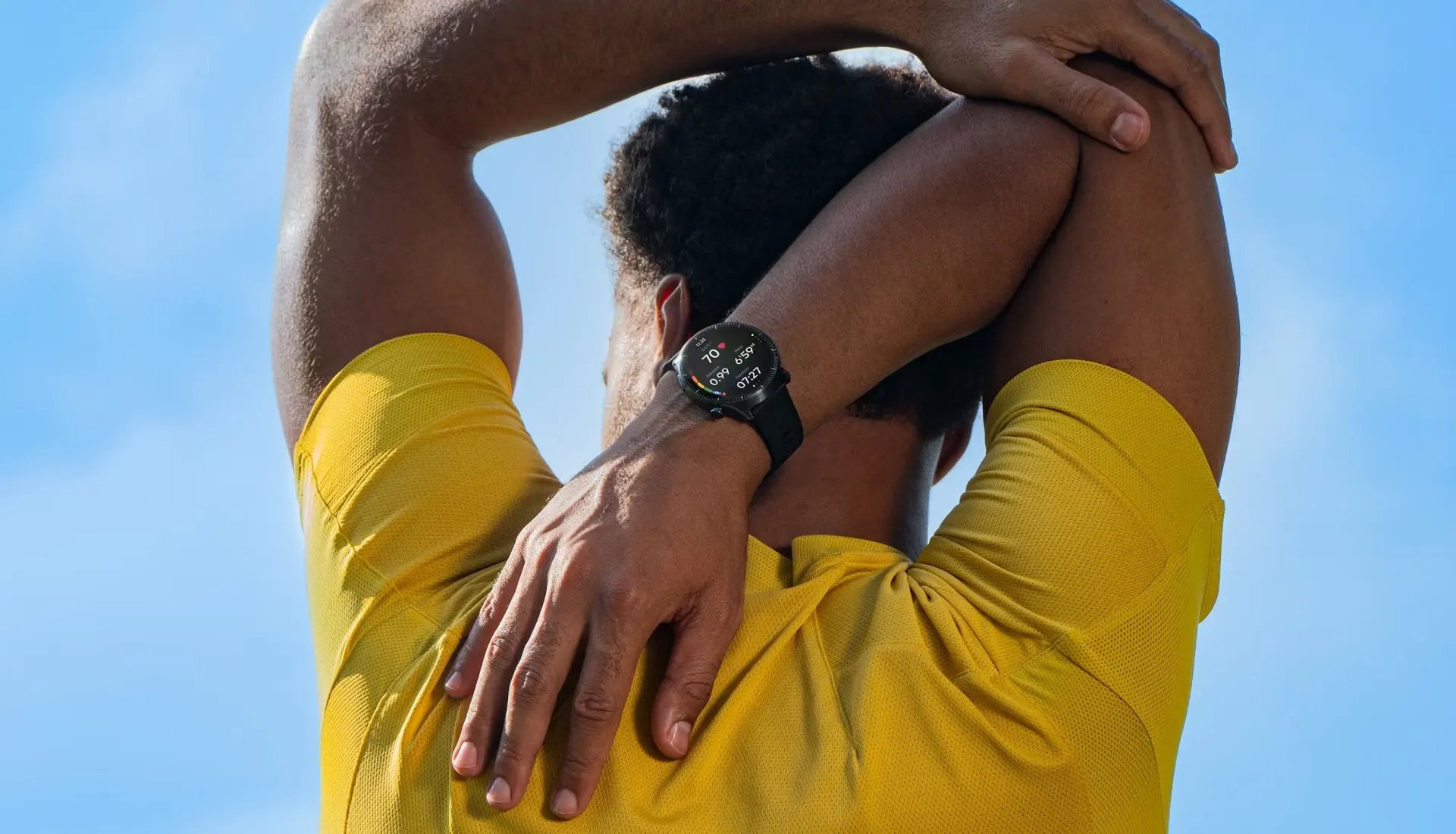
For sports, the benefit is particularly clear: running, walking, or spending hours away from the phone becomes much simpler if the watch can remain connected on its own.
The addition of LTE brings Motorola closer to the functional level expected from the best Wear OS watches, where independent connectivity is no longer viewed as a luxury but as a core component of the high-end offering.
Qira AI Enters the Wearable Space
Motorola also employs the Moto Watch Ultra to introduce Qira AI, the artificial intelligence developed within Lenovo. This watch becomes the first wearable to integrate such technology, featuring conversational interactions capable of synchronizing with other group devices. Motorola aims to establish continuity between smartphones, PCs, and the watch through a single assistant.
This positioning is intriguing, as AI is gradually becoming a new differentiation ground in Wear OS. Samsung is pushing Galaxy AI, Google is developing Gemini for the Pixel Watch, while Motorola now seeks to create its own software layer.
The challenge lies in understanding what Qira genuinely brings to the wrist. Conversational AI is beneficial on a watch only if it reduces manual operations and allows for quick information retrieval or action initiation without needing to pull out the phone.
Polar Remains Motorola’s Health Partner
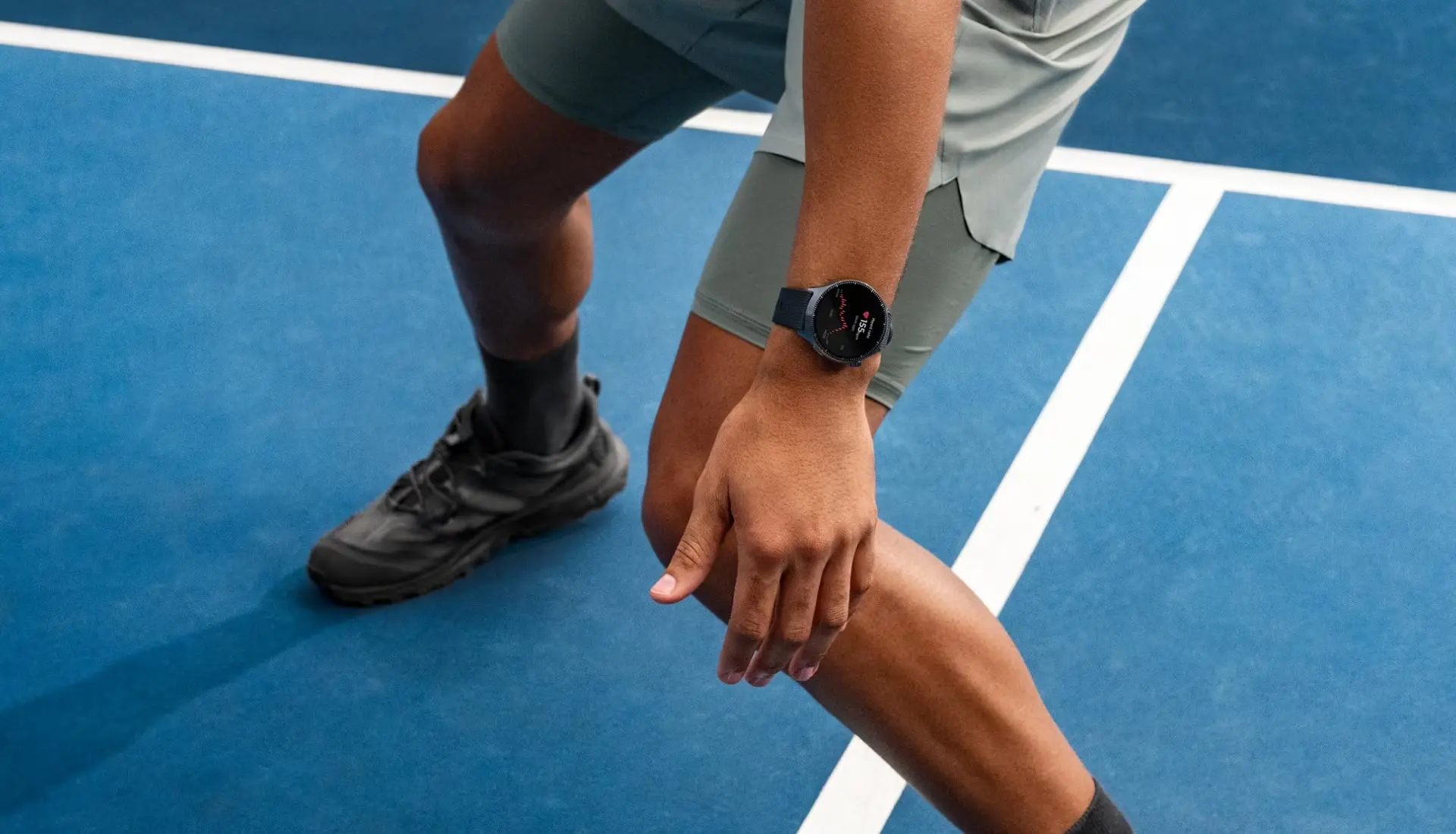
Motorola continues its collaboration with Polar for advanced sports and physiological features. The Moto Watch Ultra thus offers metrics related to recovery, active intensity zones, and metabolism. A running coach is also integrated to assist training and provide recommendations based on the user’s performance.
This partnership allows Motorola to rely on the expertise of a historical player in sports tracking rather than developing its entire analytical layer alone.
This strategy is quite sound. On a modern smartwatch, sensor quality is no longer sufficient; data interpretation, recommendation consistency, and metric readability have become equally important.
The Moto Watch Ultra thus aims not only to record more data but to transform it into useful insights regarding effort and recovery.
Snapdragon W5+ Gen 1 and Dual-Band GPS
The watch is powered by the Snapdragon W5+ Gen 1 platform, a chip well-known in the Wear OS realm. While it may not be the latest on the market, it remains sufficiently capable of delivering a smooth experience while keeping power consumption reasonable.
Motorola also adds a dual-band GPS, designed to improve positioning accuracy in challenging environments like dense urban areas, wooded zones, or routes surrounded by buildings.
This feature has become almost essential in high-end sports watches. It typically reduces trajectory errors and provides more reliable data regarding distance or pace.
For a watch that aims to directly compete with the Galaxy Watch Ultra, the integration of more precise GPS was thus crucial.
Two Days of Battery Life, But with a Major Trade-off
Motorola claims up to two days of active usage when the Always-On display is disabled. This estimate is reasonable for a Wear OS watch, but it also reveals the product’s limitations. With the Always-On feature activated and all functions regularly used, daily recharging will likely be necessary.
The company partially compensates for this point with fast charging: 15 minutes would provide about 24 hours of battery life, again with Always-On disabled.
This capability may make the constraint easier to manage day-to-day. A short charge during a shower or breakfast could suffice to carry on for the day without needing to leave the watch plugged in for hours.
However, compared to watches that can last several days on full usage, battery life remains one of the model’s clear compromises.
Motorola Directly Targets Samsung on Price
The Moto Watch Ultra will be available around September 18, 2026, on motorola.fr, priced at €429. This positioning is especially aggressive against the Galaxy Watch Ultra 2. At this price point, Motorola isn’t just trying to be slightly cheaper. The price difference is significant enough to completely change the comparison.
LTE, a steel case, 5 ATM resistance, dual-band GPS, Polar sports functions, and integrated AI are offered at a significantly lower price than the main competitor, Samsung.
The real question will be what Motorola sacrifices to achieve this price point.
The Galaxy Watch Ultra Retains the Ecosystem Advantage
Samsung undoubtedly has several important arguments. The Galaxy Watch Ultra benefits from deep integration with Galaxy smartphones, a more mature software ecosystem, and extensive health tracking developed over multiple generations.
Motorola arrives with a newer proposition and will need to prove the quality of its software, the accuracy of its metrics, and the stability of Qira AI in everyday use. The price-performance ratio may look excellent on paper, but a smartwatch is also a software product that one uses constantly.
Samsung has several years of optimization experience in its Wear OS offerings.
Google Takes a More Everyday Approach with the Pixel Watch
The Pixel Watch 5 follows a different philosophy. Google places more emphasis on daily tracking, Gemini AI, and integration with Fitbit than on a true “Ultra” approach. The Moto Watch Ultra thus occupies an interesting middle ground: more robust and sporty than a Pixel Watch but significantly cheaper than Samsung’s offer.
This positioning may allow it to appeal to users looking for a premium, durable watch without spending $700.
Motorola effectively avoids a direct confrontation on all fronts, aiming instead to exploit the price space between standard models and the most expensive Ultra watches.
A Watch That Could Revitalize Motorola in the Wearable Market
The Moto Watch Ultra is likely the most significant wearable product from Motorola in several years. The brand is no longer just aiming to produce an extension of its smartphone but rather an adequately complete watch to stand against Samsung and Google.
With features like LTE, in-house AI, a Polar partnership, and a more premium design, Motorola finally presents a distinguishable proposition. The price further reinforces this impression.
At €429, the Moto Watch Ultra could become a particularly interesting alternative if its actual battery life and health tracking deliver on their promises. While Motorola may not outdo Samsung solely based on the specifications, it has made the Ultra segment much harder to justify at €750.



