


Huawei MatePad Pro 12: Thinner, Lighter, and Always Equipped with a PaperMatte OLED Display
Huawei updates its premium tablet with the MatePad Pro 12, a model that focuses more on optimization rather than breaking new ground. More compact than its predecessor, the MatePad Pro 12.2 inches, this 2026 generation weighs only 454 grams and is 4.7 mm thick while retaining a 3K OLED PaperMatte display.
The tablet aims primarily to attract users looking for a large, comfortable screen for reading, writing, and drawing, with a strong focus on productivity. Huawei also adds various AI functions, air gestures for the stylus, and a battery that can reach up to 10,400 mAh depending on the market.
A Significantly Lighter Chassis
The first change is immediately noticeable in the specifications. The MatePad Pro 12 weighs only 454 grams, compared to approximately 508 grams for the 2025 model with a 12.2-inch display. Huawei has therefore shed more than 50 grams while keeping a similar diagonal size.
The thickness has also dropped from 5.5 mm to 4.7 mm, positioning the tablet among the thinnest in its category.
This reduction in weight is especially important for a 12-inch device. A few dozen grams can make a genuine difference when holding the tablet in one hand for several minutes or carrying it daily along with a keyboard and stylus.
Huawei Slightly Reduces the Diagonal for Better Portability
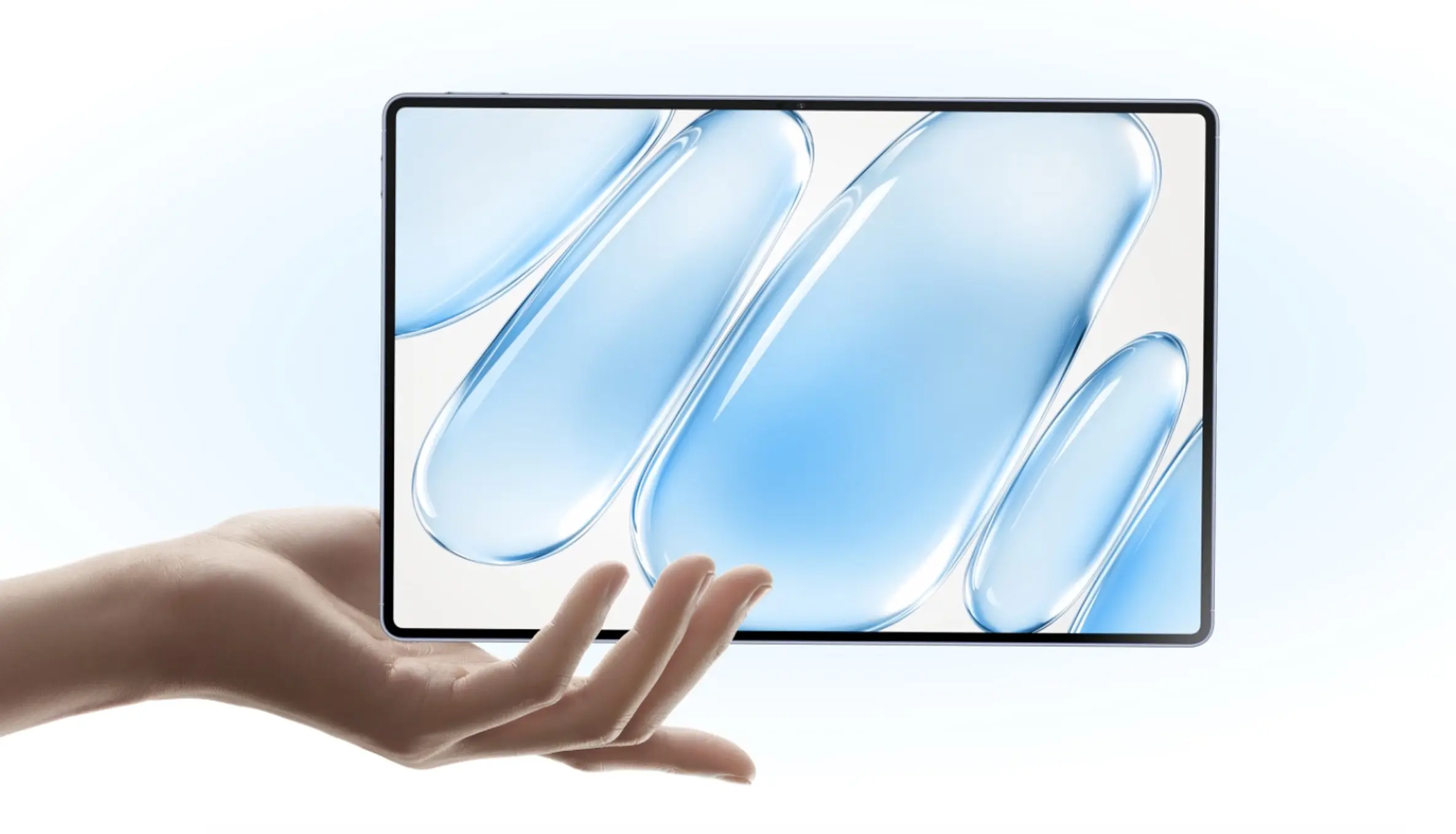
This new generation drops the 12.2-inch format in favor of a 12-inch display. The difference may seem minimal, but it likely contributes to the overall effort to reduce weight and bulk. Huawei seems to have prioritized making the tablet easier to carry over continuing the race for larger screens.
This is a fairly logical choice.
On a productivity-oriented tablet, a 12-inch display remains large enough to display two applications side by side, annotate documents, or work with a keyboard, while still being more portable than a 13 or 14-inch model.
PaperMatte Remains Central to the Experience
Huawei retains its PaperMatte technology, which has become one of the key differentiators for its tablets. The goal is to reduce reflections and give the screen a visual and tactile texture more reminiscent of paper. This technology does not function exactly like TCL’s NXTPAPER, even though both approaches aim to enhance reading and writing comfort.
In Huawei’s case, the display is still based on flexible OLED technology, allowing for a high contrast ratio, deep blacks, and an anti-reflective treatment. This combination is intriguing because traditional matte screens can sometimes sacrifice part of their sharpness or contrast.
A 3K OLED Display with Up to 1,600 Nits
The 12-inch screen boasts a 3K resolution and a maximum brightness of 1,600 nits. This feature should enhance readability in bright environments, complementing the PaperMatte treatment. The combination of high brightness and an anti-reflective surface can be especially beneficial in well-lit offices or near windows.
For users who spend significant time reading, writing, or drawing, the display remains one of the main selling points of the MatePad Pro. Huawei continues to build its tablet identity around visual experience rather than just raw power.
The Stylus Gains Air Gestures
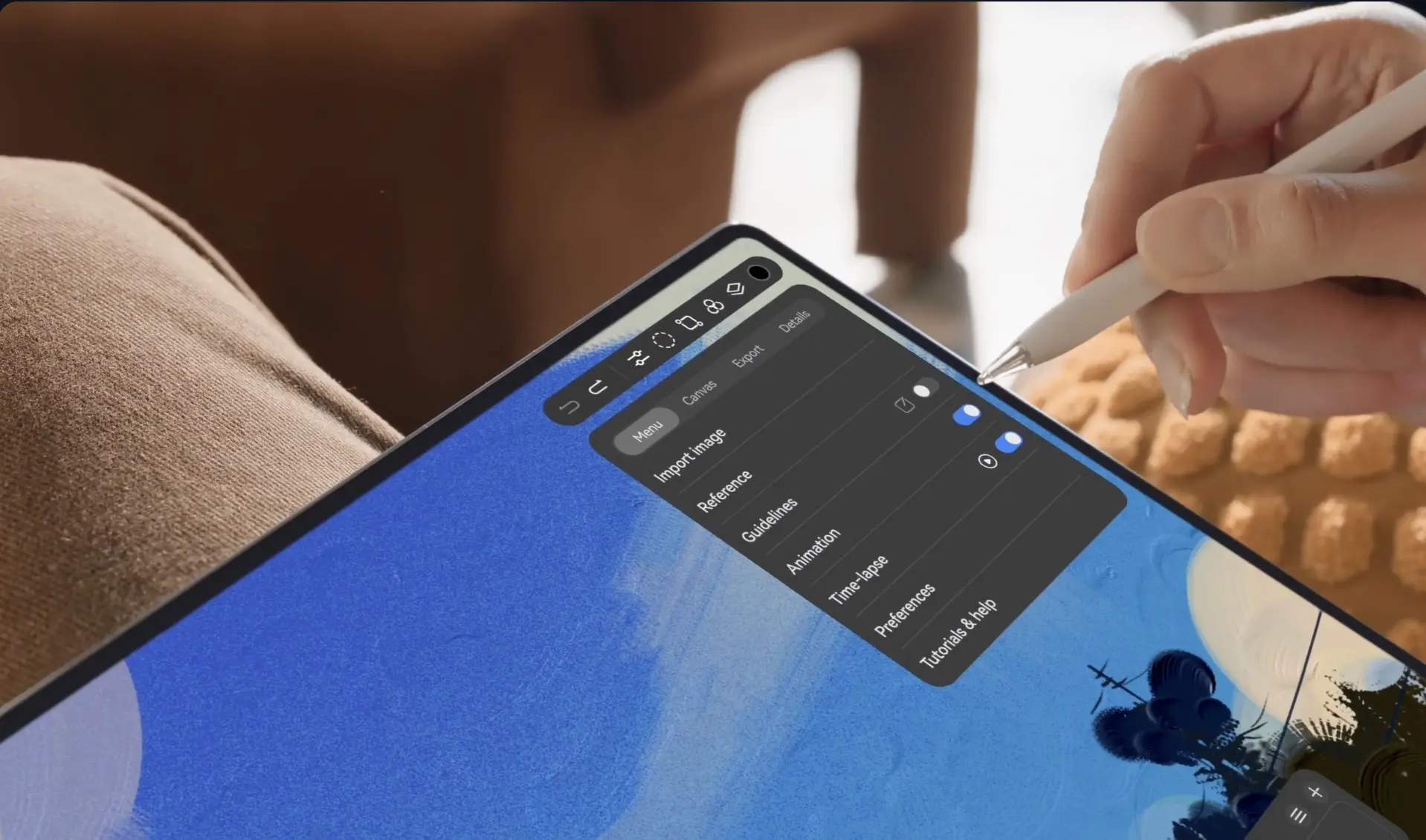
The MatePad Pro 12 also incorporates new stylus-related features. Huawei announces air gestures designed to allow certain interactions without directly touching the screen. The goal is to facilitate creative and productive uses, although the true utility will depend on the number of compatible applications and the system’s precision.
This type of feature can be useful for changing tools, navigating a presentation, or controlling certain commands while the other hand is occupied. Huawei aims to reinforce the tablet as a creative and note-taking device.
AI Enters Writing and Transcription
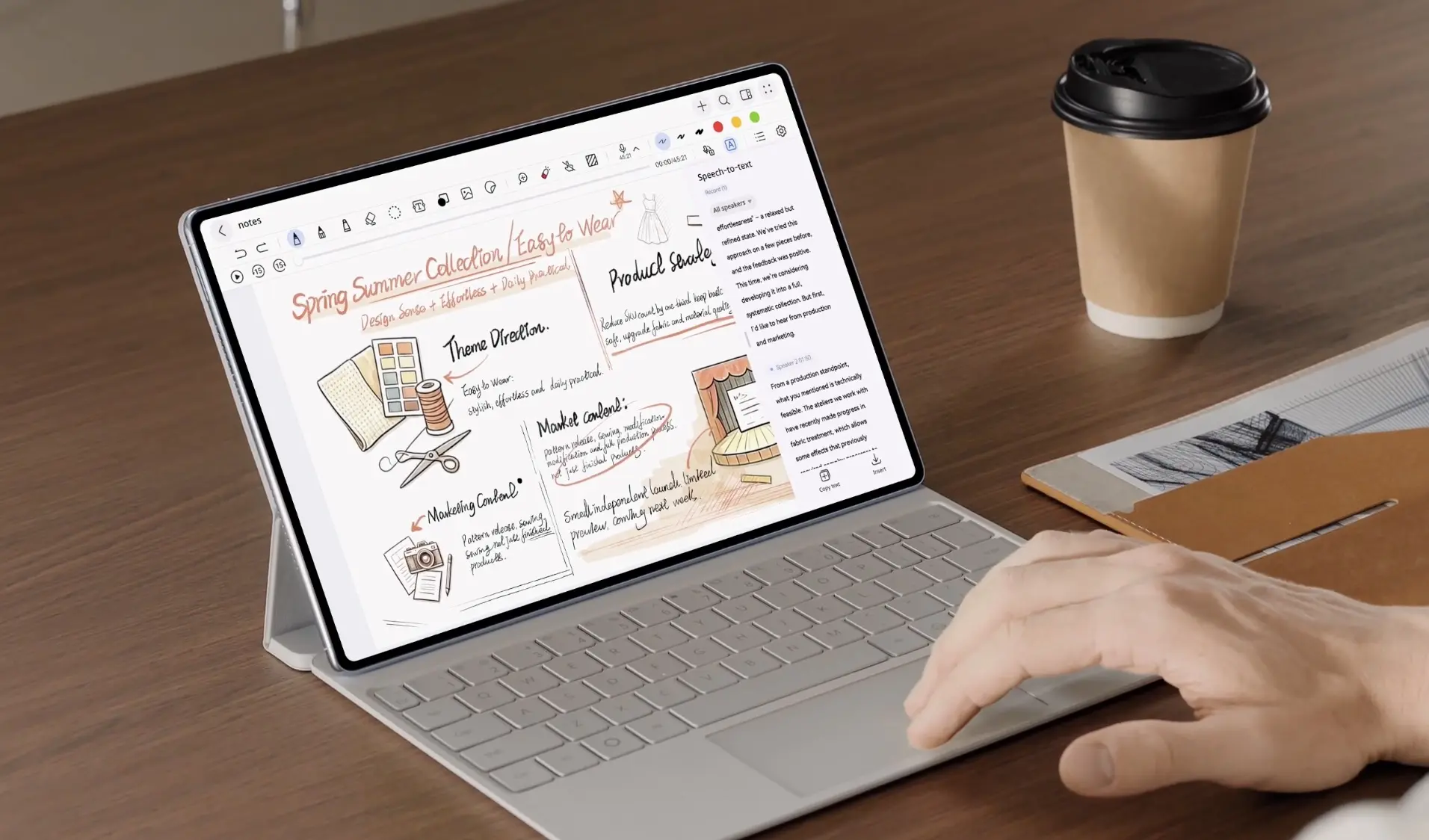
The new MatePad Pro includes several AI-powered tools. Among these, Huawei highlights a speech-to-text transcription feature and a handwriting improvement system. The first can ease note taking during a class or meeting, while the second aims to make handwritten annotations neater and more legible.
These features demonstrate Huawei’s intent to integrate AI into everyday use rather than limiting it to a conversational assistant. On a tablet, this approach is likely one of the most relevant.
A Different Battery Depending on the Market
Huawei adopts an unusual approach to the battery. Models intended for the European Union have a capacity of 9,760 mAh, while versions sold in other markets feature a 10,400 mAh battery. The exact rationale for this difference is not clarified in the available information.
In both cases, the tablet supports fast charging of 66 W. Huawei also includes a 40 W reverse charging feature, which theoretically allows the tablet to act as a power source for another compatible device.
This power is quite high for reverse charging.
Up to 12 GB of RAM and 512 GB of Storage
The MatePad Pro 12 will be offered with 8 or 12 GB of RAM and 256 or 512 GB of storage. These configurations align with a premium positioning. The 8 GB version should suffice for standard use, but users planning to work with multiple applications open or keep the tablet for several years may want to opt for 12 GB.
The maximum storage of 512 GB can also be particularly useful for creators handling large files.
Huawei has not detailed the entire processor platform here, but the coherence between hardware, software, and battery life will remain crucial for evaluating the tablet in real-world conditions.
Four Speakers and Four Microphones
The multimedia aspect features four speakers and four microphones. This configuration should enhance the tablet’s appeal for video calls, meetings, and content consumption. A 12-inch display is naturally suited for movies and series, but sound quality plays a vital role in the overall experience.
Huawei has shown in previous generations that it pays great attention to the audio quality of its tablets. It remains to be seen if this new version maintains the same level of quality despite the reduced thickness.
A 50-Megapixel Rear Camera
The tablet also features a 50-megapixel main camera. It can record videos in 1080p. On the front, Huawei uses a 12-megapixel sensor, more relevant for video conferencing and calls. Photography, of course, remains a secondary function on a tablet of this size.
The rear sensor will primarily be useful for scanning documents, quickly taking pictures, or using certain augmented reality functions.
Huawei Continues to Focus on Productivity

The positioning of the MatePad Pro 12 is quite clear. Huawei is not simply trying to sell a large screen for watching videos. The company wants to position its tablet as a work tool, with a stylus, transcription, enhanced handwriting, and an anti-reflective screen. This strategy aligns with the evolution of the market.
Premium tablets must now justify their price with more than just multimedia consumption, especially against increasingly lightweight ultraportables.
The Main Challenge Remains Software
As always with Huawei, hardware is probably not the biggest issue. The most significant question concerns the software ecosystem. For European users, the absence of Google services in their usual form may pose a considerable barrier, especially in a professional or educational environment heavily reliant on Google Drive, Gmail, or certain Android applications.
Huawei has developed its solutions and significantly enriched its software environment, but compatibility remains a central criterion at this price level. The quality of the hardware does not always compensate for an ecosystem transition.
A Premium Pricing Strategy
The MatePad Pro 12 will be priced at 799 euros for its base configuration. The version featuring 12 GB of RAM will climb to 899 euros. At this level, Huawei directly competes with premium tablets from Apple, Samsung, and other Android manufacturers.
This price thus demands a high level of expectation.
The PaperMatte display, the weight of 454 grams, and the thickness of 4.7 mm are all genuine selling points, but they need to be accompanied by a sufficiently advanced software experience to convince beyond users already familiar with the Huawei ecosystem.
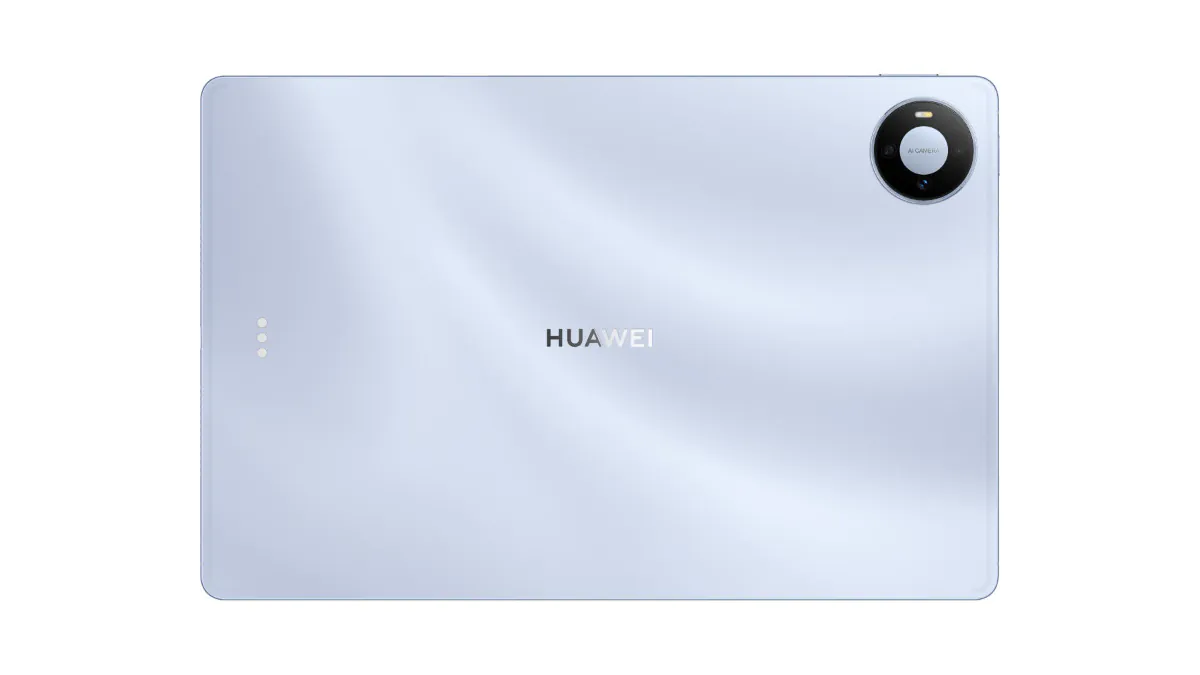
Huawei will offer the MatePad Pro 12 in Blue and Space Gray. The color palette remains relatively classic. The blue provides a more distinctive option, while the gray targets professional use. The very thin design and reduced bezels should visually highlight the tablet. Huawei’s aim here is not to multiply colors but to enhance the impression of lightness and minimalism.
Huawei Refines Rather Than Reinvents
Ultimately, this MatePad Pro 12 feels like a very controlled evolution. The manufacturer does not radically change the philosophy of its tablet but precisely improves the factors that matter in a mobile device: weight, thickness, readability, and productivity tools. The reduction to 454 grams is likely more significant in practice than a spectacular power increase. The PaperMatte display remains a distinctive selling point in a market where most premium tablets still use very glossy surfaces.
Huawei appears to pursue a clear strategy: to make the MatePad Pro a tablet designed as much for reading and writing as for consuming content. If the software and accessories keep pace, this 2026 version could become one of the most original alternatives to premium iPad Pro and Galaxy Tab models.



