

Samsung is reportedly planning five foldable smartphones for 2027 to dominate the market before Apple
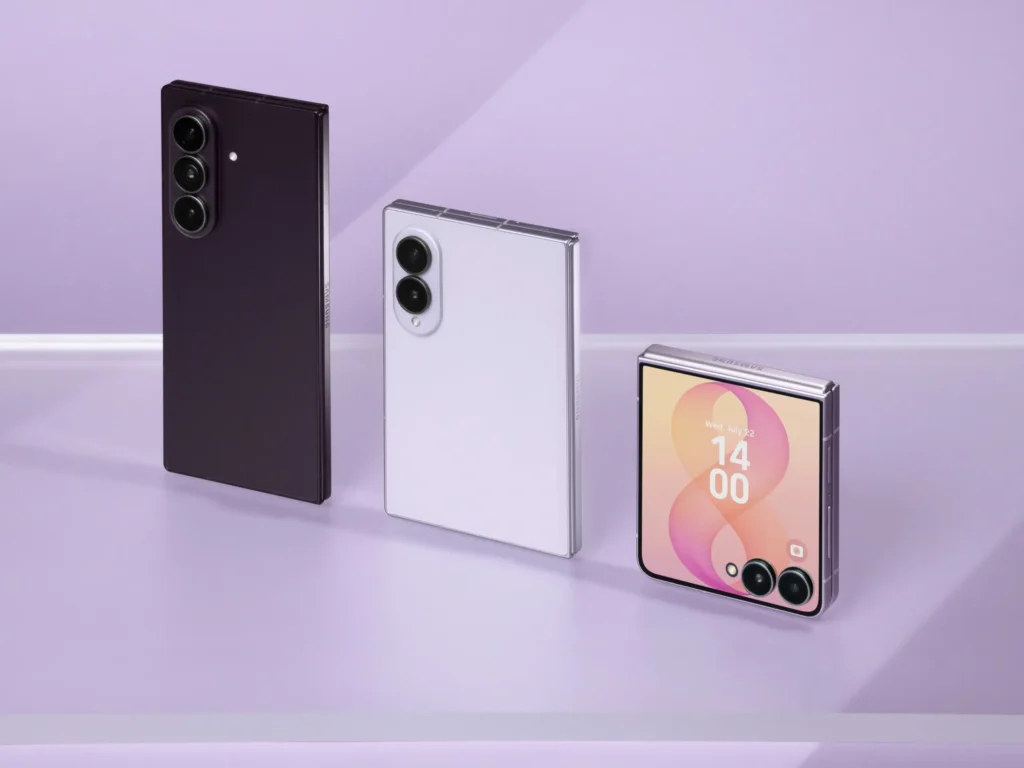
Samsung could make 2027 a year of massive diversification in its foldable smartphone lineup. Recent leaks suggest up to five Galaxy Z models across a variety of form factors including traditional Fold, Flip, and TriFold designs.
This aggressive strategy comes on the heels of Samsung’s recent expansion with the Galaxy Z Fold 8, Fold 8 Ultra, and Flip 8 — especially with the first foldable iPhone on the horizon.
Five Foldable Phones May Launch in 2027
Samsung appears to be aiming to establish its foldable smartphone range as a true product family. According to reports from ETNews and shared by Ice Universe, the South Korean manufacturer is working on five distinct models for its 2027 lineup.
This lineup could potentially include a Galaxy Z Fold 9, a second large-format model, a Galaxy Z Fold 9 Ultra, a Galaxy Z Flip 9, and a second-generation Galaxy Z TriFold. It’s worth noting that Samsung has not yet officially confirmed any of these devices.
The 2027 lineup is likely to undergo significant changes before release, as some of these projects may relate to prototypes or various configurations being tested simultaneously.
However, the general direction seems plausible: Samsung is already exploring multiple formats in 2026.
Samsung Now Has Three Major Families of Foldable Phones
The landscape has changed significantly this year. Samsung now offers the Galaxy Z Fold 8, Galaxy Z Fold 8 Ultra, and Galaxy Z Flip 8, alongside the previously launched Galaxy Z TriFold.
The Fold 8 represents a significant format shift. Samsung promotes it with screen proportions designed to resemble a traditional smartphone when closed, while still providing a large display when unfolded. The Fold 8 Ultra takes a different approach, focusing on premium features and productivity, equipped with an 8-inch interior display and a 200-megapixel camera system. The TriFold takes this concept even further, featuring a 10-inch display that can fold twice.
Thus, Samsung already possesses the building blocks to multiply its variants.
The Galaxy Z Fold 9 is Expected to Replace the Fold 8
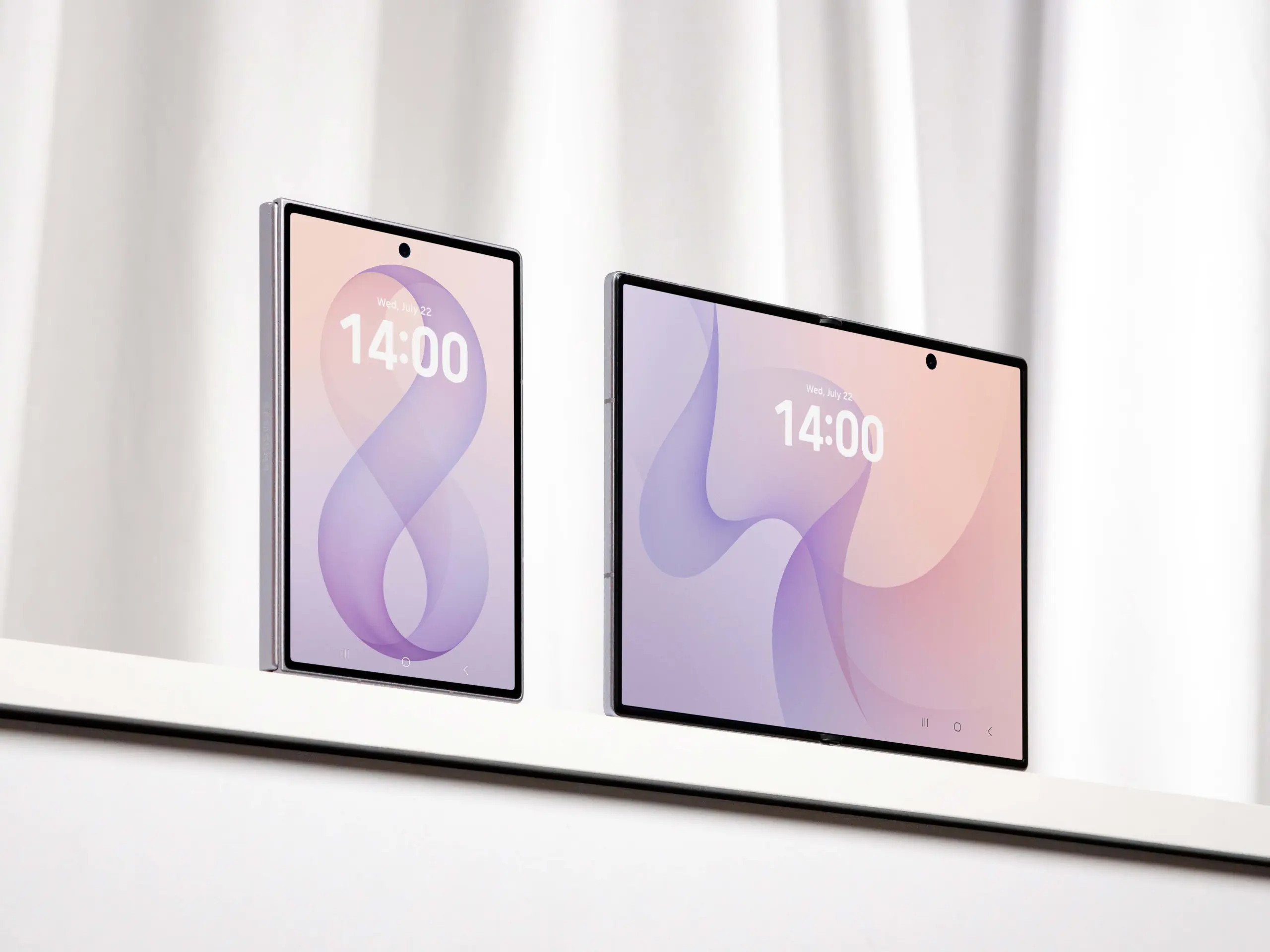
The first model mentioned is the most straightforward. The Galaxy Z Fold 9 will logically succeed the Fold 8, retaining its new wider philosophy. This change in proportions appears to have been a critical improvement for the current generation.
For several years, Galaxy Fold devices featured a relatively narrow exterior display, which received criticism for its ergonomics during typing or certain applications. Samsung has gradually addressed this issue, finally providing a more natural format.
If the commercial reception of the Fold 8 is as strong as initial reports suggest, Samsung would have little reason to revert to previous designs.
A Second Large Format Fold May Surface
This is where the leaks become particularly intriguing. Samsung is considering a second foldable smartphone with a large format, but positioned differently from the Fold 9. Two possibilities exist.
The company might create a more premium version with superior cameras, more memory, or a better display. Alternatively, they could take the opposite route and offer a simpler variant to lower the entry price. The latter scenario makes a lot of sense, as pricing remains one of the main obstacles to mass adoption of foldable smartphones.
A reworked Fold 8 architecture with some technical compromises could allow Samsung to reach a significantly broader customer base.
The term “Fold 9 Ultra” remains particularly ambiguous
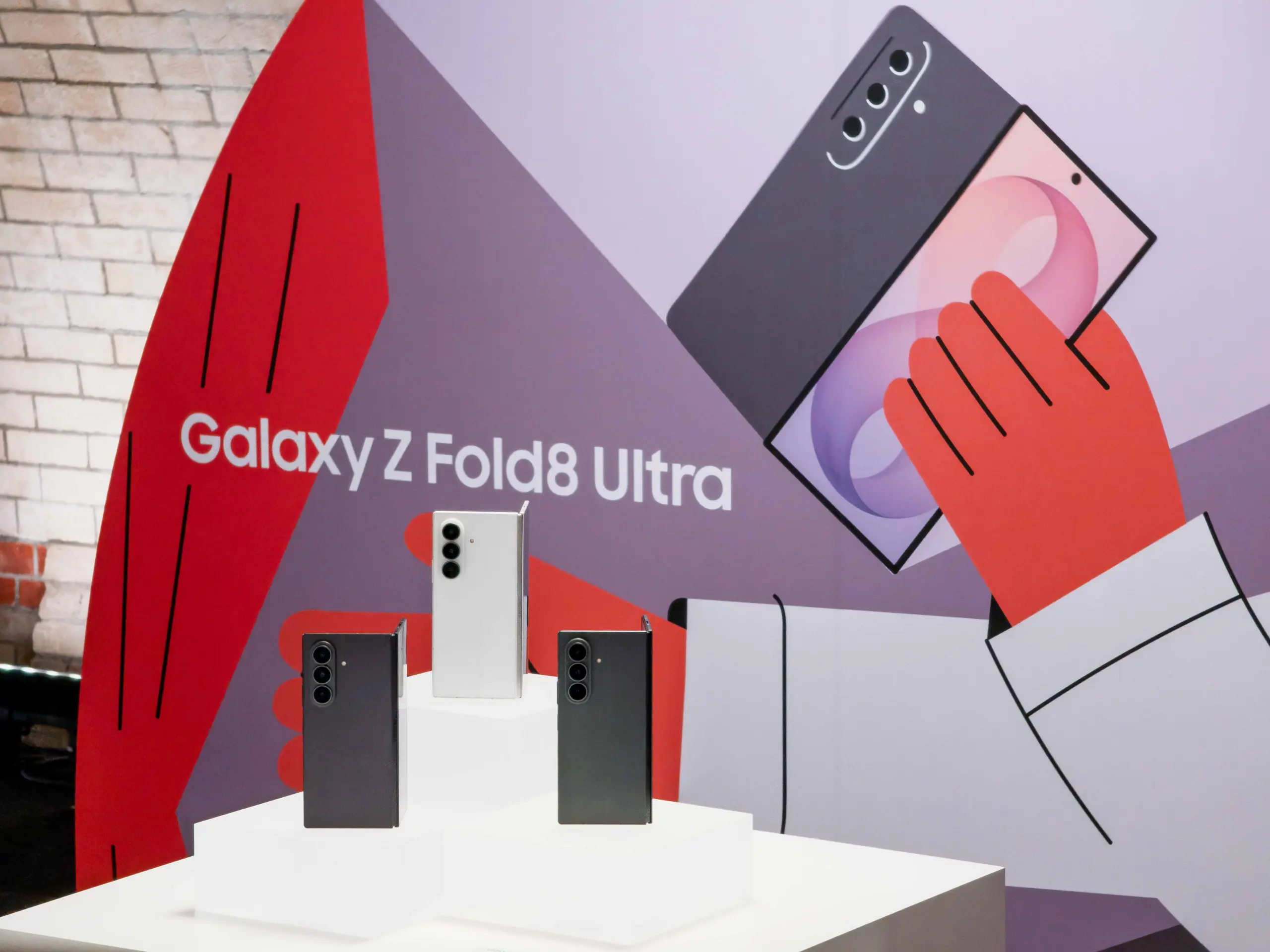
The leak also refers to a Galaxy Z Fold 9 Ultra. Such a model would logically succeed the Galaxy Z Fold 8 Ultra launched this year. Samsung has already attached a clear meaning to the Ultra suffix in its foldable catalog: enhanced performance, a more advanced camera system, and an experience aimed at users seeking the very best.
The official Fold 8 Ultra includes an 8-inch interior display, a 200-megapixel main camera, and a chassis of just 4.1 mm when opened.
The 2027 generation could thus continue this trend. However, the coexistence of a Fold 9, a second large Fold, and a Fold 9 Ultra would create a particularly dense range, and Samsung must ensure each has a distinct value proposition.
The Flip 9 Will Not Be Abandoned After All
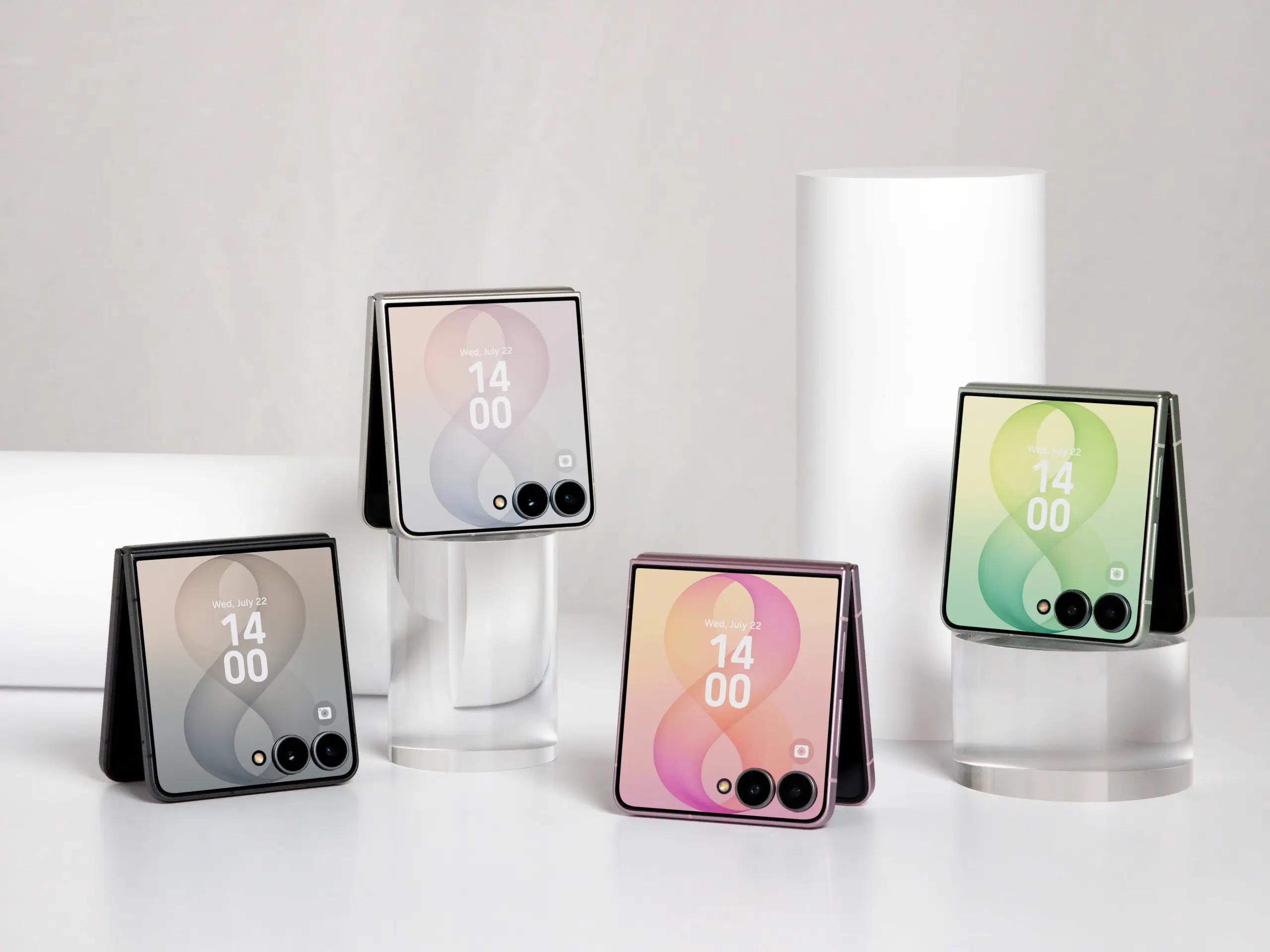
The leak also brings some interesting information regarding the clamshell format. Previous rumors suggested that Samsung might scale back its investment in the Galaxy Z Flip. However, the new report explicitly mentions a Galaxy Z Flip 9 for 2027. This would be a logical decision.
The Flip targets a different customer base than the Fold, as it does not attempt to transform a smartphone into a mini-tablet. Its advantages lie instead in its compactness, aesthetics, and functionalities around the external display. Completely abandoning this category would leave significant space for Motorola, Honor, and other manufacturers in the clamshell foldable segment.
Therefore, it would make more sense for Samsung to continue improving it.
The Galaxy Z TriFold Could Already Have a Successor
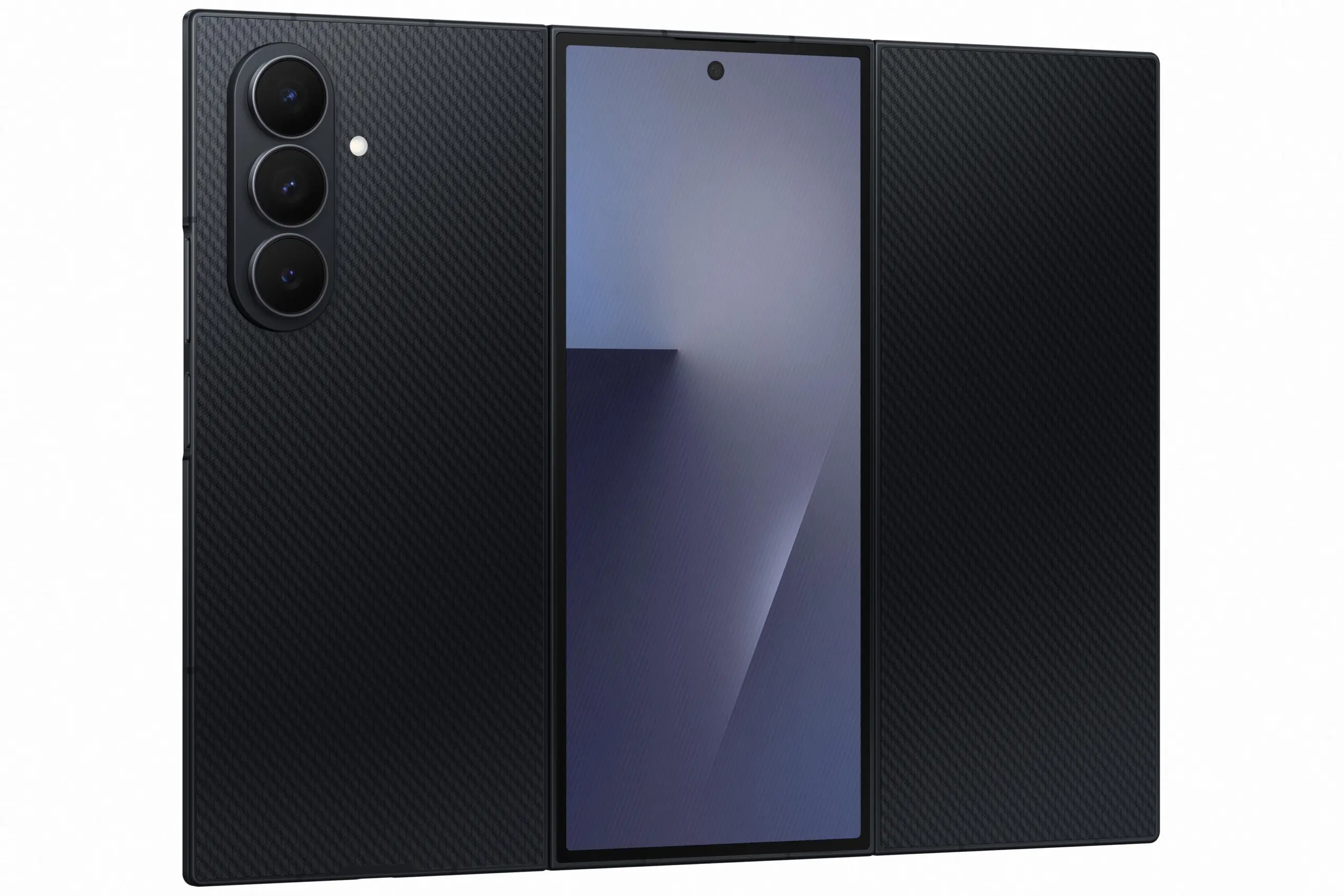
The fifth device would be a second generation of the Galaxy Z TriFold. Samsung is already selling its first dual-fold smartphone. When opened, this device reaches 10 inches, resembling a mini-tablet more than a traditional phone. It features two hinges and can be folded to return to a more smartphone-like size. The concept remains high-end and somewhat experimental.
However, a second generation could allow Samsung to address some of the most apparent issues: thickness, weight, durability, and price. Much like the early Galaxy Fold models, the real value of the TriFold may only emerge after several iterations.
Three Different Formats Instead of Just One
This is likely the core of the strategy. Samsung no longer seeks to determine the best foldable format but has instead embraced the idea that several exist. The Flip emphasizes compactness, the large Fold aims for a balance between traditional smartphones and tablets, the Ultra version may push productivity and photography further, while the TriFold transforms the phone almost into a 10-inch work screen.
This segmentation closely resembles what Samsung already applies to its traditional smartphones. The difference now is that it is occurring in a segment that is still relatively young.
The Success of the Large Format May Have Shifted Samsung’s Strategy
According to reported information about the 2026 generation, the reception of the Galaxy Z Fold 8 has been particularly strong. Samsung is believed to have ramped up production after a high volume of pre-orders for its new foldables. The large model has reportedly represented a significant portion of demand in some markets, such as South Korea.
These figures should be interpreted cautiously until Samsung provides a complete global sales breakdown. However, they might explain why the company is already considering two models with these proportions for 2027. After years of experimentation, Samsung seems to have discovered a Fold format that resonates more with the general public.
Apple Could Disrupt the Category As Early As This Year
Samsung’s diversification is happening in a particular context. Apple is widely expected to enter the foldable smartphone market. Many rumors suggest that it will unveil its first model in the fall of 2026, potentially alongside the iPhone 18 Pro. However, Apple has yet to announce any foldable iPhone or schedule an event for September 9, 2026. Therefore, the September 9 date mentioned in some leaks should not be considered official.
Nonetheless, the industry is preparing. Apple’s entrance into this segment could naturally increase its visibility to a much broader audience.
Samsung Still Has a Considerable Advantage
If Apple does indeed launch its first foldable iPhone this year, Samsung will have a difficult-to-replicate advantage: experience. The South Korean manufacturer has been selling foldable smartphones for several generations, having worked on hinges, screen folds, water resistance, multitasking interfaces, and software management of the various formats.
By 2027, Apple may still be perfecting its first generation, while Samsung simultaneously markets several mature families. This is likely the real reason behind the consideration of five models.
Samsung no longer just wants to maintain its technical edge; it aims to occupy all segments before its largest competitor has the chance to settle in.
Price Will Remain a Major Barrier
Even with five models, Samsung must address the economic issues. Flexible screens, hinges, and complex mechanical designs remain costly. The Fold 8 Ultra and the TriFold illustrate how high prices can rise when Samsung pushes technology to its limits. Expanding the market will likely require more than just more premium models.
The most interesting of the five devices may ultimately be the one we know the least about today: the second large Fold. If it’s a more affordable model, it could play a far more significant role in the adoption of the category than a new Ultra model.
2027 Could Be the Year the Foldable Becomes a Fully Realized Range
Samsung has long utilized the Galaxy Z series for experimentation. Each new generation has served to improve hinges, reduce thickness, and enhance screen durability. The 2027 generation may mark a new phase, shifting from merely improving technology to choosing which foldable suits which user — a Flip for compactness, a large Fold for daily use, a more accessible variant for volume sales, an Ultra for maximum performance, and a TriFold for those wishing to push the concept to tablet-like dimensions.
Five models may seem excessive today.
However, this proliferation could also be the clearest sign that Samsung now views the foldable smartphone not merely as an experimental niche but as a category mature enough to support a genuine range.
If Apple indeed enters the arena in the coming months, Samsung will have every reason to secure its territory before the competitive landscape shifts dramatically.



