French Cyber Campuses Unite to Forge a Collective Cybersecurity Roadmap
For the first time since their inception, the eight Cyber Campuses in France have come together to adopt a unified strategic roadmap. This initiative was unveiled at the InCyber Forum 2026. Rather than perpetuating scattered regional efforts, the network aims to consolidate resources to better serve small and medium-sized enterprises (SMEs), microenterprises, and local communities that remain vulnerable to cyber threats. This move also aligns with the implementation of the NIS 2 directive, a regulatory framework that thousands of intermediate entities have yet to comply with.
Many companies and organizations currently lack the resources and expertise to adopt a proactive cybersecurity strategy. Access to necessary skills and tools varies significantly across regions, leaving smaller entities, including SMEs, microenterprises, and local authorities, struggling to identify appropriate contacts, assess their risk levels, and secure funding for systematic improvements. The Cyber Campuses network seeks to address this issue by functioning as a “last-mile” accelerator. The collaboration among the eight territorial campuses—from Bretagne Cyber Alliance to Campus Région Sud, and including Hub Grand Est and Cyber’Occ—forms the foundation of this ambitious plan.
Two key projects comprise the new roadmap, with a prefiguration phase starting in 2026 and a nationwide rollout expected from 2027. The first project focuses on deploying a service platform aimed at the least equipped entities, featuring a systematic mapping of stakeholders affected by NIS 2, region by region. A case in point is Brittany, where 2,048 establishments have been identified across 18 economic sectors, with 11 classified as highly critical—in six sectors alone, 90% of entities require assistance. This territorial granularity, made public by Jérôme Tré-Hardy, a regional delegate for digital affairs and president of Bretagne Cyber Alliance, provides a tangible measure of the groundwork that must be laid before initiating targeted awareness and support campaigns.
Forging European Champions in Cybersecurity
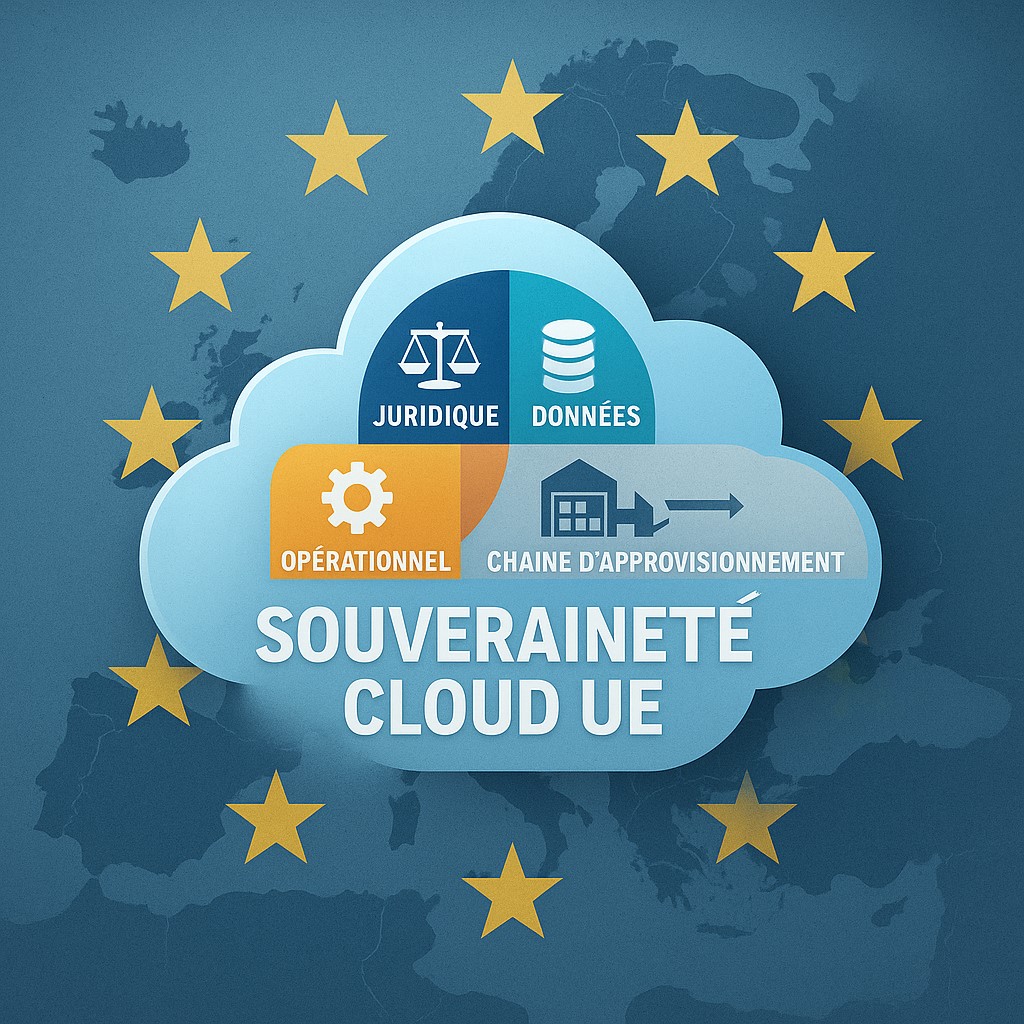
The second flagship project adopts a long-term industrial logic, aiming to create a powerhouse for innovative companies with national significance. The goal is not to compete with existing support frameworks but to coordinate a coherent entrepreneurial journey across the entire growth cycle of cybersecurity players, from seed funding to consolidation. The clear objective is to enable the emergence of French and European champions capable of meeting sovereign market needs without structural dependence on non-European players.
This initiative directly stems from the European digital sovereignty agenda, as emphasized in the National Strategic Review and the new national cybersecurity strategy introduced earlier this year. Anne Le Hénanff, the Minister Delegate for Artificial Intelligence and Digital Affairs, praised this approach at the InCyber Forum, highlighting the importance of a cohesive strategy to prevent the fragmentation of efforts. Vincent Strubel, Director General of ANSSI, stressed the need for a unified response to effectively implement NIS 2: “It is only by pooling our actions that we can elevate the cybersecurity level across all territories.”
NIS 2: A Catalyst for Scaled Change
The NIS 2 directive, currently being transposed into French law, serves as the operational backbone of this collective strategy. It imposes security and incident notification obligations on thousands of intermediate entities, including essential service operators, local administrations, healthcare actors, and industrial organizations. Many of these entities lack the cybersecurity maturity required to comply. The Cyber Campuses position their network as the preferred vehicle for increasing resilience, leveraging their local presence and ability to unite larger groups, SMEs, and startups within an ecosystem framework.
Addressing this mass challenge commits France to two simultaneous fronts: internally, to help the most vulnerable territories catch up before initial sanctions are enforced; and externally, to ensure that French cybersecurity firms establish themselves as benchmarks in Europe against American and Asian players. The Cyber Campuses network is now strategically positioned to tackle both fronts effectively.