Thales Enhances Sovereign Security Ecosystem with Citadel Team Secure Communication Solution
Thales has unveiled Citadel Team, a secure VoIP (Voice over Internet Protocol) communication solution designed specifically for sensitive environments, developed in partnership with French publisher Belledonne Communications. This initiative underscores Thales’ commitment to strengthening the sovereign security ecosystem.
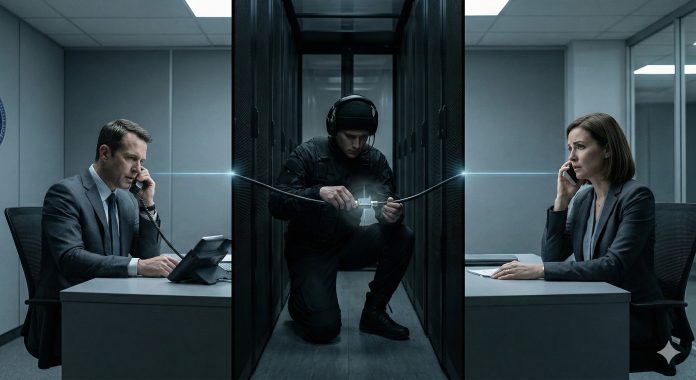
The protection of voice communications remains a critical vulnerability for organizations in defense, government, and ministries. The growing reliance on mobile communications, the widespread adoption of VoIP, and increased exposure to interception or application compromise necessitate solutions that ensure both confidentiality and complete control over the technological chain.
To address these challenges, Thales created Citadel Team, a secure voice communication application available on both iOS and Android platforms. For over a decade, the solution has harnessed technologies from Belledonne Communications, the French developer behind Linphone, which specializes in real-time IP communication. This partnership aligns with a deliberate strategy focused on technological sovereignty, grounded in open standards and well-audited software components.
Continuous Hardening Strategy
Technically, Citadel Team is built on a standardized VoIP architecture. Signaling is conducted using the SIP protocol, while media streams are transmitted via RTP, both of which are IETF-standardized protocols widely tested in professional environments. End-to-end encryption of voice communications utilizes ZRTP, a protocol designed to negotiate session keys directly between endpoints without relying on a central infrastructure for key exchange. This choice minimizes attack surfaces while ensuring the integrity and confidentiality of communications.
Citadel Team is not merely an assemblage of existing components. The mobile application integrates directly with the Liblinphone libraries provided by Belledonne Communications for signaling, audio stream management, and security mechanisms. This SDK-based integration reflects extensive engineering tailored to meet the unique requirements of Thales’ clients. Currently, four developers are dedicated to the integration and maintenance on both supported mobile platforms, emphasizing a commitment to rigorous development and hardening processes.
Architecturally, the design demonstrates a clear separation between client and server layers. Mobile devices handle end-to-end encryption and session management, while the server infrastructure manages signaling, directories, and communication orchestration. Server components from the Belledonne ecosystem, particularly around FlexiSIP, likely form the basis of this layer, although Thales retains complete control over deployment architecture and operational integration.
SecNumCloud Compliant Infrastructure
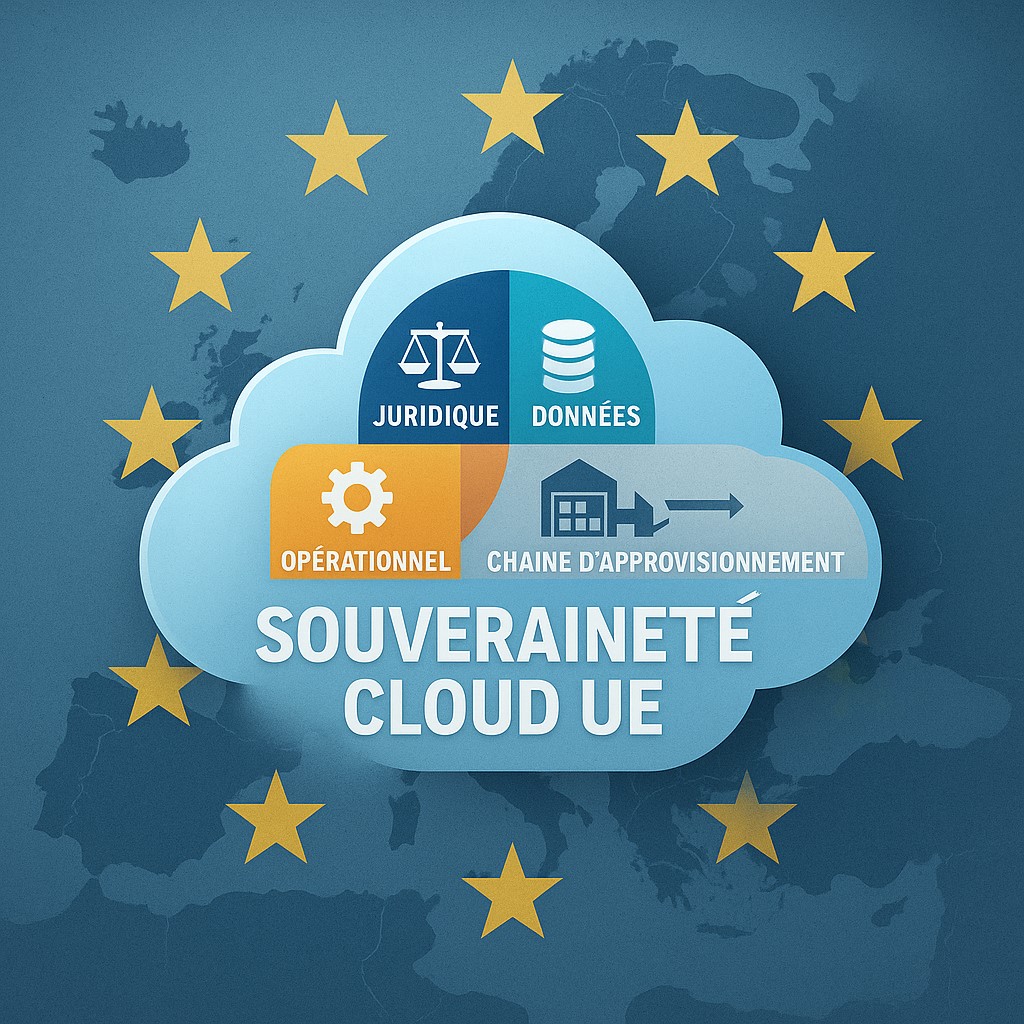
This infrastructure is hosted in France and declared compatible with SecNumCloud requirements, which entails strong isolation of environments, rigorous access management, and traceability aligned with the needs of public and quasi-public organizations. Thales’ control over hosting and operations allows for precise adaptation of deployments to client needs, whether for confined environments or large-scale implementations.
The dual-licensing model serves as another foundational element of Citadel Team. Open-source components remain auditable and compliant with standards, while Thales-developed proprietary application layers remain closed. This strategy enables the addition of undocumented complementary mechanisms, such as identity management policies, application integrity checks, or centralized administration functions without revealing these sensitive elements to the public.
Discretion in Governance and Security Layers
Deliberately, several technical aspects are not publicly detailed. The precise methods for managing identities and keys, as well as monitoring, logging, and operational resilience mechanisms, lack documentation. This absence of information is intentional, reflecting a positioning focused on critical use cases, where transparency on standards coexists with operational discretion on governance and security layers.
As multilateral mechanisms steadily weaken and major powers retreat into security posturing, the control of critical communications has regained prominence as a sovereign priority for states, administrations, and strategic operators. Citadel Team emerges as a secure voice communication solution built on hardened foundations, integrated within a sovereign architecture managed by Thales. Its reliance on open standards, end-to-end encryption, and controlled open-source components make it a fitting tool for today’s public organization demands. More broadly, the solution exemplifies a market trend whereby sovereignty over communications extends beyond mere encryption, emphasizing the capacity to oversee the entire technical chain, from devices to hosting infrastructure.