

Citalid Launches Innovative Cyber Risk Management Module for Third Parties
Citalid has recently unveiled an advanced module focused on third-party cyber risk management, combining quantitative modeling, threat intelligence, and generative AI. This new tool aims to meet the rising demand for better control of third-party risks following the implementation of regulations like NIS2 and DORA. By providing both operational and financial insights into digital supply chain vulnerabilities, Citalid emphasizes a data-driven approach designed to surpass the limitations of traditional self-assessments.
In response to increasing regulatory pressures, European organizations are required to have a markedly more precise understanding of their vendors’ risk exposure. Risk and security teams must navigate complex and heterogeneous value chains, where each link is influenced by disparate security policies and varying maturity levels. This complexity complicates the anticipation of disruption scenarios, particularly as audits often rely on questionnaires that obscure the differences between perception and operational reality.
The launch of Citalid’s Third Party Risk Management module comes at a time when procurement, security, and business continuity leaders are in search of more reliable measurement tools that can connect cyber exposure to measurable financial impacts.
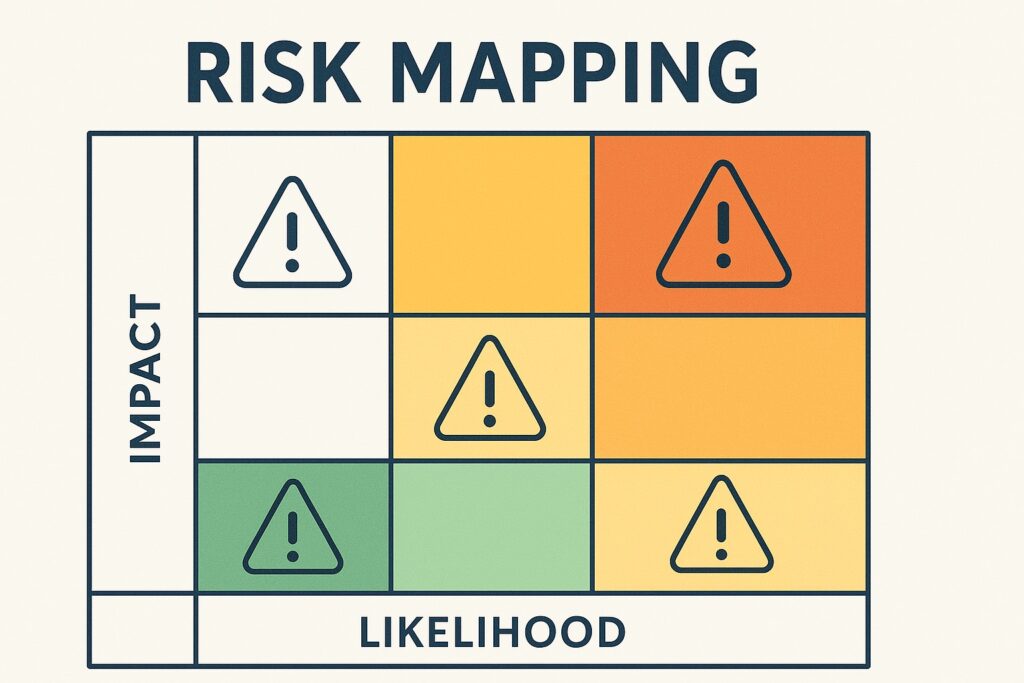
Citalid’s platform leverages its internal threat intelligence engines, expertise in quantitative modeling, and generative AI capabilities to aggregate vast amounts of indicators and transform them into actionable signals. The new tool features a dynamic mapping of the supplier chain and categorizes their risk profiles, facilitating more refined prioritization. According to Maxime Cartan, co-founder and CEO, the integration of a holistic view with detailed diagnostics addresses a persistent gap in traditional TPRM solutions. The tool utilizes enriched and contextualized data to significantly reduce reliance on often incomplete or inaccurate self-reports. For organizations facing stringent compliance requirements, linking observed threats, technical exposure, and potential financial losses is essential for guiding remediation efforts and justifying investments.
Automated Analysis to Bridge Supplier Disclosure Gaps
The module introduces automated document analysis, which streamlines the processing of information provided by third parties. Here, generative AI serves as an extraction and normalization engine, mitigating the delays typically associated with reviewing security policies and certifications. Olivier Hamon, product technical director, notes that this automation supports internal control teams without replacing their decision-making responsibilities. The goal is to enhance the evaluation cycle while producing more consistent and reliable signals for risk committees and contractual discussions with vendors.
Initial deployments highlight a significant disconnect between self-assessment and actual exposure. A pilot phase conducted within a European banking group since summer 2025 revealed that 61% of evaluated suppliers exhibited a higher risk than they reported. Furthermore, 71% demonstrated security maturity below the average for their industry, and 60% exceeded a Value at Risk estimated at 3% of their revenue. These findings illustrate the prevalence of blind spots in digital supply chains and underscore the value of diagnostics grounded in direct observation rather than self-reported perceptions.
Evolving Expectations in Third Party Risk Management
The financial quantification of cyber risk is increasingly gaining traction among companies subjected to rigorous governance. Executive teams and insurers are now favoring methods that connect exposure, incident scenarios, and impacts on financial statements. Citalid’s positioning resonates particularly well in sectors reliant on diverse technological dependencies and facing heightened regulatory requirements. Organizations that need to demonstrate robust third-party risk management—especially under NIS2 or DORA—are seeking solutions that effectively integrate technical information, threat context, and financial metrics. This approach not only justifies preventive actions but also enhances cyber insurance contract negotiations.
This trend aligns with a broader movement in which supplier risk has become a critical indicator of operational continuity. Digital supply chains increasingly rely on a multitude of specialized, often critical yet less visible, vendors. A platform that continuously contrasts threat data with the characteristics of third parties aids businesses in forming an up-to-date view of their exposure. It also supports better resource allocation by directing efforts toward the most critical suppliers for essential operations or areas of dependency likely to trigger a domino effect in the event of an incident.
Citalid’s new TPRM offering is now available, complementing a strategy centered on the objective measurement of cyber risk. For organizations that need to adjust their controls, prepare for regulatory audits, or demonstrate supply chain robustness, this data-driven approach can serve as a prioritization and management lever, especially in sectors where remediation timelines must be justified and documented. The evolution of third-party risk management practices is likely to make these tools indispensable for securing operations while substantiating budgetary decisions.



