Thales and CEA Launch Groundbreaking Collaboration to Certify Post-Quantum Cryptography Algorithms
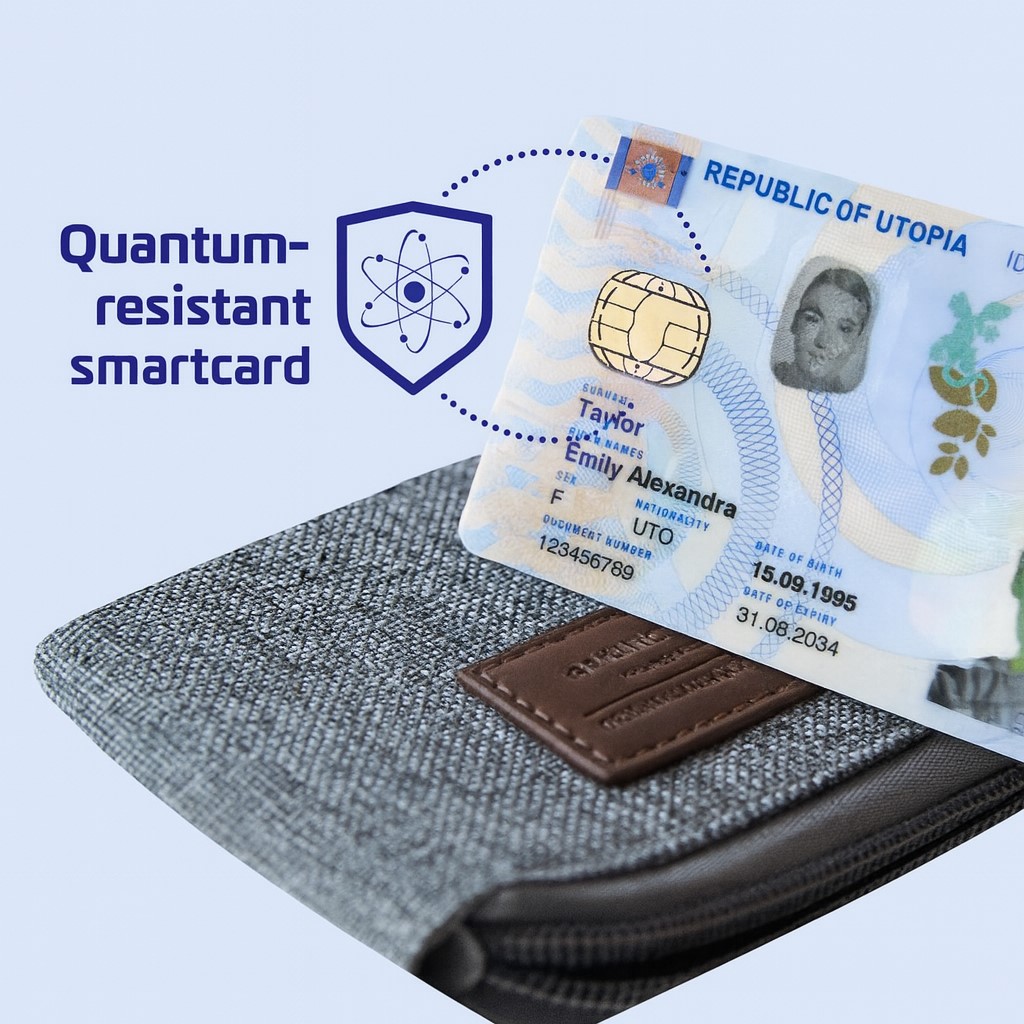
In a significant advancement for the French cybersecurity landscape, Thales and the CEA (French Atomic Energy Commission) have announced a unique partnership aimed at certifying the robustness of post-quantum cryptography (PQC) algorithms. This initiative, dubbed Project Giverny, was showcased at the European Cyber Week 2025 and positions the national ecosystem as a reference point in the secure migration of systems in the face of emerging quantum computing threats.
This collaboration marks a strategic leap for the French cybersecurity industry, with both Thales and CEA recognized by ANSSI (the French National Cybersecurity Agency) as Evaluation Centers for Information Technology Security (CESTI). As the demand for certification of post-quantum cryptographic solutions continues to rise, this partnership seeks to address the evolving challenges outlined in the EU’s EUCC certification framework. For the first time, experts from both Thales and CEA are joining forces to assess the resilience of new algorithms against the potential risks posed by quantum computing, which threatens the viability of existing cryptographic systems.
At the heart of this effort lies Project Giverny, launched in 2025, which focuses on analyzing and qualifying two post-quantum signature schemes: HAWK, aligned with the future FN-DSA standard from NIST, and FAEST, inspired by the AES structure. Cryptography specialists from both organizations have collaborated to subjected these algorithms to realistic attack scenarios, including evaluations against side-channel attacks. Preliminary results indicate a maturing French ecosystem, unveiling previously undiscovered vulnerabilities while outlining tailored countermeasure strategies for future electronic devices incorporating PQC.
Toward European Sovereignty in Post-Quantum Cybersecurity
The presentation of Project Giverny at European Cyber Week 2025 underscores France’s capability to establish itself as a leader in next-generation digital security. By proactively addressing the requirements of the EUCC certification framework, the CEA — the first national laboratory authorized for PQC — and Thales, currently undergoing accreditation, are preparing the industrial landscape for a deadline set by ANSSI. Starting in 2027, all sensitive products aiming for certification must employ post-quantum algorithms, a requirement that will extend to all solutions marketed after 2030. This institutional momentum fosters the emergence of a sovereign industry, poised to provide heightened resilience guarantees for businesses, government entities, and service providers against quantum threats.
Leaders from both entities emphasize the significance of this development. Pierre Jeanne, Vice President of Sovereign Cybersecurity at Thales, remarks, “Post-quantum cryptography represents a strategic turning point for European digital sovereignty.” Philippe Mazabraud, Director of the Global Security Program at CEA, adds that the CEA is well-equipped to “support the rise of a seamless digital transition that safeguards citizens, businesses, and institutions,” through dedicated technological research alongside industry giants.
Established Expertise Supporting Digital Resilience
The collaborative analysis of the FAEST and HAWK schemes paves the way for the certification of electronic products utilizing post-quantum cryptography, a vital prerequisite for regulated markets and critical infrastructures. The partnership between Thales and CEA’s CESTIs, both recognized for their high-level expertise, enhances France’s position in the European cybersecurity landscape and promotes cooperative standardization efforts. By demonstrating an ability to detect vulnerabilities at early stages and evaluate the effectiveness of initial countermeasures, Project Giverny elevates the confidence level within the European cybersecurity ecosystem.
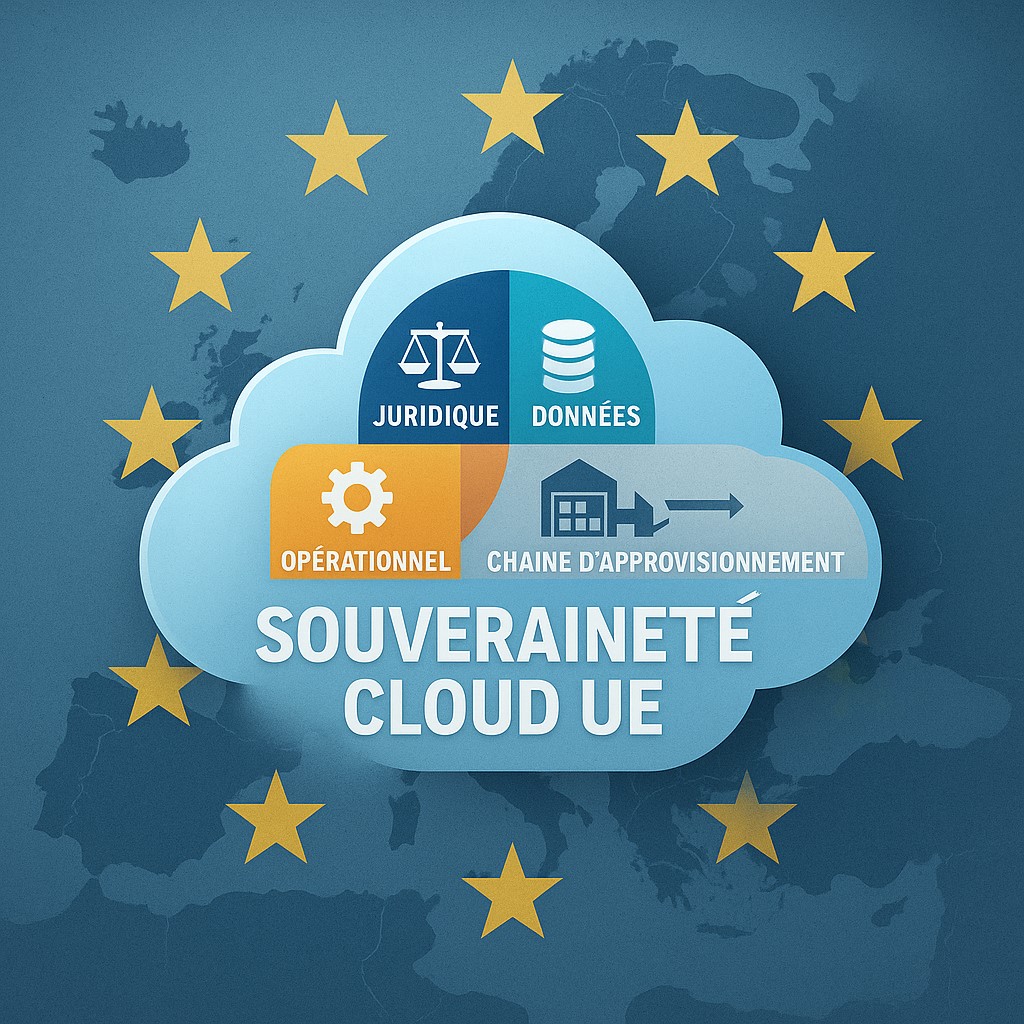
This initiative aligns with a comprehensive strategy to reduce technological dependency, as the adoption of post-quantum cryptography becomes a priority for organizations facing compliance mandates (such as NIS2, DORA, and GDPR) and for national sectors aiming to retain full control over their value chains, from algorithm design to accredited laboratory evaluation.
A Catalyst for Innovation and Competitiveness in the French Ecosystem
The joint commitment between Thales and CEA, highlighted by the presentation of initial results from Project Giverny at ECW 2025, reaffirms France’s pivotal role in creating a safer and more autonomous European digital space. The acknowledgment of the robustness of the FAEST and HAWK algorithms, alongside the identification of areas for improvement, lays the foundation for the gradual industrialization of certified PQC solutions. This momentum benefits solution providers by providing a common framework for evaluating and validating their products while also safeguarding end-users against the emerging threats posed by quantum computing.
By leveraging accredited laboratories through ANSSI and adhering to the EUCC certification framework, France is reaffirming its commitment to establishing a world-class post-quantum cybersecurity infrastructure. This approach aims to foster innovation while ensuring the sustainability of digital operations for enterprises, government bodies, and service providers in an ever-evolving environment.