FnTC Releases Compliance Guide for European Digital Identity Wallet Ahead of eIDAS 2.0 Rollout
The Federation of Trusted Third Parties in Digital Technology (FnTC) has published a comprehensive guide aimed at helping organizations prepare for the European Digital Identity Wallet (EDIW), set to be mandatory by the end of 2026 as part of the eIDAS 2.0 regulation. This document analyzes the implementing acts and technical obligations imposed on users, highlighting the significant structural delays faced by France in adopting these standards.
As the EDIW is expected to provide a unified and secure digital identity infrastructure across all 27 EU member states, the current state of preparation is concerning. At present, only 350 pilot projects are underway in Europe, and French companies lag behind, with fewer than 5% possessing sufficiently structured IT departments to integrate the EDIW. Alarmingly, just 0.5% have appointed a data protection officer. The FnTC’s guide is intended as a practical tool to help organizations anticipate and navigate these obligations amidst the stark mismatch between regulatory ambitions and technical readiness.
The guide begins by laying out the technical and regulatory foundations of the EDIW through the “Trust Triangle” model. This framework mandates a clear separation between the attribute issuer, the user, and the verifier. Each role is defined by specific implementing acts that stipulate obligations related to registration, verification, and adherence to data minimization principles.
Implementing Acts Governing Every Aspect of the Framework
Any entity that accesses attributes to provide services—the verifier—must appear on national trust lists, be registered with a designated authority, and adhere to the enrollment policies of member states (Regulation 2025/848). The guide emphasizes the complexities involved in simultaneously managing clients with and without the EDIW and underscores the need for reliable mechanisms to reconcile hybrid identities.
The document outlines approximately fifteen implementing acts introduced between 2024 and 2025, detailing the certification conditions for the EDIW (2024/2981), minimum technical standards (including CSC, ETSI TS 119 431-1, and ISO), and responses to security breaches (2025/847). The EDIW must facilitate comprehensive management of identification data, from request to deletion, while ensuring portability and logging. End-to-end encryption is suggested as the key method for ensuring data privacy.
The guide also specifies mandatory and optional data formats for integration into the EDIW (such as name, date of birth, and email address), as well as mechanisms for cross-border interoperability. For companies, this means implementing European technical protocols (2024/2982, 2024/2979) that are compatible with all EDIWs while considering national requirements regarding service delivery.
Qualifying Services at the Core of Compliance Strategy
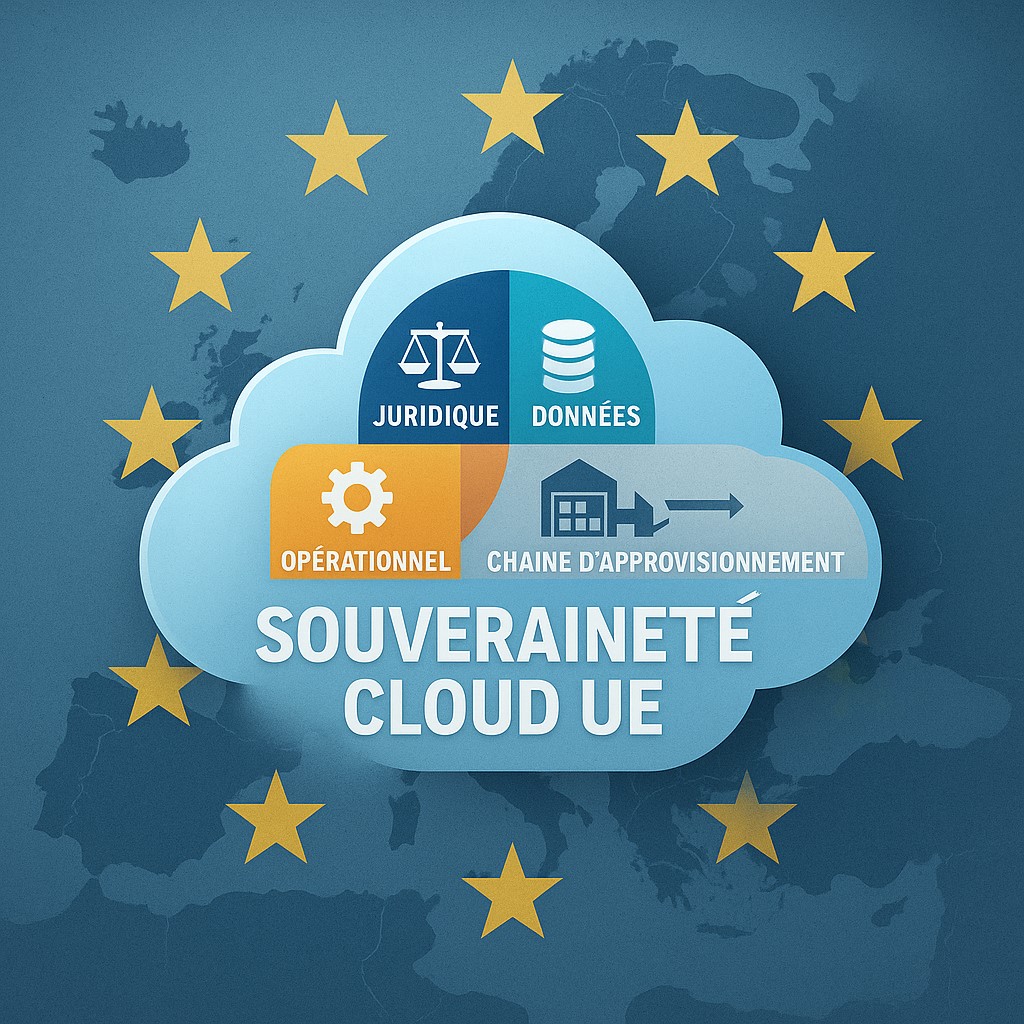
In a second section, the FnTC focuses on integrating enhanced digital trust services enabled by eIDAS 2.0, including qualified electronic signatures, seals, timestamps, and archiving solutions. The guide illustrates how these services can streamline onboarding processes, automate Know Your Customer (KYC) procedures, and bolster contractual exchanges. It details eligibility criteria, certification mechanisms, and the structuring of responsibility chains, emphasizing standardization at the European level as a sovereignty lever.
Moreover, tangible use cases—such as unique identification, proof of age, and banking authentication—are included to help organizations better understand the business benefits associated with the EDIW. The entire framework is designed to support a gradual increase in maturity, leveraging existing normative references (ETSI, EUCC, ISO) and supervisory policies established by member states.
These critical issues will be addressed on November 26 during the Digital Trust Summit, organized by the FnTC in Paris, which will feature two roundtable discussions focusing on the EDIW and eIDAS 2.0 as a technical foundation for European sovereignty. The complete guide is available for free download on the FnTC website.