

WWDC 2026: All announcements from the conference featuring Siri AI, Apple Intelligence 2.0 and a more ambitious iOS 27
The WWDC 2026 will likely be remembered as one of the most significant conferences of the Tim Cook era. With the launch of Siri AI, a major overhaul of Apple Intelligence, new generative photo features, and a comprehensive modernization of system search, Apple dedicated much of its keynote to a clear goal: to catch up in artificial intelligence.
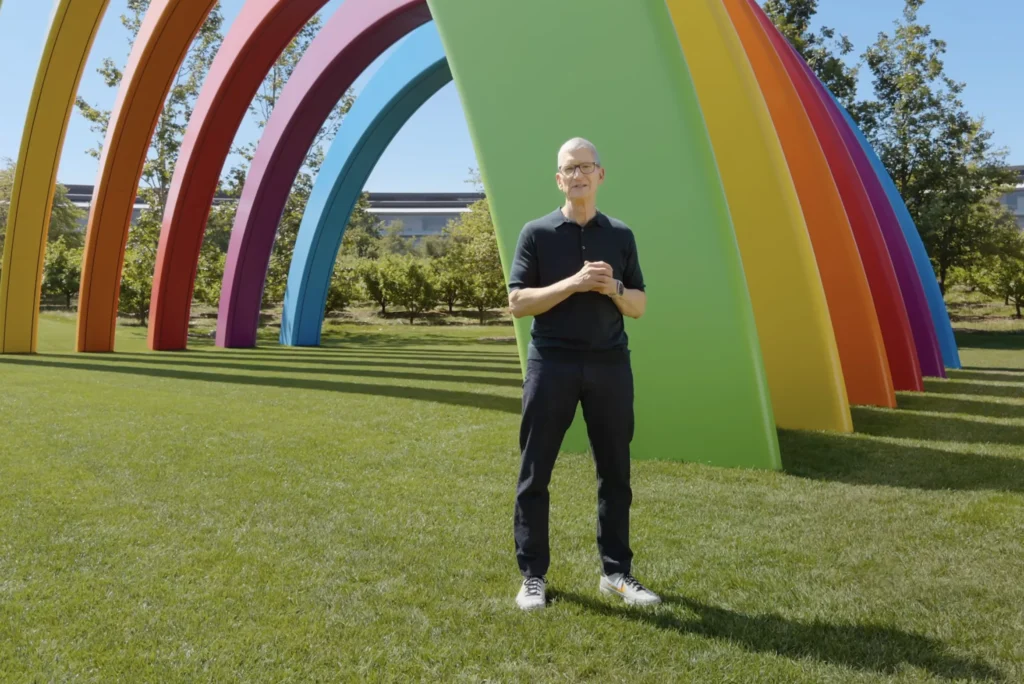
This edition also held symbolic importance. It marks Tim Cook’s last WWDC as CEO before he hands over the reins to John Ternus next September, giving this conference the feel of a historic turning point for the Cupertino company.
Siri AI: Apple Finally Enters the Era of Conversational Assistants
The unquestionable star of the conference is, unsurprisingly, Siri AI.
Introduced as a complete overhaul of Apple’s historical assistant, Siri is now a modern conversational assistant capable of interacting with applications, understanding the context displayed on the screen, and retaining conversation history.
Apple describes this new version as more natural, more expressive, more contextual, more intelligent, and better integrated into the ecosystem.
The assistant is accessible directly from the Dynamic Island on the iPhone, Spotlight on the Mac, or via a new dedicated Siri app.
This app adopts an interface similar to those popularized by ChatGPT, Gemini, or Claude, featuring a synchronized history via iCloud, allowing users to resume conversations on any Apple device.
This marks a significant shift in philosophy for a company that previously viewed Siri as merely a voice assistant.
> Learn more about Siri AI: coming soon
Apple Intelligence 2.0 Becomes the Backbone of the System
To complement Siri AI, Apple introduced a new generation of Apple Intelligence. The company confirmed that it collaborated with Google and the Gemini model family to develop the next generation of its foundational models.
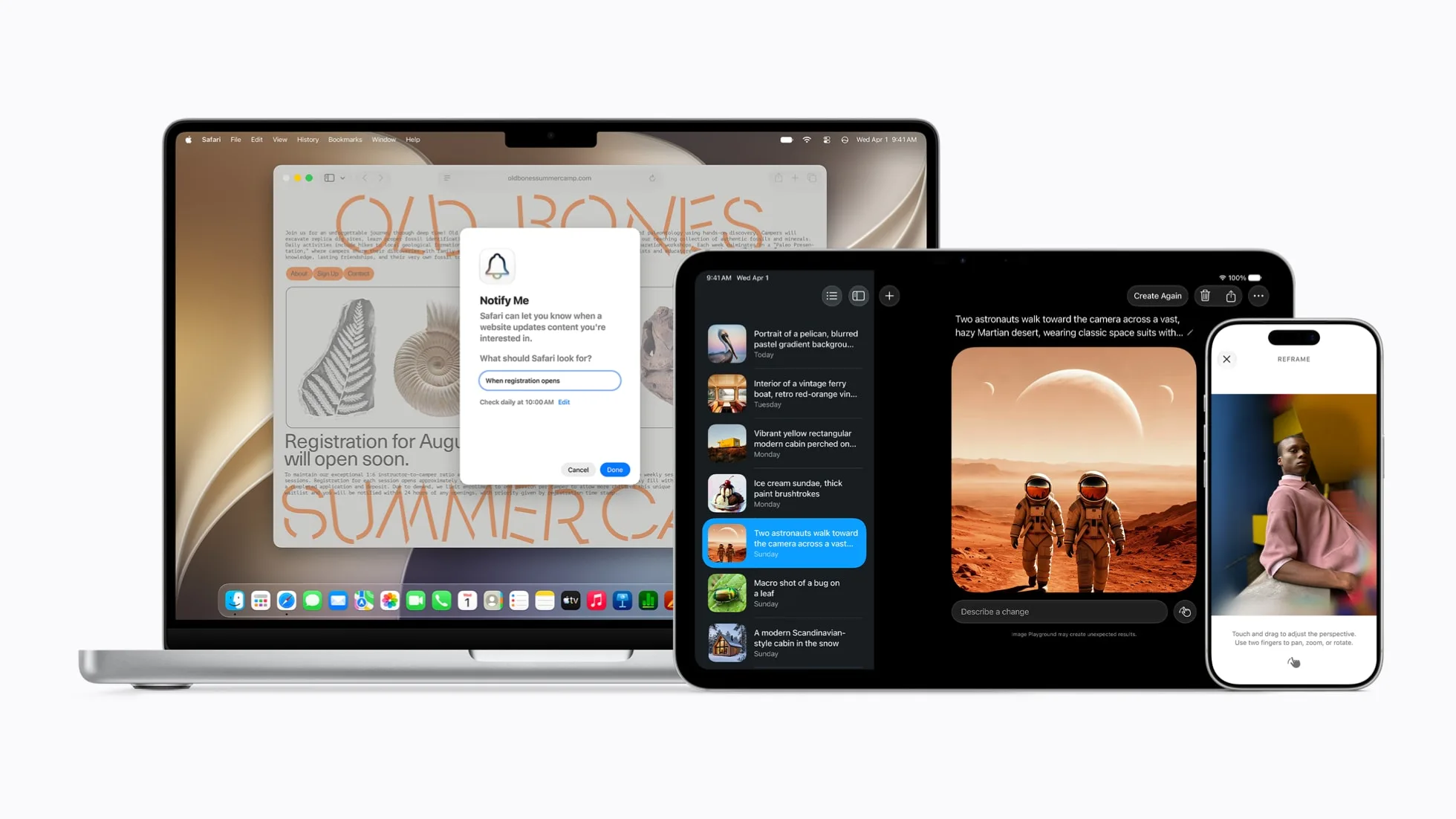
This architecture now powers many features across the system:
- intelligent suggestions in Messages
- contextual understanding across applications
- smart tab management in Safari
- advanced automation
- writing assistance
- enriched search.
The goal is to progressively eliminate the boundaries between applications so that the assistant can understand and utilize information throughout the entire ecosystem.
> Learn more about Apple Intelligence: coming soon
Apple Remains Committed to Privacy
Being aware of concerns surrounding artificial intelligence, Apple emphasized its privacy strategy repeatedly. According to Craig Federighi, requests are processed either locally on the device or via the Private Cloud Compute infrastructure.
Apple claims that data is never retained after processing; it is used solely to respond to the request, and independent audits can verify the operation of the system.
This approach remains one of the major differentiating factors for the brand compared to Google, Microsoft, or OpenAI.
> Learn more about the privacy strategy: coming soon
Photos Fully Embraces Generative AI
The Photos app also makes a significant leap forward.
Apple expands its creative toolkit with several new features based on generative AI.
Among the new features:
- Reframe: This feature allows users to change the perspective of a photo after it has been taken, as if they were virtually repositioning the camera within the scene.
- Extend: This tool automatically extends an image beyond its initial framing to modify its format or add more visual elements.
- Cleanup 2.0: Already popular, the object removal tool receives a significant upgrade with more realistic generative algorithms.
With these advancements, Apple is gradually catching up with Google Photos, Galaxy AI, and Adobe’s creative tools.
> Learn more about the new features in the Photos app: coming soon
Search Finally Gets the Overhaul It Deserves
One of the most underrated announcements at this WWDC concerns system search. Apple implicitly acknowledges the current limitations of Spotlight, Photos, and Mail.
The company claims to have completely rebuilt the search infrastructure used on iOS, iPadOS, and macOS.
This new architecture indexes content faster and significantly improves the relevance of results. This change could have a far more substantial daily impact than some of the more spectacular AI features.
Liquid Glass Becomes More Flexible
Apple also continues to improve Liquid Glass following criticism of its visual identity. Instead of abandoning this aesthetic direction, the company introduces more customization options.

Users can now reduce effect intensity, increase transparency, enhance opacity, and adjust the overall look of the system.
This approach allows Apple to maintain its new aesthetic direction while responding to criticism regarding readability.
> Learn more about macOS 27: coming soon
> Learn more about iPadOS 27: coming soon
A Stronger Parental Control System
Children’s safety played a significant role during the conference. Apple introduced a new generation of parental control tools that allow for limiting approved contacts, controlling web access, managing downloads, and setting more precise usage rules.
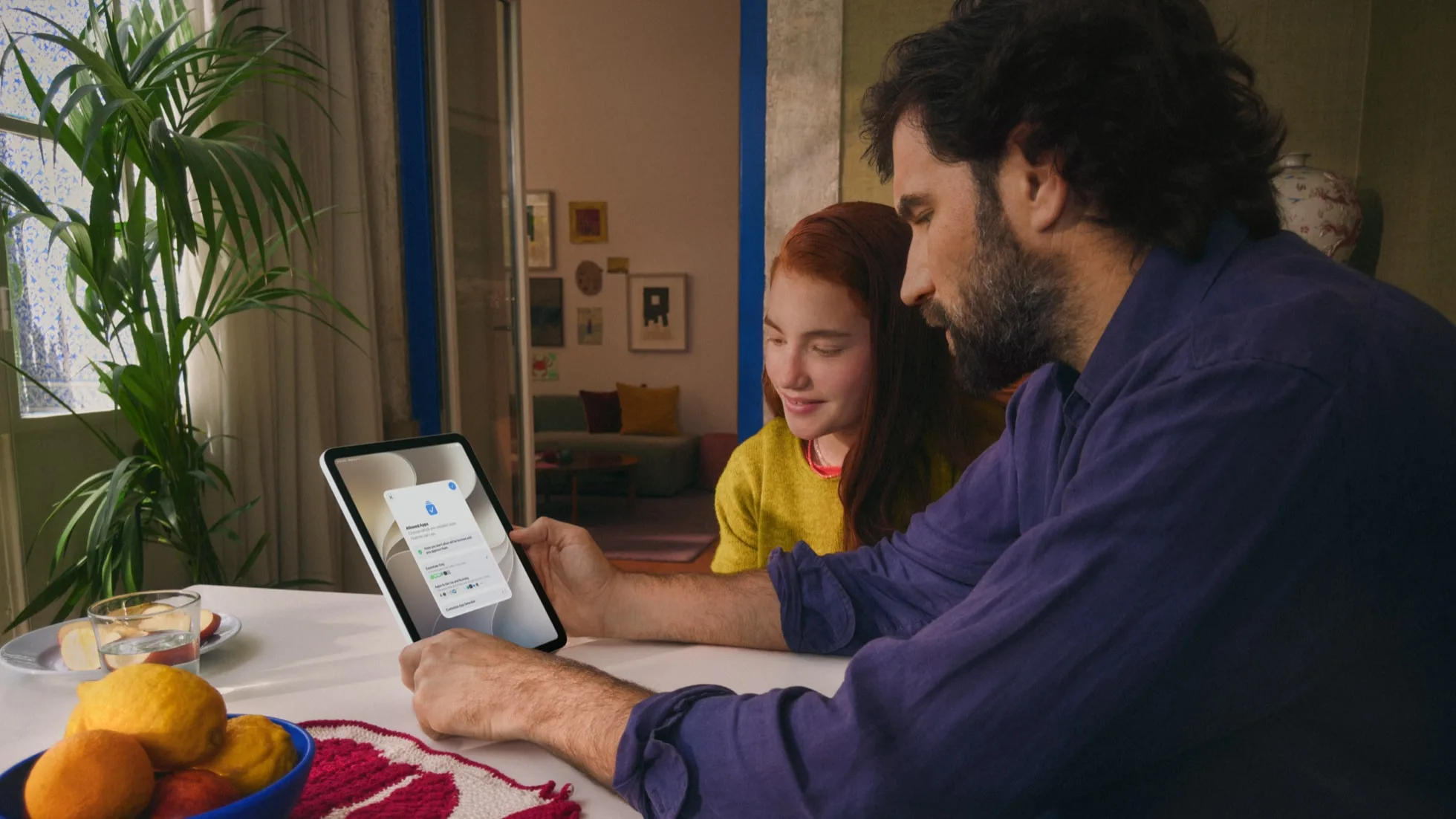
For child accounts under 13 years old, several protections are automatically enabled.
Apple aims to strengthen its position on an issue that has become central for families and regulators worldwide.
> Learn more about parental control updates: coming soon
iOS 27 Becomes the Most Accessible Version in Recent History
Apple also surprised regarding compatibility.
Contrary to rumors suggesting that some older models would be dropped, iOS 27 will be compatible with all iPhones starting from the iPhone 11.
The company also promises faster app launches, AirDrop transfers up to 80% faster, accelerated photo processing, and improved multitasking management.
These enhancements demonstrate that Apple continues to pay close attention to the fundamental performance of its systems.
> Learn more about iOS 27: coming soon
A WWDC of Catch-Up…But Also Transition
For several years, Apple has watched Google, OpenAI, Microsoft, and Anthropic gain a significant lead in artificial intelligence.
WWDC 2026 clearly marks an attempt to regain footing in the race.
Admittedly, many of the features presented already exist in various forms among competitors. However, Apple aims for deep integration within its ecosystem, a simplified user experience, and a privacy-centered approach.
Beyond the technical announcements, this conference also symbolizes the end of a cycle. It is Tim Cook’s last major public event before stepping down from operational leadership.
If Siri AI lives up to its promises, WWDC 2026 could be remembered as the moment Apple finally found its place in the artificial intelligence era. Conversely, if it falls short, it may remain just another attempt to catch up with competitors that are already moving ahead.



