

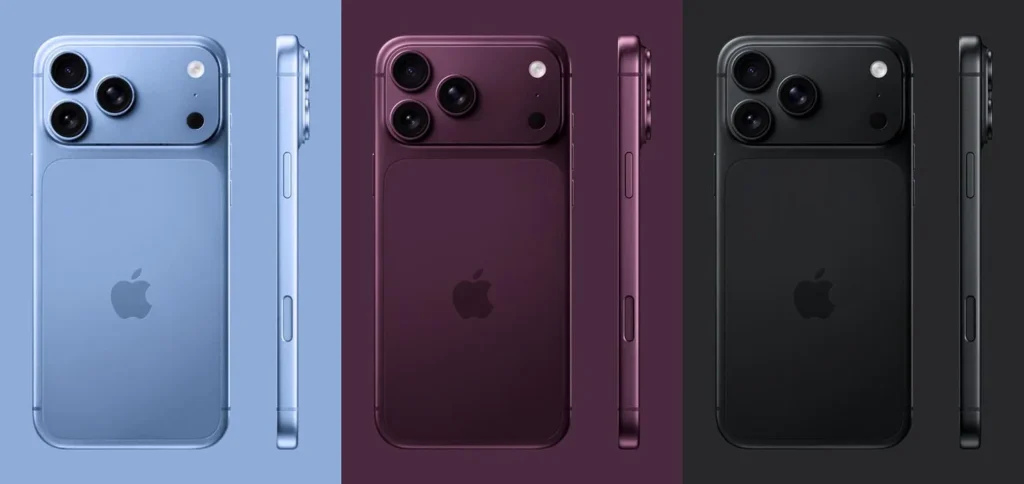
The iPhone 18 Pro Max May Cost Much More to Produce: Memory Inflates the Bill
The rising costs of components continue to disrupt the smartphone industry, and Apple is not immune to this trend. According to a new analysis by Counterpoint Research, the manufacturing cost of the iPhone 18 Pro Max could soar significantly compared to its predecessor, especially in models featuring larger storage capacities.
The primary culprit has been clearly identified: memory.
Up to $300 in Additional Component Costs
According to Counterpoint Research, the 1 TB version of the iPhone 18 Pro Max could cost nearly $300 more to produce than the iPhone 17 Pro Max with the same capacity. This increase is not due to a complete redesign of the device, but rather the rising prices of memory components.
NAND Flash chips, used for internal storage, and DRAM memory, essential for system operation and AI-related processing, have experienced significant price hikes in recent months.
Models with the largest storage capacities are logically the most affected, as they require more memory. Each increase in chip prices thus has a more pronounced impact on the 1 TB versions compared to entry-level configurations.
The 2 nm Process Also Raises Costs
However, memory is not the only expense on the rise. The iPhone 18 Pro Max is expected to introduce the new Apple A20 Pro chip, manufactured using TSMC’s 2 nanometer process.
This technology promises significant gains in performance and energy efficiency, while enhancing computational capabilities for embedded AI. In return, the production costs of this new generation of chips are substantially higher than those of the current 3 nm process.
In other words, Apple will have to absorb simultaneous increases in the cost of memory and its high-end processor.
Some Parts, However, Become Less Expensive
Not everything is moving in the same direction. Counterpoint estimates that some components, particularly the screen and various secondary elements, should be cheaper than those of the iPhone 17 Pro Max. These savings could partially offset the inflation of more strategic components, although they won’t suffice to negate the overall rise in manufacturing costs.
Apple May Revise Its Pricing Strategy
In light of this situation, Apple might adjust its pricing policy. Instead of applying a uniform increase across the lineup, the company could favor differentiated increases based on storage capacity.
The 512 GB and especially 1 TB models, which are more exposed to the soaring memory costs, could thus experience larger price hikes than the entry-level versions.
This strategy would allow Apple to maintain its margins on the more expensive configurations, which are also the most profitable.
Margins Under Pressure Despite Price Increases
Counterpoint goes even further in its analysis. The firm estimates that even if Apple raised the average selling price of the iPhone 18 Pro Max by around $200, its gross margin could still be slightly lower than that generated by the iPhone 17 Pro Max.
This situation illustrates an increasingly visible phenomenon in the tech industry: manufacturers are no longer just passing research and development costs onto their prices but must also navigate the persistent inflation of strategic components.
A New Reality for the Smartphone Market
Memory has gradually become one of the most expensive elements of a premium smartphone. With the widespread adoption of embedded artificial intelligence, manufacturers are increasing their needs for DRAM and fast storage, further intensifying pressure on supply chains.
Apple is not an isolated case, as Samsung, Google, Xiaomi, and other manufacturers have already indicated that rising memory prices make it challenging to maintain competitive pricing.
If this trend continues, high-end smartphones may continue to reach new price thresholds in the coming years, particularly affecting models with large storage capacities.



