

Sunbird returns to Android: iMessage blue bubbles are back… but at what cost?
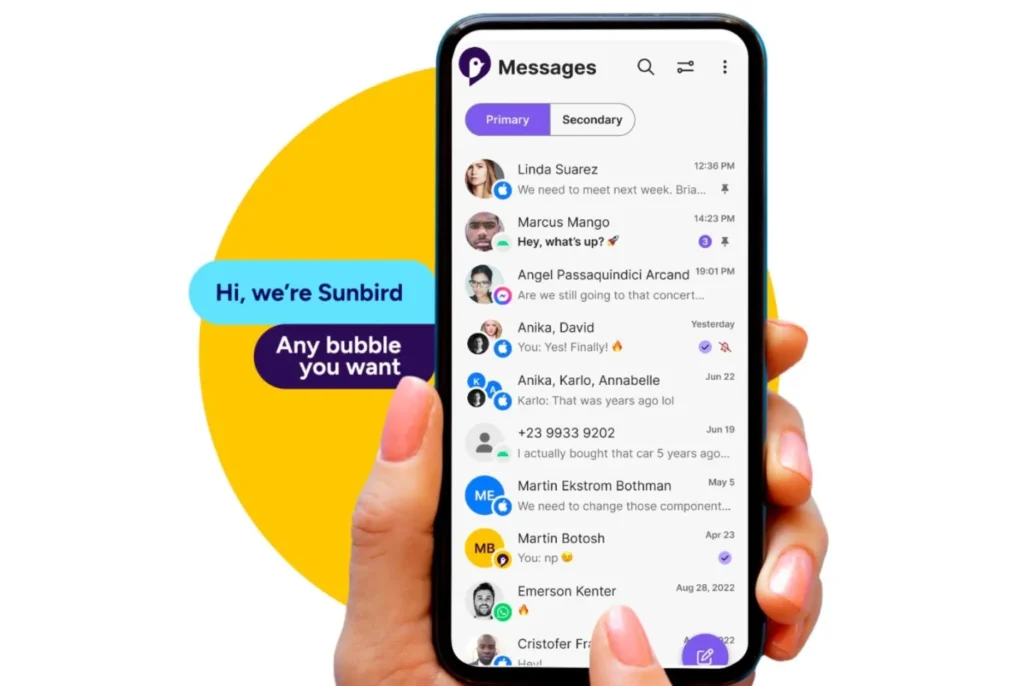
After a notable disappearance due to security vulnerabilities, Sunbird makes its return. The app is now available on the Google Play Store and promises Android users access to iMessage, complete with the iconic blue bubbles, reactions, threaded replies, and high-quality media sharing.
This ambitious revival fulfills a long-held wish for Android users but raises several questions.
Imessage on Android makes a comeback
Before the RCS protocol finally bridged the gap between Android and iPhone, conversations between the two platforms often meant compromises: reduced image quality, incompatible reactions, and sometimes chaotic group chats.
Even though Apple has adopted RCS on iPhones, some exclusive iMessage features remain within its own ecosystem.
This is exactly what Sunbird aims to overcome. The app enables Android users to send and receive iMessage messages directly from their smartphones, enjoying the blue bubbles, reactions, message replies, and the ability to share photos and videos in high quality.
The service is offered through a subscription model priced at $2.99 per month.
A return after a significant crisis of trust
The name Sunbird is familiar to many. The app was removed nearly three years ago after discovering multiple security issues that sparked criticisms within the community.
For its comeback, the company claims to have completely revamped its architecture.
According to Sunbird, messages are encrypted directly on the smartphone before sending, communications are transmitted via connections secured with certificates, and data stored on the device is protected using AES-256 encryption. Once the message reaches an iPhone, it is then secured with iMessage’s end-to-end encryption, which Sunbird asserts it never modifies or intercepts.
Apple passwords are no longer stored
One of the main criticisms aimed at the initial version was how Apple credentials were handled. Sunbird’s CEO, Danny Mizrahi, asserts that this aspect has been entirely redesigned.
He states that the Apple ID password is only used during the session initialization, is immediately deleted after that step, and no authentication tokens are retained for future logins. The company also notes that an independent security audit has been conducted on this new version, with no critical vulnerabilities found.
However, these claims have yet to be confirmed by published independent analyses.
Multimedia files are automatically deleted
Sunbird also clarifies its data retention policy. Photos, videos, and other multimedia content passing through its infrastructure are automatically deleted, typically within 48 hours, with a maximum retention of 72 hours.
The goal is to minimize the amount of data temporarily stored on the servers.
A messaging platform aiming for consolidation
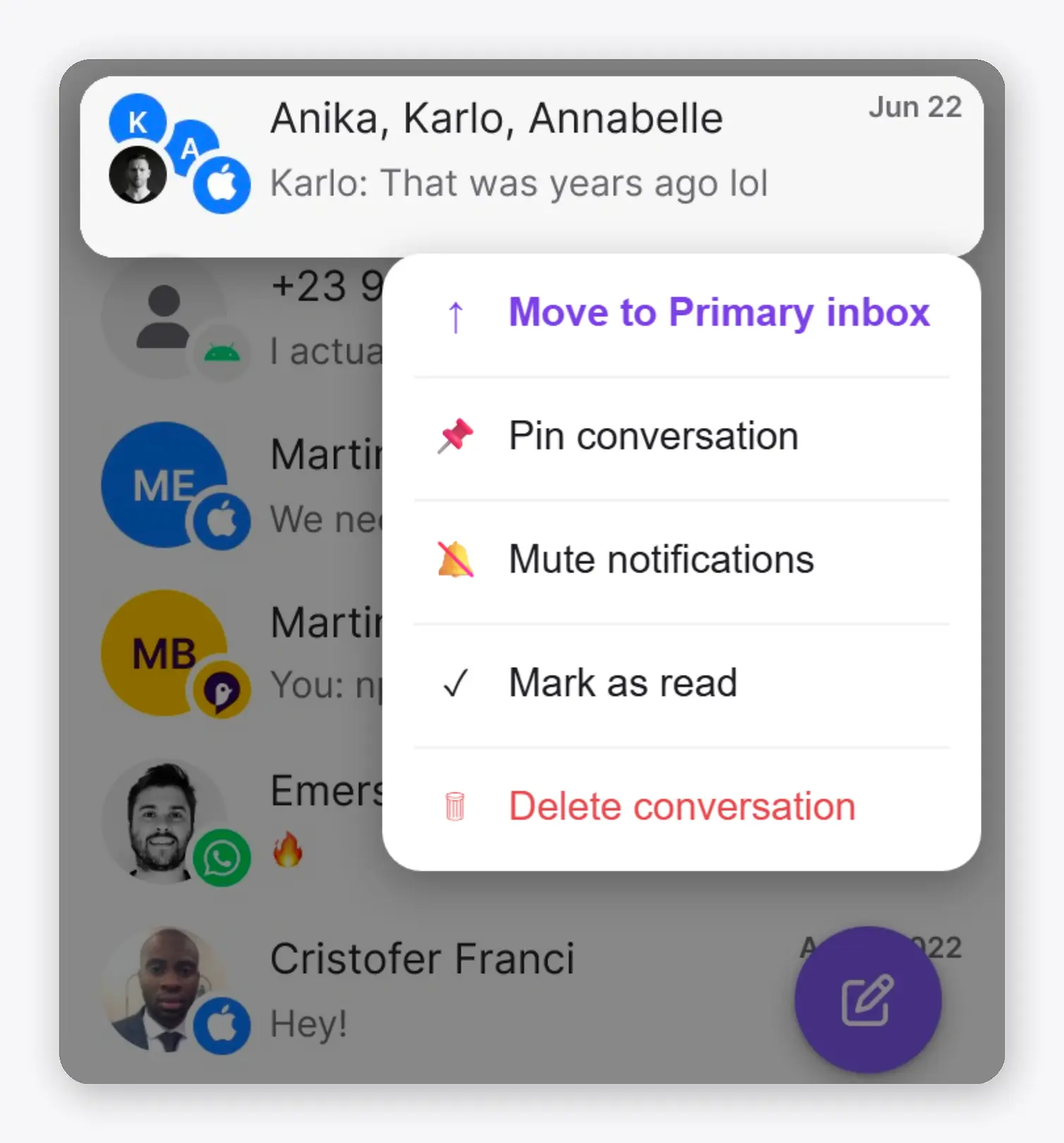
Beyond iMessage, Sunbird aspires to become a unified messaging platform. The app already supports Google Messages and traditional SMS. The company plans to add WhatsApp and Facebook Messenger by the end of the year.
Sunbird is also developing an AI-based assistant that will automatically summarize conversations, propose intelligent responses, and streamline management of discussions.
A challenging bet against the Apple ecosystem
Sunbird’s return comes at a much different time than its original launch. With the introduction of RCS on iPhones, interactions between Android and iOS devices have become significantly smoother. Even so, Android users remain excluded from certain iMessage-specific features, particularly the blue bubbles and various advanced interaction elements in conversations.
Sunbird attempts to bridge this gap by offering an experience closer to that of Apple users. However, its success will rely more on the trust it can restore after the controversies that led to its removal.
While the company claims to have significantly enhanced the security of its infrastructure, many users will likely wait for independent audits and more substantial evidence before linking their Apple ID.



