


Cloudflare launches Kitesurf: a browser designed exclusively for artificial intelligence agents
The web browser is entering a new phase of its evolution. While major AI players are developing browsers aimed at assisting users, Cloudflare is taking a radically different approach. With Kitesurf, the company is not targeting internet users, but the artificial intelligence agents themselves.
The concept is straightforward: as autonomous AIs become the primary users of the web for searching information, filling out forms, or making purchases, they require a browser specifically designed for their constraints, rather than a scaled-down version of Google Chrome.
A Browser That Omits Human Needs
Modern browsers have been designed with human users in mind. Tabs, animations, extensions, visual page management, and graphical acceleration are essential features for our daily browsing but largely unnecessary for an AI.
Intelligent agents pursue a vastly different objective: quickly analyze a web page, extract relevant information, take screenshots, interact with an interface, or move on to the next task immediately.
Cloudflare has thus eliminated everything that adds no value to these uses, prioritizing rapid execution and resource efficiency.
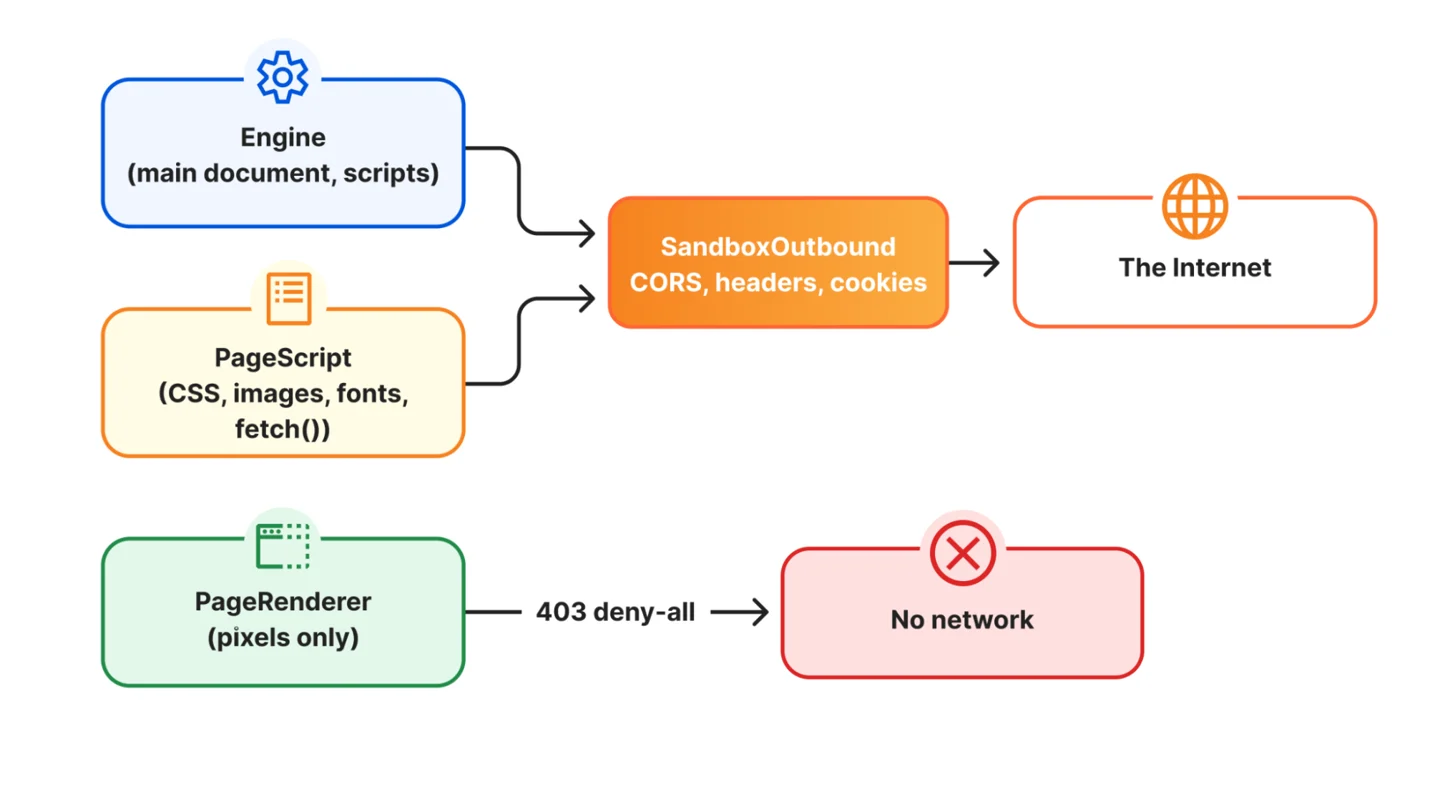
An Architecture That Runs Without Chromium
One of the most notable choices is the browser’s engine. Unlike most current browsers—Chrome, Edge, Brave, or Opera—Kitesurf does not rely on Chromium. The browser operates entirely on Cloudflare Workers, the company’s serverless platform.
For page rendering, Cloudflare combines several open-source technologies, including Blitz, a lightweight rendering engine, and Stylo, the CSS engine derived from Firefox. This architecture is expected to significantly reduce the resources required for common tasks like content analysis or screenshot capture.
For companies running thousands of AI agents concurrently, this performance gain can lead to substantial infrastructure cost reductions.
A Browser Designed for Autonomous Agents
Cloudflare is open about its vision. The company believes that future AI agents will take on an increasing share of online browsing on behalf of users. Booking a flight, filling out an administrative form, comparing products, or finalizing an order will gradually become automated tasks.
In this light, Kitesurf presents itself as an infrastructure capable of executing these operations much more efficiently than a traditional browser.
This approach mirrors the current evolution in the artificial intelligence market, where agents no longer just answer questions, but perform concrete actions themselves.
A Young Project, But Already Promising
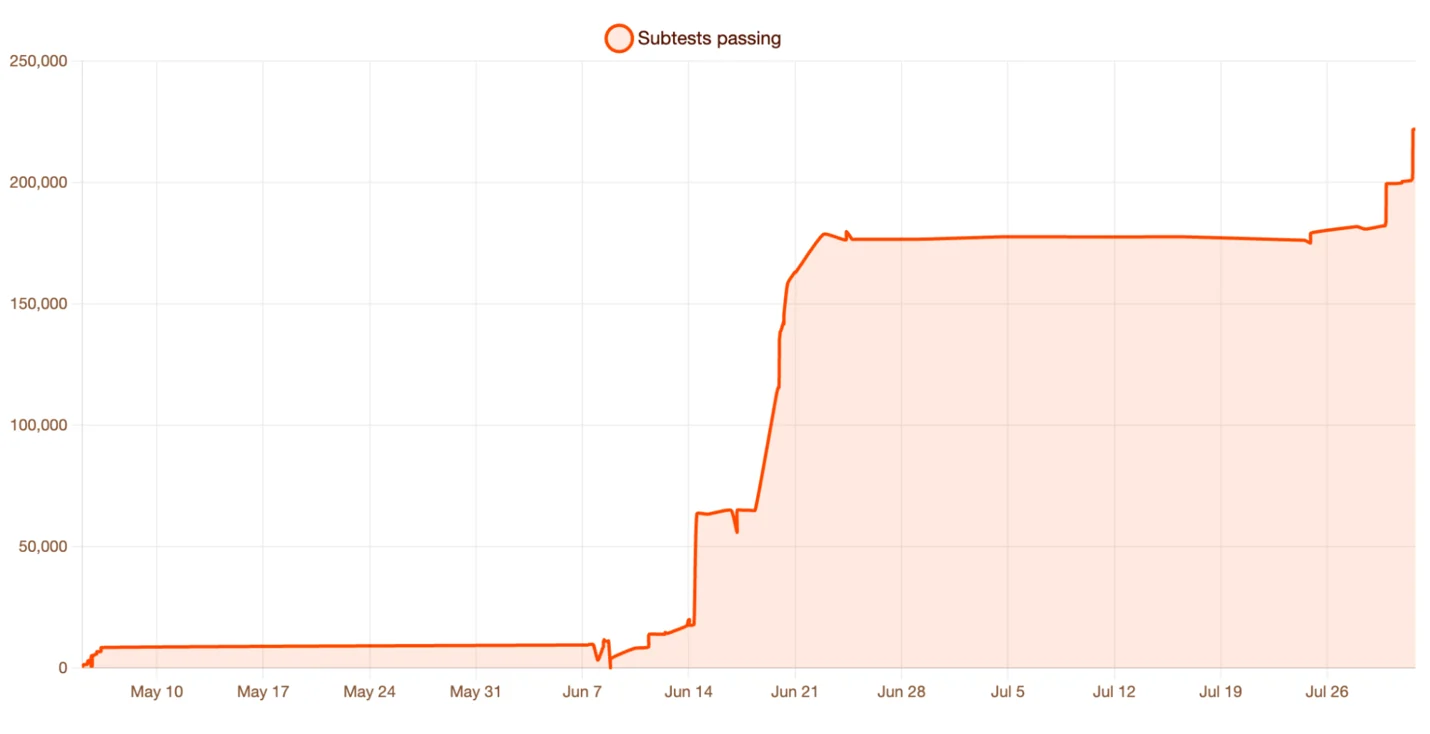
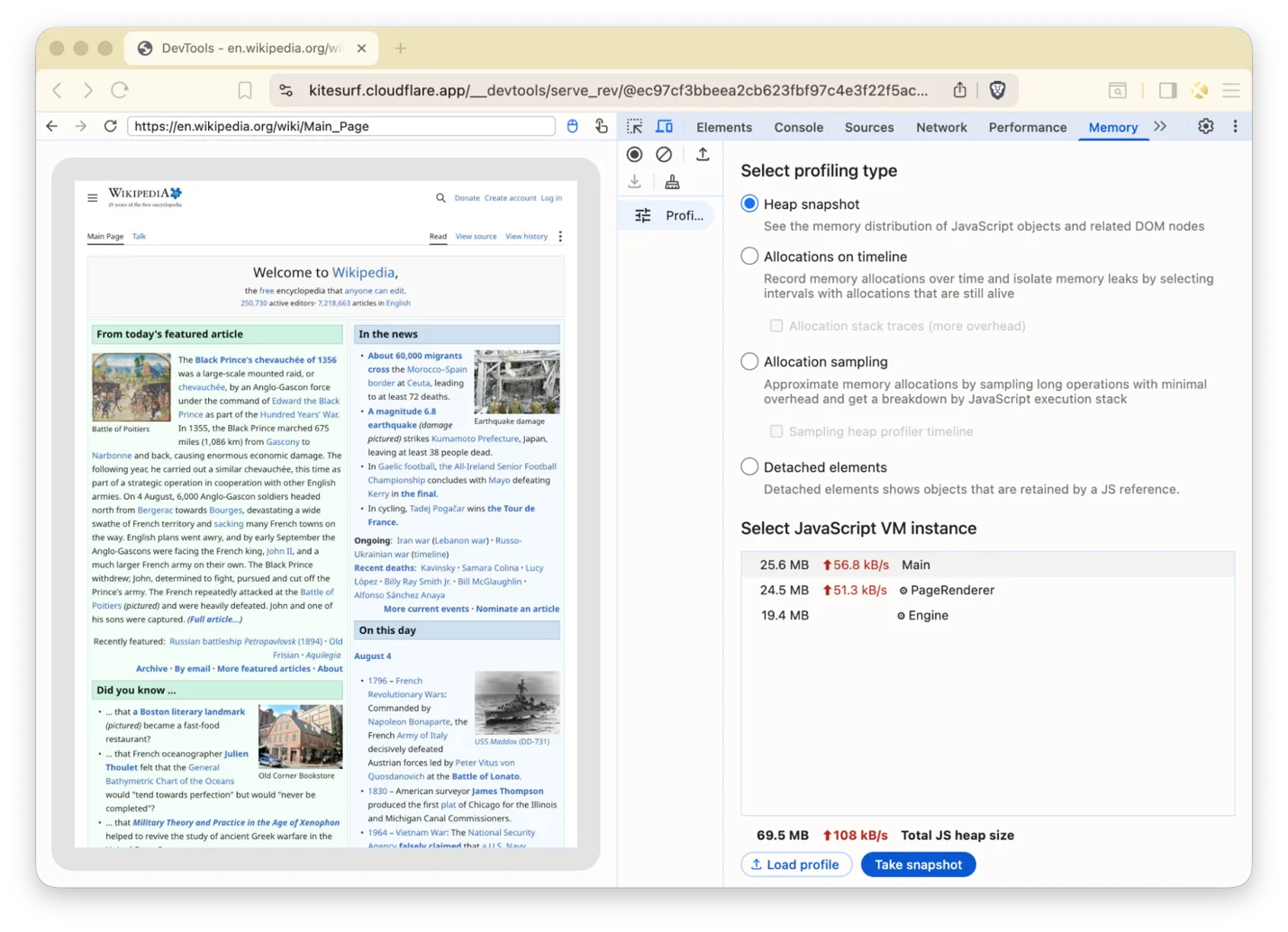
Development of Kitesurf is reported to have started only twelve weeks ago. Despite its youth, Cloudflare claims that the browser has already passed over 215,000 compatibility tests with web standards. Demonstrations released show that it can correctly display sites like Wikipedia or Hacker News.
However, some limitations remain.
At this stage, Kitesurf does not yet support video playback and authenticated sessions on certain services. These restrictions are expected to disappear as development continues.
A Free Beta… Before Going Open Source
Cloudflare is currently distributing Kitesurf for free as part of the beta phase for its Browser Run service. The company also plans to eventually open-source the browser’s code, allowing organizations to deploy their own version on their infrastructures.
This strategy aligns with Cloudflare’s historical philosophy of providing technical building blocks for the internet rather than products aimed at the general public.
The Browser Is No Longer Reserved for Humans
With Kitesurf, Cloudflare perfectly illustrates the shift currently affecting the web. For nearly thirty years, browsers have been designed exclusively for human users. Now, a new category of users is emerging: artificial intelligence agents capable of browsing, understanding interfaces, and acting autonomously.
This evolution could profoundly transform the Internet ecosystem. If AIs become the primary visitors to many sites, browsers will need to be optimized not to display beautiful interfaces but to process information quickly and execute complex tasks.
Kitesurf will likely never replace Chrome on user desktops. However, it could become one of the most crucial tools in a new generation of the Internet, where a growing share of browsing will be handled… by artificial intelligences.



