

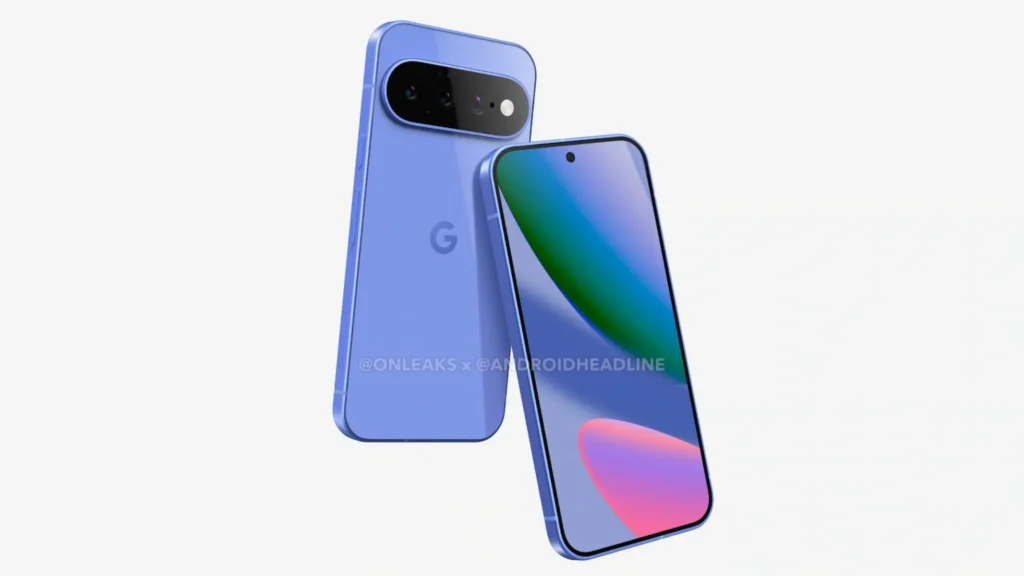
Pixel 11: leak suggests a €100 price increase for the entire Google range
Future Pixel models may be significantly more expensive than their predecessors. According to a new leak, Google is reportedly planning a price increase of approximately €100 across the entire Pixel 11 lineup in Europe. This change comes at a time when the entire industry is raising its prices due to the increasing costs of components and memory.
While some improvements are expected, this new pricing strategy could reignite the debate regarding the positioning of Pixel smartphones in a fiercely competitive market.
A General Price Increase for the Entire Range
The information comes from Dealabs, which is usually well-informed about tech product launches. According to this leak, all models in the Pixel 11 series are expected to see their prices rise by around €100 in Europe compared to the Pixel 10.
In exchange, Google will finally eliminate the 128 GB storage option for the Pixel 11 and Pixel 11 Pro models, which will now start with a minimum of 256 GB of internal memory. This change is welcome, as this capacity is gradually becoming the new standard in the premium segment.

An Expected Launch as Early as August
According to the same reports, Google is set to officially unveil the new lineup on August 11, with immediate preorders starting afterward. The official release is anticipated shortly after, on August 20.
The different versions will be offered in the following configurations:
- Pixel 11
- 256 or 512 GB options
- Colors: Light Sterling, Midnight Haze, Fuchsia, and Moss
- Pixel 11 Pro
- 256 GB, 512 GB, and 1 TB options
- Colors: Light Fog, Midnight Haze, Dune, and Pine
- Pixel 11 Pro XL
- 256 GB, 512 GB, and 1 TB options
- Colors: Light Fog, Midnight Haze, Dune, and Pine
- Pixel 11 Pro Fold
- 256 GB, 512 GB, and 1 TB options
- Colors: Midnight Haze and Pine
As always with such information, these details should be considered cautiously until Google makes an official announcement.
Minimal Hardware Changes… But a New Tensor Chip
Initial reports suggest a relatively modest evolution in hardware. The four models are expected to maintain similar screen sizes to the previous generation. However, several sources indicate that battery capacities may slightly decrease, raising questions given that battery life remains a crucial factor for users.
The standard Pixel 11 will feature a 50-megapixel main sensor, while all models will adopt the next generation of Tensor processors built on a 2-nanometer process.
This fine process should enhance performance and particularly energy efficiency, an area where Tensor chips have faced criticism compared to Qualcomm and Apple solutions.
Another anticipated innovation is a feature named Pixel Glow. Its functionality remains somewhat mysterious, but several rumors suggest an integrated light system on the back of the smartphone that could serve as a notification indicator or enable new software interactions.
Can Google Still Claim Good Value for Money?
Beyond the technical specifications, it seems the positioning of the Pixel range is shifting. For several years, Google distinguished itself by offering high-end smartphones at prices that were often more competitive than those of Apple or Samsung, while emphasizing computational photography and the Android experience.
Today, the situation appears different.
The Pixel models are increasingly focused on AI-related features, while criticism regarding the performance of Tensor chips, various software bugs, and battery life continues to circulate.
A price increase of around €100 could complicate Google’s position in a segment where competition is particularly intense. To remain competitive against upcoming high-end Galaxy models and new iPhones, Google will need to persuade consumers that the advancements brought by the Pixel 11 truly justify this upgrade in pricing.
As we await the official presentation, one thing appears clear: premium smartphones are progressively becoming more expensive, and Google seems unwilling to make an exception.



