PineTime Pro: The Ambitious Rebirth of the Open Source Smartwatch
More than six years after launching a minimalist smartwatch designed for open-source enthusiasts, Pine64 is set to take a much bolder step. The PineTime Pro does not replace the original PineTime, which remains available at a low price, but it clearly redefines its potential.
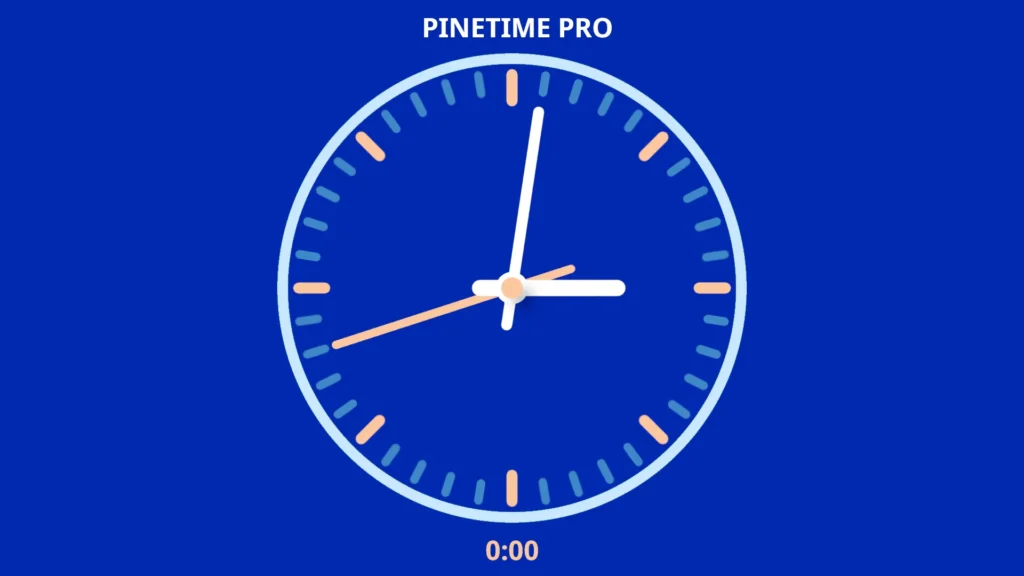
A larger AMOLED display, a significantly faster processor, GPS, microphone, speaker, SpO2 sensor, and a digital crown: this new generation feels more like a leap forward than a mere evolution, aiming to make the PineTime ecosystem capable of supporting more complex uses and software.
PineTime Pro: A Technical Sheet That Radically Upscales
The transformation is evident in the hardware. While the first PineTime embraced a nearly ascetic simplicity, the PineTime Pro embraces a much bolder ambition. It features a 2.13-inch AMOLED display at 410 x 502 pixels, significantly larger and more defined than the previous 1.3-inch IPS LCD display at 240 x 240 pixels. Inside, Pine64 replaces the modest 64 MHz Cortex-M4 of the original watch with a homegrown dual-core Cortex-M33 chip, with one application core up to 200 MHz and a second core dedicated to Bluetooth.
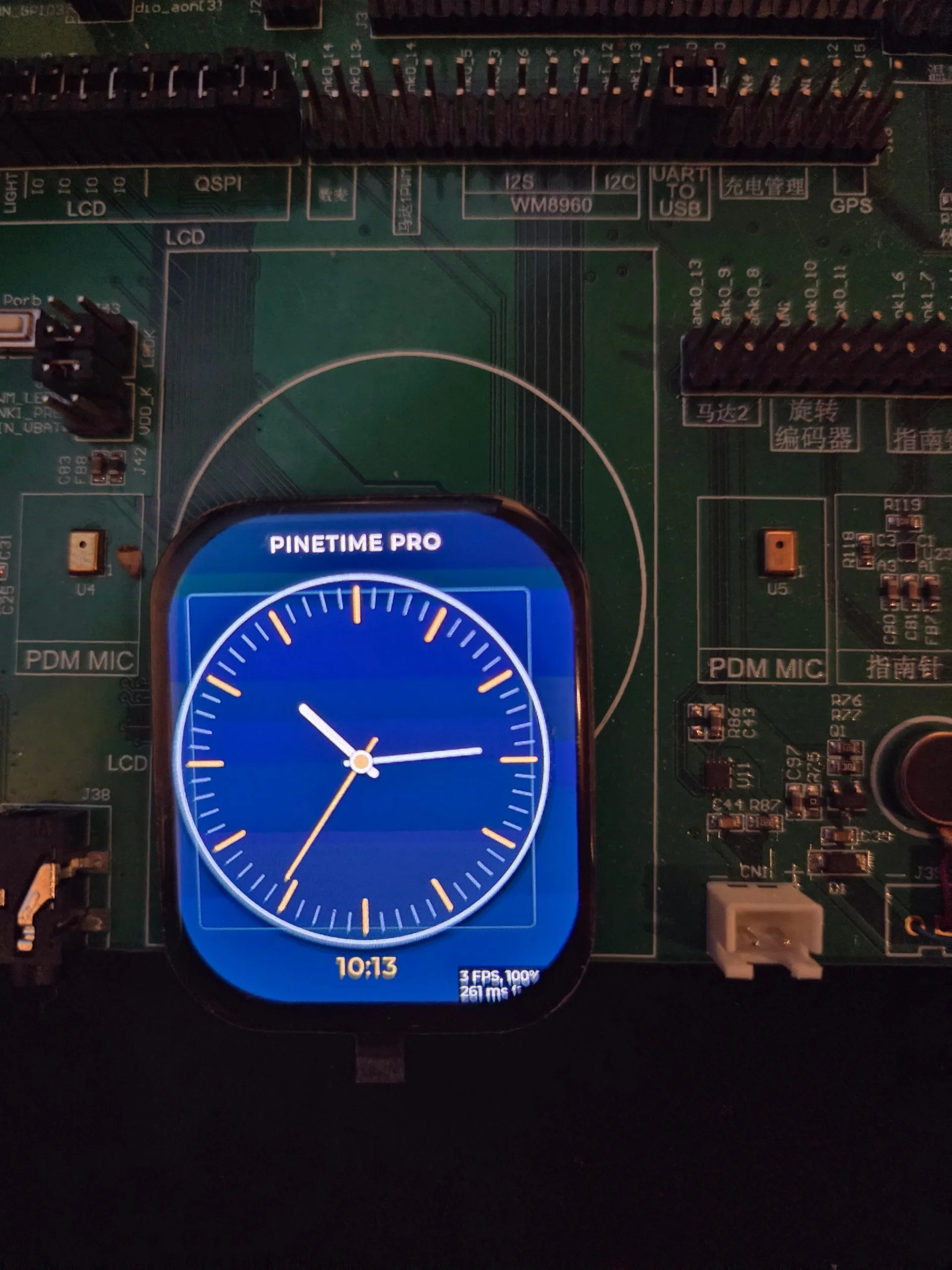
Memory follows a similar trend. The newcomer comes with 800 KB of SRAM, 8 MB of PSRAM, and 8 MB of SQPI storage, whereas the original PineTime had to manage with 64 KB of SRAM, 512 KB of internal flash, and 4 MB of SPI storage.
This is no longer a simple platform for lightweight firmware; it is now a much more credible playground for more ambitious systems.
GPS, Audio, SpO2: Pine64 Finally Expands Use Cases
The other significant difference lies in its features. The PineTime Pro adds a microphone, a speaker, GPS, a blood oxygen sensor, a 6-axis IMU, and a digital crown along with an additional button. Of course, the watch retains the vibration motor and heart rate monitoring, but it steps away from a purely experimental approach to something more versatile, akin to a modern smartwatch—without abandoning its open DNA.
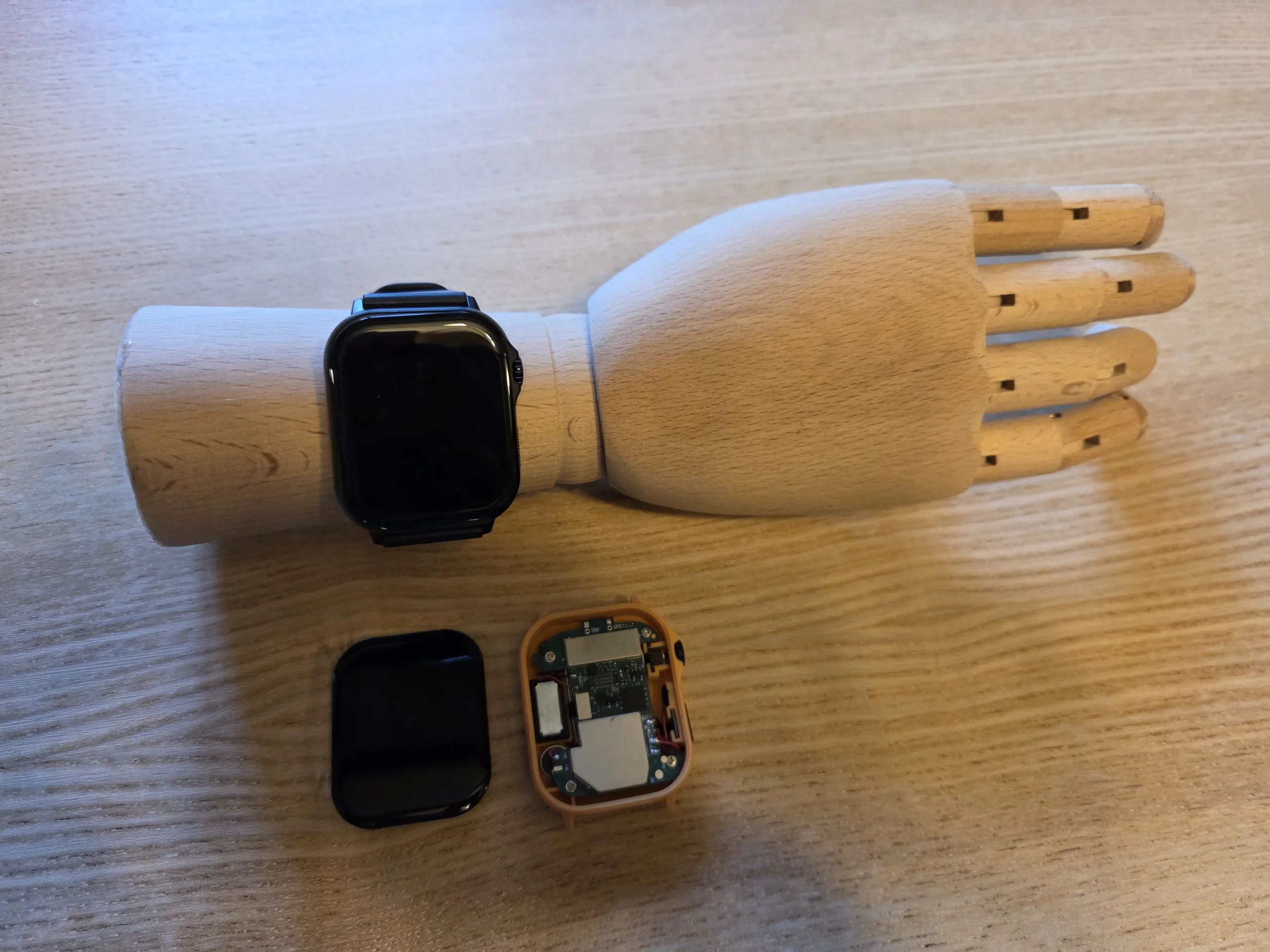
Pine64 has also noted that it considered additional features like an ambient light sensor or a LoRa radio but ultimately dropped those ideas due to size constraints on the PCB and RF design. This choice reflects the project’s philosophy: not to overload with indiscriminate features, but to find a credible balance between technical ambition and feasibility.
The Real Promise Lies in the Software, and That’s Where Pine64 Differentiates Itself
As is often the case with Pine64, the story is not limited to hardware. The brand does not develop the operating system that will power the watch. Instead, it relies on its community, providing hardware to open-source developers to allow use cases to emerge organically. This approach had already enabled the original PineTime to build a small ecosystem around projects like InfiniTime and WaspOS.
With the PineTime Pro, this logic becomes even more compelling. The surplus power and memory open the door to heavier and potentially unexpected software. Some developers are already estimating that it might be possible to run games like DOOM or even adapt systems like PebbleOS, which has recently gone open source. This is not just a geeky bonus; it could make the PineTime Pro a genuinely portable experimental platform, far beyond just a connected device.
A Watch Still in Development, but Increasingly Practical
For now, the PineTime Pro is not yet ready for sale. The prototypes recently showcased used a development board connected to a watch-sized display, indicating that the final motherboard is not fully locked down. However, Pine64 has stated that a new revision of the PCB is set to be tested in the coming weeks. If these tests resolve the remaining issues, production could start once a satisfactory third-party software foundation is available.
In other words, the watch exists and is progressing, but it still depends on this dual maturity—both hardware and community—that often characterizes Pine64 projects.
The Price Will Likely Stay True to Pine’s Spirit… But Will Not Retain the Original’s Extreme Affordability
The brand has not yet announced any pricing, but one thing seems certain: the PineTime Pro will cost significantly more than the original PineTime, which is still offered at $27. With a larger AMOLED display, a faster SoC, increased memory, and enriched connectivity, the rise in production cost seems inevitable.
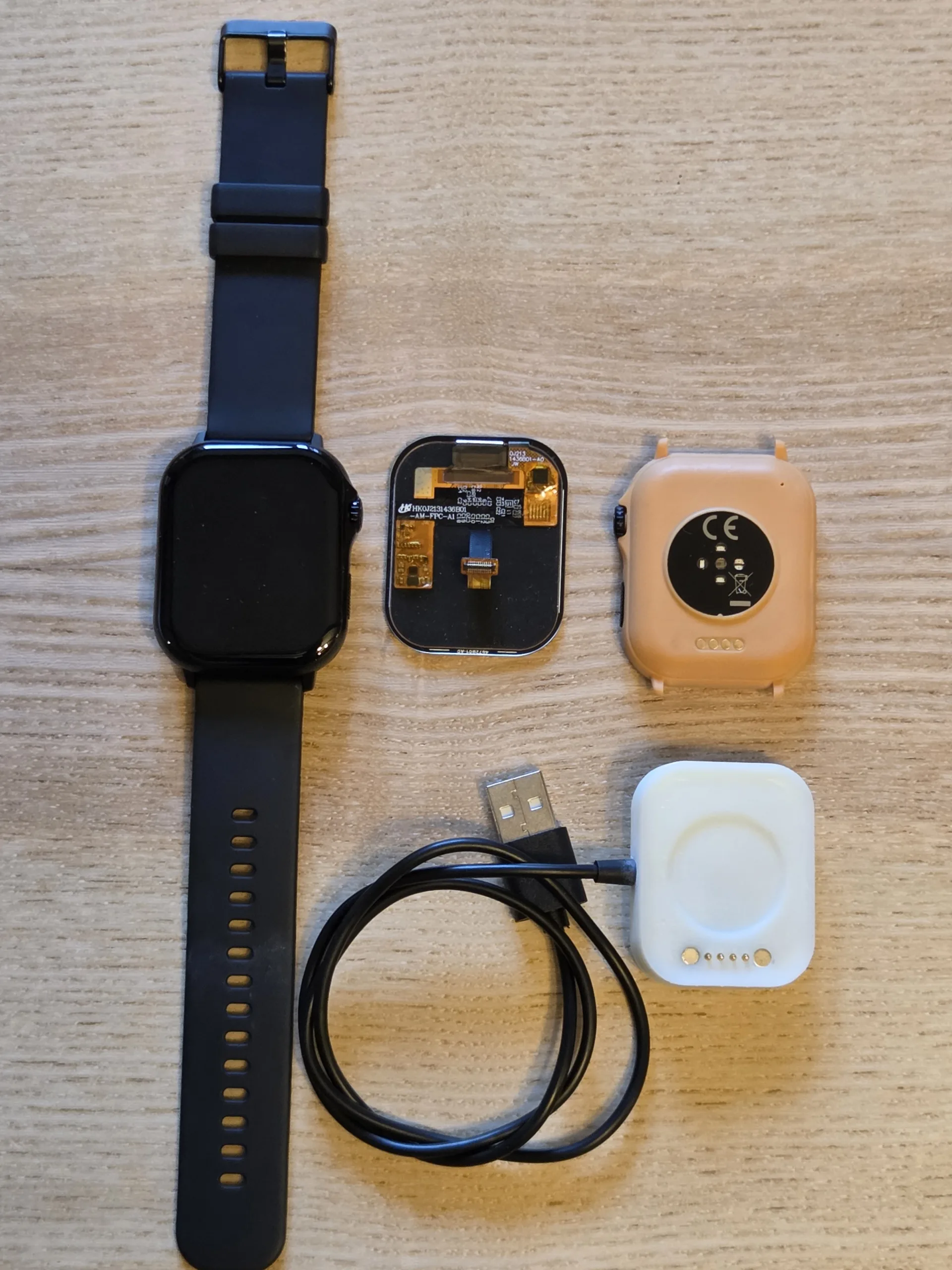
And this may not necessarily be a bad thing. The PineTime Pro does not aim to fulfill the same role. While the original PineTime embodied an ultra-affordable open-source smartwatch, the new model seems poised to become a genuine portable platform for developers, makers, and enthusiasts looking for more than just a connected wristband.
Pine64 is No Longer Just About Offering an Affordable Watch, but a Credible One
The most interesting aspect of the PineTime Pro is precisely this shift. Pine64 is no longer content to defend the idea of an open and inexpensive wearable. The company seems to want to prove that an open-source product can also gain sophistication without losing its identity. The PineTime Pro will likely not directly compete with an Apple Watch or a Galaxy Watch in the mainstream market. But that is not its role.
Its ambition lies elsewhere: to provide a truly modifiable, extensible, and reclaimable portable object at a time when most smartwatches have become sleek but closed black boxes. In this landscape, the PineTime Pro could very well become one of the most unique offerings available.