

Minimal Phone 2: The QWERTY Smartphone Goes OLED and Keeps Its Physical Keyboard
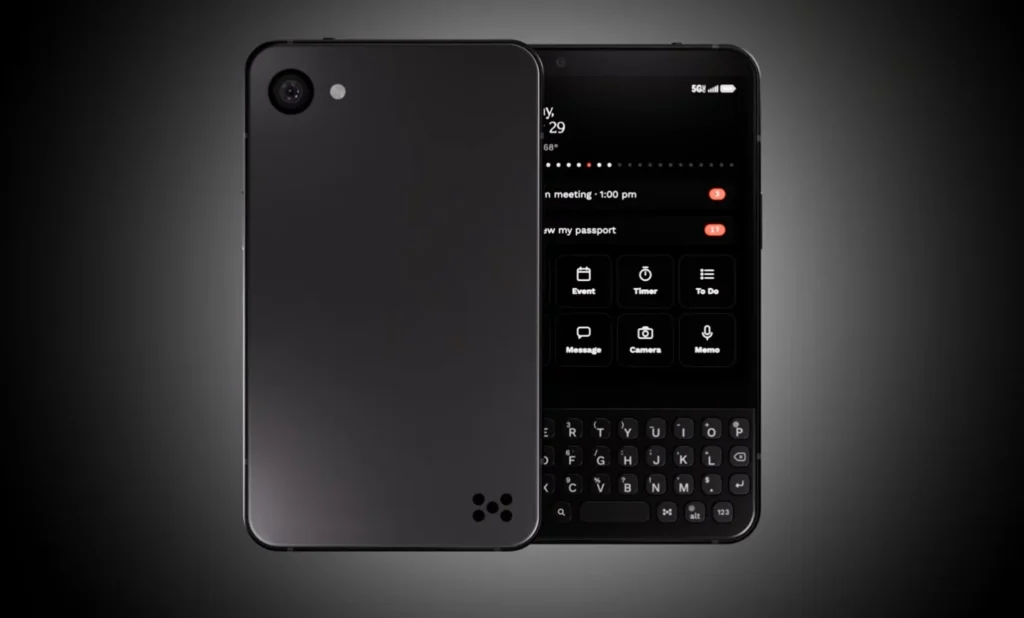
Minimal is evolving. After capturing the interest of users seeking a more understated smartphone with its E-Ink display and physical keyboard, this emerging brand returns with a second generation that aims higher. The Minimal Phone 2 maintains its iconic QWERTY keyboard but now replaces its monochrome display with a true 90 Hz OLED screen.
This change signifies a shift in philosophy: to provide a more modern experience while still focusing on a smartphone designed primarily for productivity.
OLED Screen Replaces E-Ink
The most obvious upgrade is the switch from E-Ink to a 3.92-inch OLED display with a resolution of 1080 × 1240 pixels and a refresh rate of 90 Hz.
This choice greatly enhances fluidity, multimedia content readability, and versatility, while still maintaining a compact size of 122.6 × 72 × 9.48 mm.
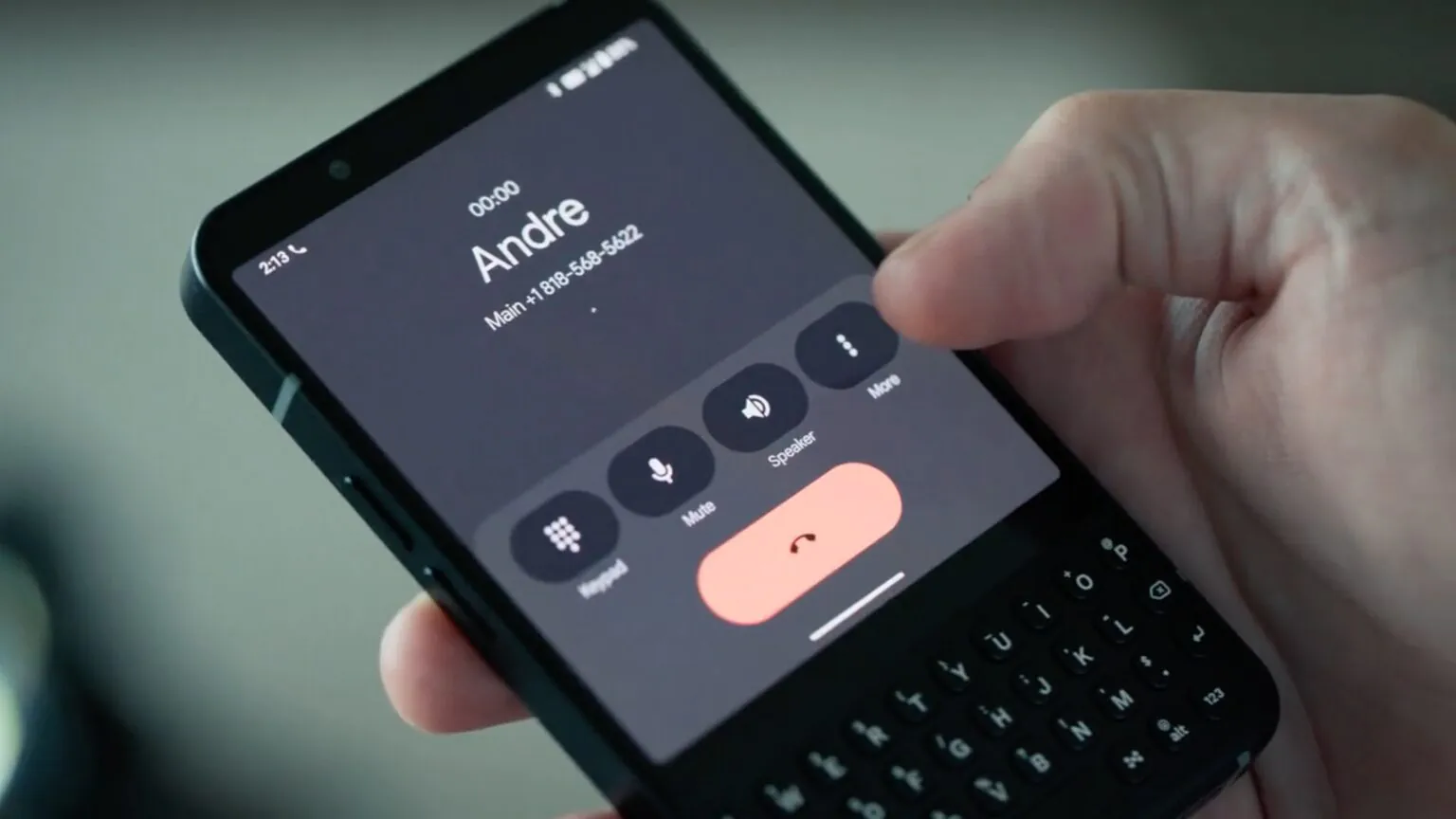
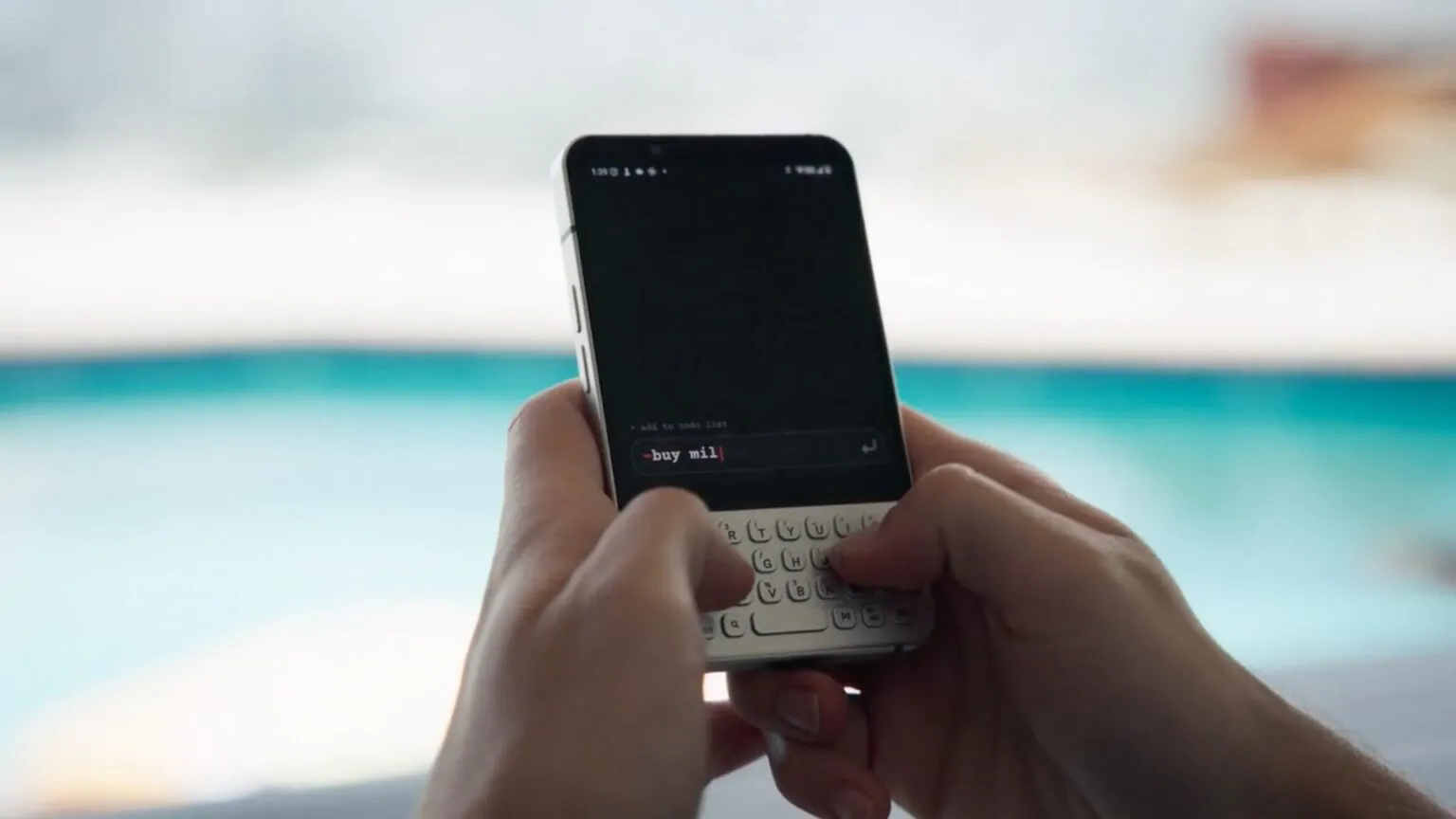
Below the screen, the manufacturer retains what defines this range: a complete QWERTY physical keyboard, aimed at users who prefer traditional tactile input over virtual keyboards.
A Well-Balanced Technical Configuration
Under the hood, Minimal opts for the MediaTek Dimensity 8300, a platform that strikes a good balance between performance, energy efficiency, and production costs.
Three configurations are available:
- 8 GB RAM + 256 GB storage: $599
- 8 GB RAM + 512 GB: $675
- 12 GB RAM + 512 GB — Founder’s Edition: $899
The smartphone also features a 50-megapixel (f/1.8) main sensor, a 20-megapixel front camera, a 3,000 mAh battery, wired charging at 27 W, and wireless charging at 15 W.
The system runs on Minimal OS, an interface developed by the brand based on Android, with a focus on simplicity and minimizing distractions.
A Surprisingly Comprehensive Specs Sheet
Despite its unconventional positioning, the Minimal Phone 2 does not skimp on modern features.
It includes Bluetooth 5.4, Wi-Fi 6E, an NFC chip, dual SIM (nano-SIM + eSIM), a side-mounted fingerprint reader, dual stereo speakers, dual microphones, and a 3.5 mm headphone jack. The USB-C port also supports DisplayPort, allowing users to connect the smartphone to an external screen, as well as USB-C audio.
In other words, Minimal is not just offering a nostalgic phone; it aims to provide a device that can replace a traditional smartphone for most everyday uses.
Kickstarter Already Validates the Project
The launch will once again take place via Kickstarter. And, the campaign is already experiencing significant success. At the time of its announcement, the project had surpassed $800,000 in funding, gathering over 1,200 contributors, well beyond its initial goal.
This strong start confirms that there is a real demand for different smartphones, counter to the trend of ever-larger screens and increasingly cluttered interfaces.
The Return of the Physical Keyboard Is Not Just Nostalgia
For several years, the physical keyboard seemed doomed to disappear with BlackBerry. However, several independent manufacturers are now trying to reinvent this experience by combining it with modern Android. Minimal takes a different approach from traditional smartphones; instead of competing on raw power or AI features, the brand focuses on typing comfort, concentration, and productivity.
The transition from E-Ink to OLED shows, however, that the manufacturer is willing to make compromises to attract a broader audience. The Minimal Phone 2 thus retains its identity while gaining versatility, a balance that could allow it to transcend its niche status.



