

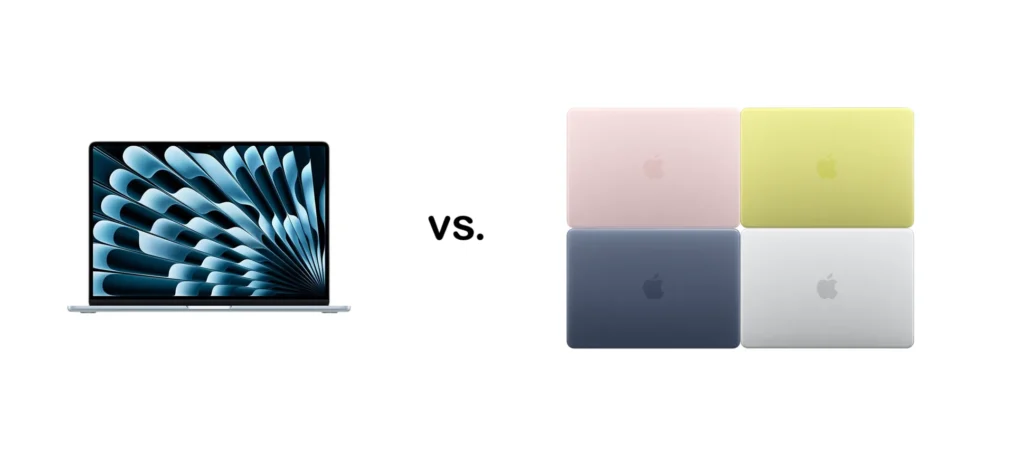
MacBook Air M5 vs MacBook Neo: What are the differences for your next purchase?
Apple has not simply launched a “cheaper” Mac. With the MacBook Neo, the brand is creating a new entry point into macOS at €699, targeted at students, first-time buyers, and anyone considering Chromebooks or budget Windows PCs.
The real question remains: at this price, is it a good Mac or a deliberately limited product designed to protect the MacBook Air?
The Price Match: The Gap is Real, But the Segmentation is Even More So
The MacBook Neo is priced at €699 (256 GB) or €799 (512 GB with Touch ID). Educational versions are available for €599 and €699. The MacBook Air M5, on the other hand, is listed at €1,199, featuring 16 GB of RAM and 512 GB of storage as standard (Apple has increased the entry price, but also improved the base configuration).
What is unprecedented is the clear delineation in pricing: Apple wants the MacBook Neo to be an obvious budget option, while making the Air a “reasonable” choice as usage increases.
The Technical Choice That Changes Everything: A18 Pro vs M5
The MacBook Neo is the first consumer Mac to feature an A-series chip (specifically, the A18 Pro, the chip from the iPhone 16 Pro). This design allows Apple to save on costs, which is adequate for web browsing, note-taking, video calls, and light office work.

However, the MacBook Air M5 operates in a different category: its chip is designed for laptops, with a memory bandwidth of 153 GB/s and a “durable” base (especially with the 16 GB of RAM by default).
The MacBook Neo is not “slow”. Its limitations are by design: it has 8 GB of non-expandable RAM, and a platform intended for daily tasks, not for heavy and prolonged workloads.
Display and Battery Life: Neo Gets the Job Done, Air Offers More Comfort

On paper, the MacBook Neo provides a solid visual experience: 13 inches, Liquid Retina, 500 nits. Apple claims up to 16 hours (video)/11 hours (web), which is impressive for this price. Where the Air maintains an advantage is not just in its raw specifications, but in overall comfort: a better platform, greater performance headroom, and generally more flexibility when you push the machine.
Where Things Get Complicated: The Ports (And It’s Not a Minor Detail)
This is the most significant drawback for the Neo—because it’s concrete, day-to-day, and impossible to “fix”:
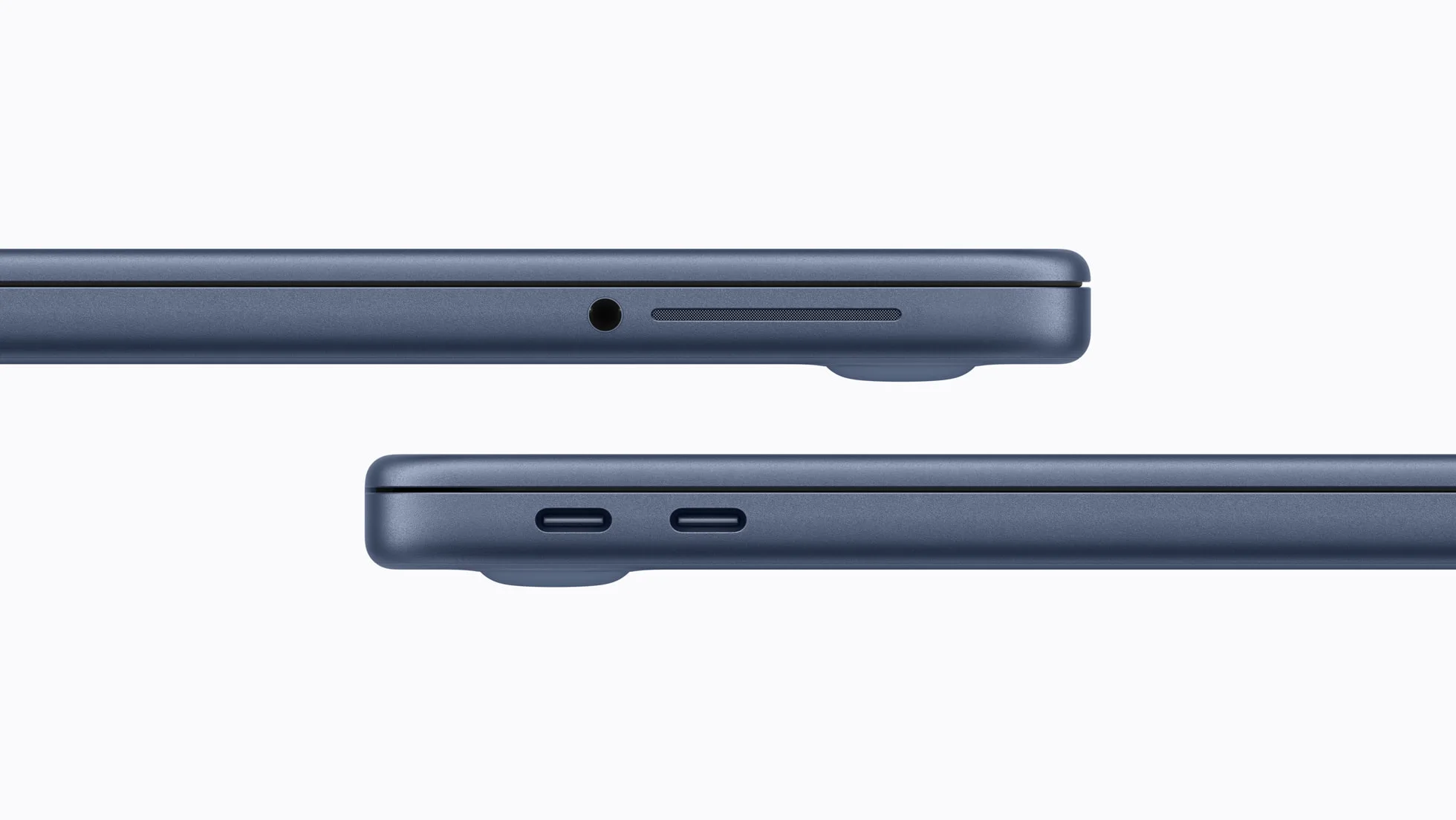
- MacBook Neo: two USB-C ports, but one USB 3 port (10 Gb/s) and one USB 2 port (480 Mb/s). No Thunderbolt support.
- MacBook Air M5: Thunderbolt 4 ports, which are faster and much more versatile for external storage, docks, and multi-monitor use.
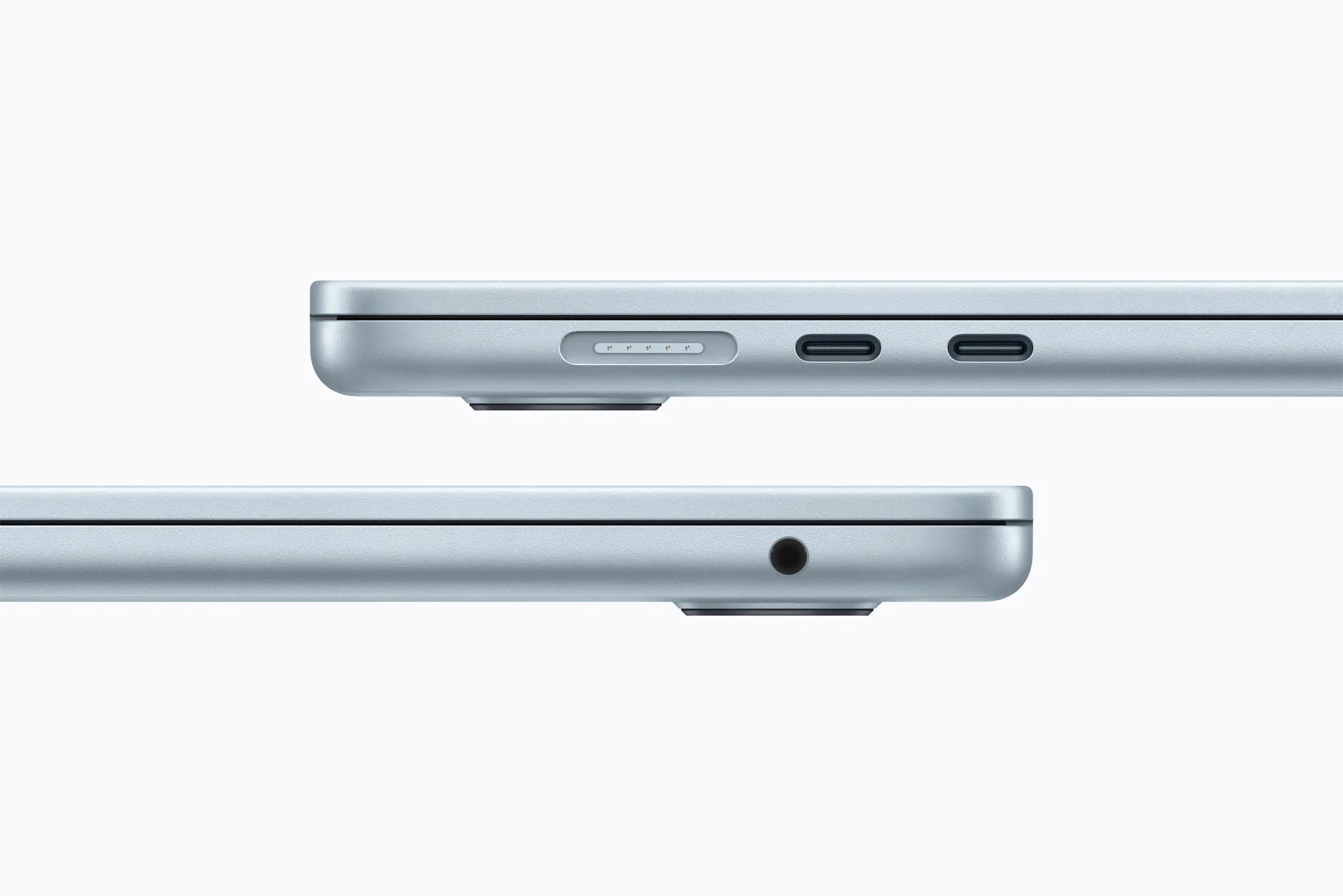
Additionally, this has a direct consequence: the MacBook Neo is limited to one external display in 4K/60 Hz. If you work (even “simply”) with two screens, this type of barrier undermines the economic argument for the Neo, making it a false good deal.
The “Small Cuts” That Illustrate Apple’s Strategy
Apple has also imposed some clear constraints:
- Touch ID is reserved for the 512 GB model (no Touch ID option on the 256 GB version).
- 20W charger provided and charging via USB-C (no MagSafe): it works, but it’s slow and less convenient daily.
- Several media outlets also report a non-backlit keyboard on the Neo—an unexpected choice in 2026, and typically the kind of absence that “pushes” customers towards the Air.
Each compromise can be debated, but together they form a coherent picture: the MacBook Neo is designed to attract, while the MacBook Air is built to last.
So, Neo or Air: Which Should You Buy?
Choose the MacBook Neo if:
- it’s your first Mac (or a “family” Mac),
- you’re a student with usage limited to web browsing, classes, office suites, and streaming,
- you want a simple, lightweight laptop that you won’t connect to many peripherals.

Choose the MacBook Air M5 if:
- you plan to keep the machine for 5 years,
- you use an external monitor (or monitors),
- you do video editing, development, content creation, or serious multitasking,
- you want a buffer against aging (higher base RAM + a more flexible platform).
The summary is simple: the MacBook Neo is an entry-level Mac (excellent in its role), but the Air remains the benchmark Mac as soon as the computer becomes a central tool—the one you connect, charge quickly, keep for a long time, and evolve around.



