

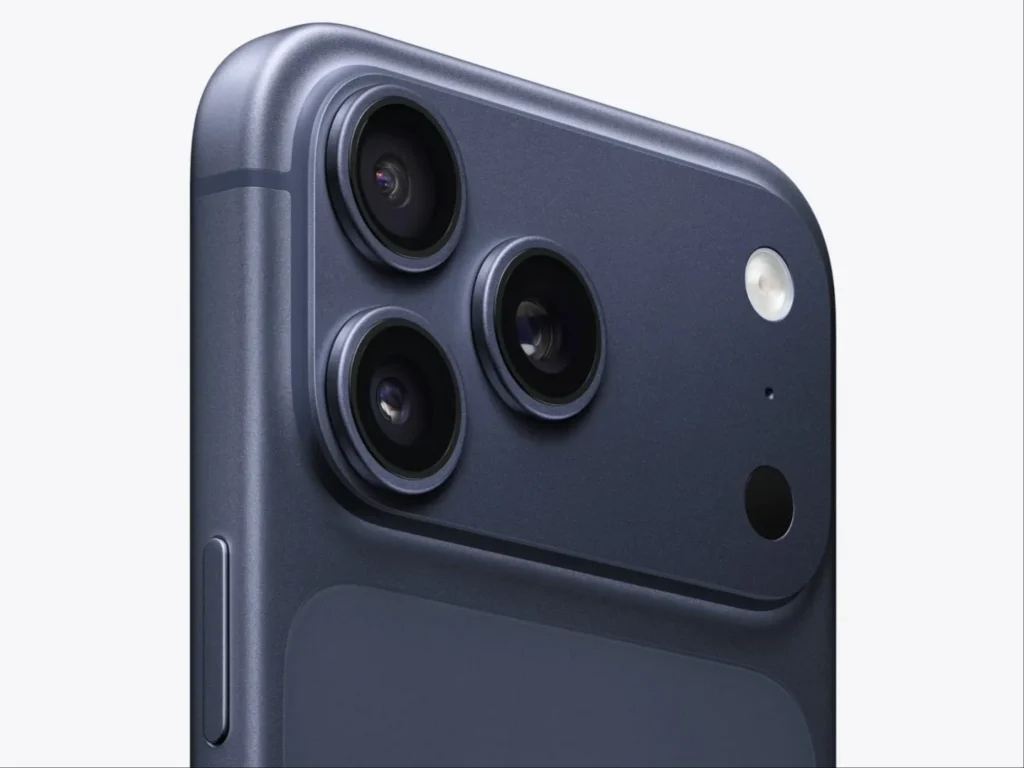
iPhone 18 Pro: Apple may prepare its biggest design change since the iPhone X
Apple is not known for drastically changing the iPhone’s design from year to year. However, according to several reliable sources, significant changes are anticipated for 2026. The iPhone 18 Pro and iPhone 18 Pro Max could feature the most radical aesthetic changes since the iPhone X, both on the front and back.
Expected changes include Face ID under the display, the elimination of the Dynamic Island on Pro models, and a major evolution in the camera system.
Face ID Under The Display: The Impending End Of The Dynamic Island
According to a new report from The Information, Apple is finally testing a fully concealed version of Face ID integrated beneath the OLED display. If this is confirmed, the Dynamic Island, which was introduced with the iPhone 14 Pro, could completely disappear from the Pro models.
This change is not entirely new in the rumors: similar leaks have circulated for several generations, which lends credibility to this information.
An Almost Uninterrupted Display
Apple wouldn’t eliminate all visible openings. The front camera would still be present, but would be relocated to the top left corner and integrated into a much more discreet punch-hole compared to the current central module.
This choice would represent the most significant transformation of the iPhone’s front since 2017, the year of the iPhone X’s launch and the removal of the home button.
A Expected Camera Advancement: Variable Aperture
Apple does not intend to only revise the front of the device. On the back, the iPhone 18 Pro could also see a significant technical leap. According to available information, Apple is working on the integration of a mechanical iris, allowing for a variable aperture on one of the main camera sensors.
A variable aperture would enable better light capture in low-light conditions while preventing overexposure in bright daylight, and taking advantage of new, more efficient sensors.
Until now, Apple has primarily relied on software processing and computational photography. This change would signify a return to physical optics, a territory already explored by some Android competitors.
A20 Pro Chip Designed For Breakthroughs
The iPhone 18 Pro is expected to be launched in September 2026, featuring a new A20 Pro chip. This chip is likely to be fabricated using TSMC’s 2 nm process, a first for Apple. However, the real novelty may lie in the packaging. The RAM would be directly integrated onto the wafer alongside the CPU, GPU, and Neural Engine.
This approach could lead to performance gains, improved energy efficiency, and a reduction in the overall size of the chip.
What Will Happen To The Software Interface?
The potential disappearance of the Dynamic Island raises a crucial question: how will Apple replace this feature, which has become central to iOS?
When it was launched, the Dynamic Island transformed a hardware constraint into a real software asset, enabling dynamic notifications, media controls, and background activities.
If Apple chooses to eliminate it, it is hard to imagine the company leaving that gap without offering a new, equally integrated and coherent interface experience with iOS.
An iPhone At A Strategic Turning Point
If these reports are confirmed, the iPhone 18 Pro could represent a major visual break, a return to visible hardware innovation, and a new phase of maturation in Apple’s design approach.
After several years of cautious evolution, 2026 may very well mark a significant turning point in the iPhone’s history.



