


Huawei prepares for a major launch in Munich with the Watch 6 and nova 16s Pro
Huawei is beginning to unveil its upcoming international event scheduled for September 2, 2026, in Munich. The company will showcase a broad range of products, but two devices are already capturing attention: the Huawei Watch 6 and the nova 16s Pro.
The initial official teasers emphasize two distinct aspects. The Watch 6 aims for a lighter, more comfortable design while enhancing health and sports tracking capabilities. In contrast, the nova 16s Pro focuses primarily on photography, featuring a main sensor announced as 200 megapixels and a new approach to color reproduction.
Huawei Confirms The Watch 6 For September 2
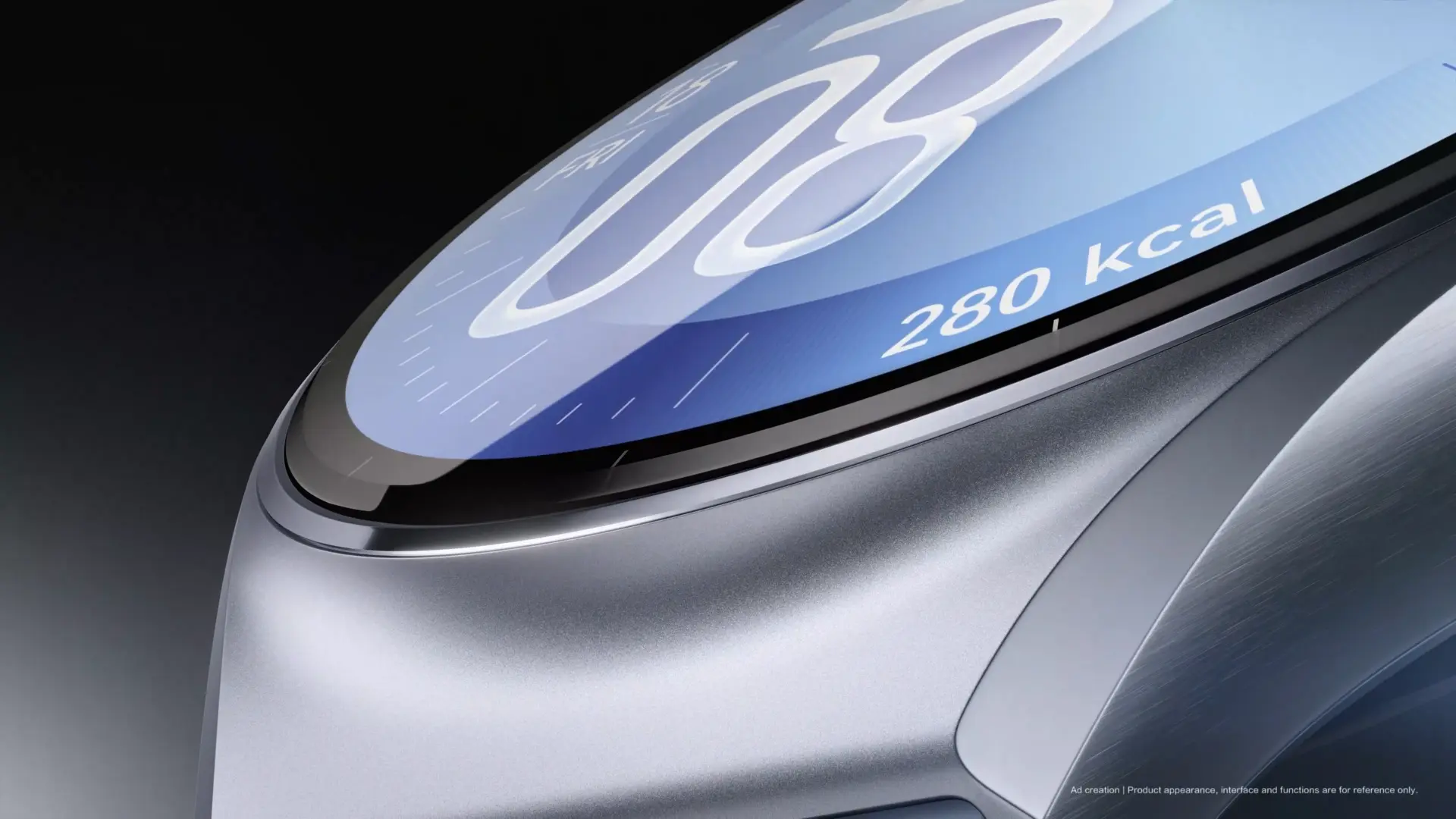
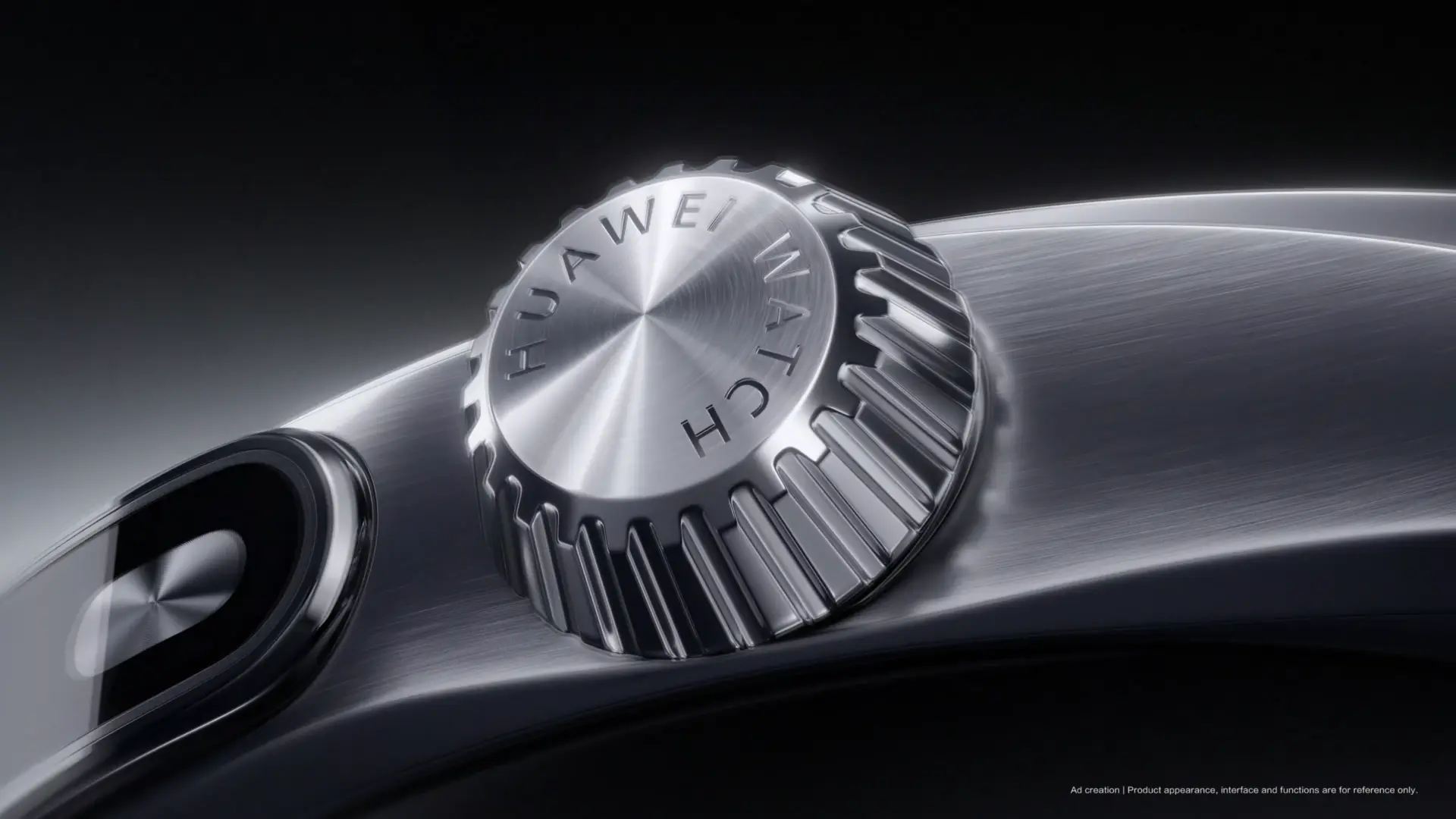
The Huawei Watch 6 will be a highlight of the Munich event. While Huawei remains somewhat coy regarding its full specifications, early communications hint at a revamped design, increased comfort on the wrist, and improved health tracking capabilities.
The company also mentions a greater use of AI for analyzing a wider array of sporting activities.
As the presentation date approaches, it appears that Huawei is prioritizing user experience over a mere increase in specifications. The emphasis on comfort in their messaging is significant, as a smartwatch must be worn continuously to maximize its health, sleep, and activity tracking functions. A highly capable yet heavy or uncomfortable model quickly loses its appeal if the user needs to take it off for several hours a day.
Huawei seems committed to a straightforward equation: the less noticeable the watch is on your wrist, the more complete its data becomes. Therefore, the Watch 6 might place equal emphasis on its ergonomics and its sensors.
Meet the all-new #HUAWEIWatch6. Lightweight and effortlessly comfortable, it sits naturally on your wrist for all-day wear. #HuaweiLaunch pic.twitter.com/QZaGzf9l3C
— Huawei Mobile (@HuaweiMobile) August 27, 2026
The Watch 5 Set A High Standard
The previous generation provides a good indication of Huawei’s direction. The Huawei Watch 5 featured the X-TAP system, which combines multiple sensors and allows users to take certain measurements directly with their fingertip. Users can quickly measure their blood oxygen saturation by placing their finger on the sensor.
The Health Glance feature also allows several health indicators to be grouped into a single measurement sequence, such as heart rate, ECG, heart rate variability, stress, and other data can be aggregated quickly.
The Watch 6 Should Enhance Health Monitoring
Huawei has yet to disclose all the new sensors in the Watch 6. However, the teasers clearly highlight enhanced health monitoring capabilities. The company has become one of the most aggressive players in the medical wearables market, especially with its Watch D range.
The Watch 6 is expected to leverage some of these advancements, although it will likely remain more lifestyle-oriented than a specialized device. The challenge will now be less about adding dozens of measurements and more about better interpreting the data already collected.
AI Is Expected To Analyze More Sports
Huawei also mentions smarter sports analysis using AI. The Watch 5 already offered over a hundred workout modes, including relatively advanced disciplines like golf and freediving. The new generation could further enhance interpretation of movements, effort quality, and personalized recommendations.
This is a general market trend.
Apple, Garmin, Samsung, and Huawei all offer watches capable of measuring vast amounts of data. The next competitive battleground is transforming these figures into genuinely useful advice.
Battery Life Will Remain A Key Selling Point
Huawei has an historical advantage over some competing watches: endurance. Depending on the configuration, the Watch 5 could last several days without a charge. For the larger model, Huawei claimed approximately 4.5 days under standard usage conditions, with even more extended life in power-saving mode.
The Watch 6 will need to at least maintain this level of performance to remain attractive against watches requiring more frequent charging. Thus, any additional AI functions will have to be balanced with energy consumption.
The Watch GT 7 Will Also Be Present
The Watch 6 won’t be alone. Huawei is also set to unveil the Watch GT 7 series, aimed at those looking for more sports and battery life. The first teasers indicate that Huawei intends to expand sporting modes and continue developing support for outdoor activities.
The GT family has become particularly important for Huawei, occupying a more accessible segment than the main Watch line while retaining much of the health functionality.
The company appears to be covering various user profiles at the same event.
The Watch D3 Will Continue Blood Pressure Monitoring
An additional anticipated product is the Huawei Watch D3. This family stands out for its ability to measure blood pressure directly from the wrist using specialized hardware. The new generation is expected to adopt a slimmer design and larger screen while enhancing this functionality.
A lighter feel for everyday wear. With a slimmer design, larger screen, and soft straps, the #HUAWEIWATCHD3 brings greater comfort to blood pressure management. pic.twitter.com/oLXDSaORdJ
— Huawei Mobile (@HuaweiMobile) August 28, 2026
However, Huawei has yet to detail all its upcoming innovations. The Watch D3 will likely remain the most health-focused model in the Munich lineup.
The nova 16s Pro Focuses On A 200 Megapixel Sensor
On the smartphone side, it’s the nova 16s Pro that is starting to make waves. Huawei is clearly focusing its messaging around photography for this smartphone, which is said to feature a main sensor of 200 megapixels, a particularly high resolution for this range.
However, pixel count isn’t the only selling point on offer.
Ride the waves and turn heads. Inspired by carefree days by the water, the #HUAWEInova16s Series brings a fresh, bold look to your everyday aesthetic. #StandOutPortrait #HuaweiLaunch pic.twitter.com/cZymuUdViw
— Huawei Mobile (@HuaweiMobile) August 28, 2026
Huawei emphasizes its RYYB color filter system, designed to enhance light collection and color reproduction.
The RYYB Approach Remains A Huawei Signature
Huawei has long employed sensor architectures different from traditional RGB. The RYYB principle replaces some traditional green elements with yellow to allow more light to pass through. This approach can enhance performance in challenging lighting conditions but also requires precise software processing to reconstruct colors accurately.
Huawei has years of experience in this area.
The nova 16s Pro is expected to leverage this technology to focus more on color fidelity and portraits.
Even The Selfie Camera Will Benefit From Color Processing
Huawei also plans to apply this philosophy to the front camera, aiming for a more cohesive appearance between photos taken with the rear sensors and selfies. This is particularly relevant for a nova range historically focused on portraits and social media.
The ability to maintain consistent skin tones across different cameras may prove more crucial in daily use than merely increasing resolution. Huawei appears to be turning color into a differentiating factor.
Portrait Photography Remains The Focus Of The Nova Range
For several generations, the nova series has positioned itself around portrait, design, and social photography. The nova 16s Pro is unlikely to deviate from this formula. The 200-megapixel resolution could improve cropping and detail, but the processing of faces, skin tones, and backgrounds will likely be far more crucial to the final outcome.
Huawei already enjoys a solid reputation in mobile photography, particularly with its Pura and Mate series.
The question will be how much of this expertise now extends to the nova range.
Munich Will Host More Than Just Two Products
The event on September 2 is set to be particularly packed. In addition to the Watch 6, Watch GT 7, Watch D3, and nova 16s, Huawei is also expected to unveil new tablets and audio products. The FreeBuds Neo are among the devices already mentioned.
Ready to embrace new sound? #HUAWEIFreeBudsNeo #HuaweiLaunch pic.twitter.com/xdZuPyU6cU
— Huawei Mobile (@HuaweiMobile) August 28, 2026
A new MatePad is also anticipated.
Huawei is thus preparing for a cross-category launch that covers multiple segments rather than just a smartphone-focused event. This reflects the brand’s evolution, increasingly emphasizing its complete ecosystem.
Huawei Aims To Rebuild A Global Premium Ecosystem
This proliferation of devices is not merely about expanding the catalog. For several years, Huawei has been working to create a cohesive experience across smartphones, tablets, smartwatches, audio products, and computers.
This strategy is akin to those of Apple or Samsung: each device gains value when it works harmoniously with others. A watch can transfer its data to a phone, earbuds can switch between devices, or a tablet can serve as an additional screen or tool. This level of integration allows major brands to retain users well beyond single products.
Wearables Have Become A Major Force For Huawei
The connected watch category is particularly strategic. Even in markets where its smartphones face constraints due to software or commercial challenges, Huawei remains highly competitive in wearables.
These watches require less dependency on Google services and prominently feature hardware, health, sports, and battery life—precisely the areas where Huawei excels.
The Watch 6 could become a vastly more significant global product for the company than just an accessory for its smartphones.
The Nova 16s Pro Takes A Different Approach
The smartphone is in a different position. Huawei needs to continue convincing users outside China despite the known limitations regarding Google services in some markets. Photography remains one of its best differentiation leverages. A sufficiently distinctive photo experience can make a device appealing despite a more complicated software ecosystem for some international users.
The nova 16s Pro appears to be employing this strategy: offering an immediately recognizable visual selling point rather than competing solely on raw power.
At this stage, many details remain unverified. Huawei has not yet revealed the exact battery life of the Watch 6, its internal platform, all of its sensors, or the various formats. The same goes for the nova 16s Pro, as its processor, battery, charging, and international availability are still to be clarified. The teasers fulfill their purpose: to outline the key aspects before the full presentation.
And these outlines are already clear. The Watch 6 aims to be more comfortable to wear and smarter in interpreting health and sports data, while the nova 16s Pro seeks to make color and portraits its primary expression.
On September 2 in Munich, Huawei must now turn these promises into products capable of standing out in two already highly competitive markets.



