Google Wallet becomes compatible with TSA PreCheck Touchless ID, outpacing Apple
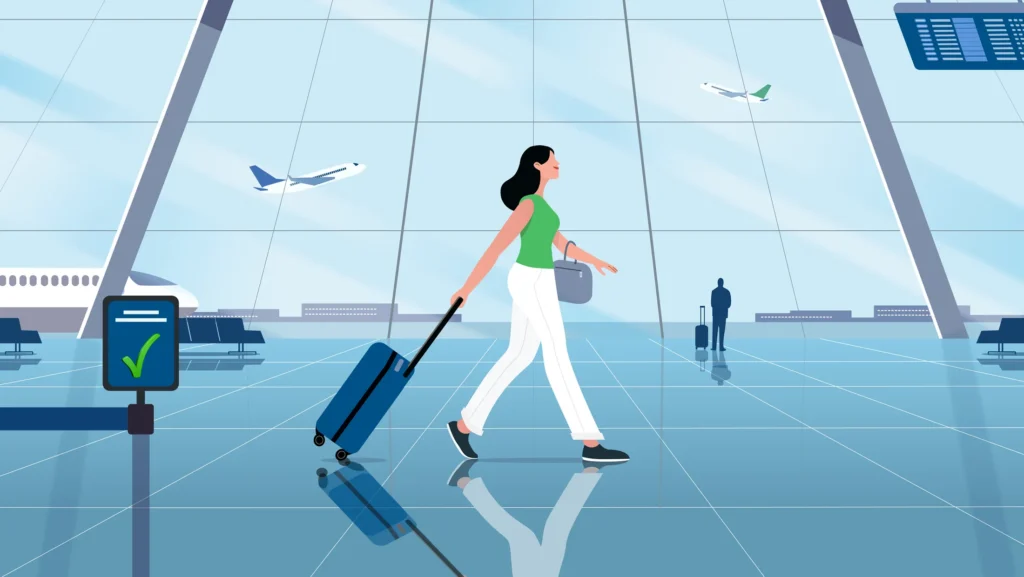
Security checks at U.S. airports may soon become a bit less cumbersome for frequent travelers. Google has announced a major integration between Google Wallet and the TSA PreCheck Touchless ID program, allowing eligible passengers to pass through security using facial recognition, without needing to present a physical ID.
With this initiative, Google Wallet becomes the first digital wallet to partner directly with the Transportation Security Administration (TSA) for its biometric verification program. This advancement places Google ahead in the race for digital identities, surpassing Apple Wallet and other competing solutions.
An Experience Without ID or Boarding Pass
The concept is straightforward: after registering a U.S. passport in Google Wallet and activating TSA PreCheck Touchless ID, travelers no longer need to take out their ID or boarding pass at participating checkpoints.
At the airport, a secure facial recognition system verifies the passenger’s identity using the information stored on their smartphone. Once validated, the security check is completed almost instantly.
Previously, the Touchless ID program already operated in select U.S. airports but required separate registration with each participating airline. With the integration of Google Wallet, only a single activation is now needed for all compatible airlines.
More Than 100 Airlines Included
According to Google, the program now covers over 100 partner airlines. This feature is especially beneficial for frequent travelers who will no longer have to repeat the biometric registration process with each new reservation.
The experience thus becomes much more streamlined: once set up, Google Wallet serves as a centralized digital passport for domestic travel compatible with TSA PreCheck.
Apple and Samsung Lag Behind
This announcement also highlights the relative lag of some competitors. While Apple Wallet already allows storage of digital identities in several U.S. states, Apple is not yet an official partner of the TSA PreCheck Touchless ID program. Consequently, iPhone users cannot benefit from this integrated biometric experience.
Samsung has recently made strides in this area through digital passport features, but those rely primarily on the CLEAR ecosystem rather than the TSA’s official program.
For now, Google maintains a strategic advantage in the direct integration of digital identity and airport security control.
A Matter of Convenience… But Also Trust
As is often the case with biometric technologies, the question of privacy remains central. Google clarifies that identity data remains encrypted on the device, and no information is transmitted to the TSA without explicit user consent. Sharing always requires unlocking the smartphone and granting active permission before each use.
The company aims to reassure users while demonstrating that a simplified experience does not necessarily compromise security guarantees.
How to Activate TSA PreCheck Touchless ID with Google Wallet
Activation is relatively simple for eligible travelers:
- Add a U.S. passport to Google Wallet.
- Register your boarding pass in Wallet after flight check-in.
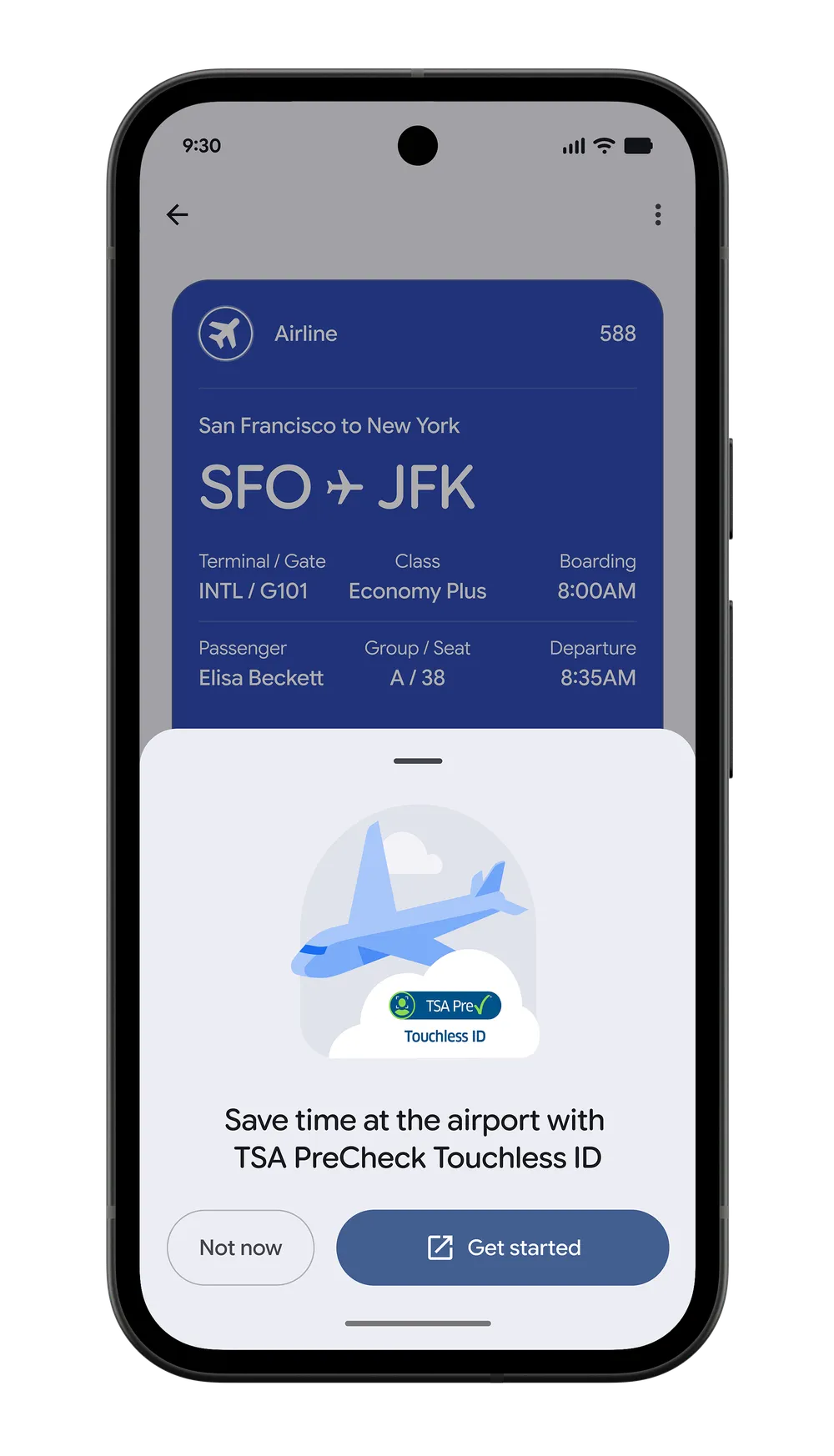
- Select the “Get Started” option displayed on the boarding pass.
- Allow temporary sharing of the necessary information with the TSA.
- Confirm the appearance of the “Touchless ID” badge before heading to the airport.
Once these steps are completed, travelers can utilize the dedicated TSA PreCheck Touchless ID lines at compatible airports.
An Additional Step Towards a Universal Digital Wallet
Beyond mere convenience at airports, this announcement illustrates a much larger ambition. Google Wallet is gradually transitioning from a payment app to a comprehensive digital identity platform capable of centralizing bank cards, travel documents, passports, driver’s licenses, and now biometric security processes.
As governments and transportation agencies adopt these technologies, the smartphone could become the primary form of identification used daily.
The airport is likely just the beginning.