

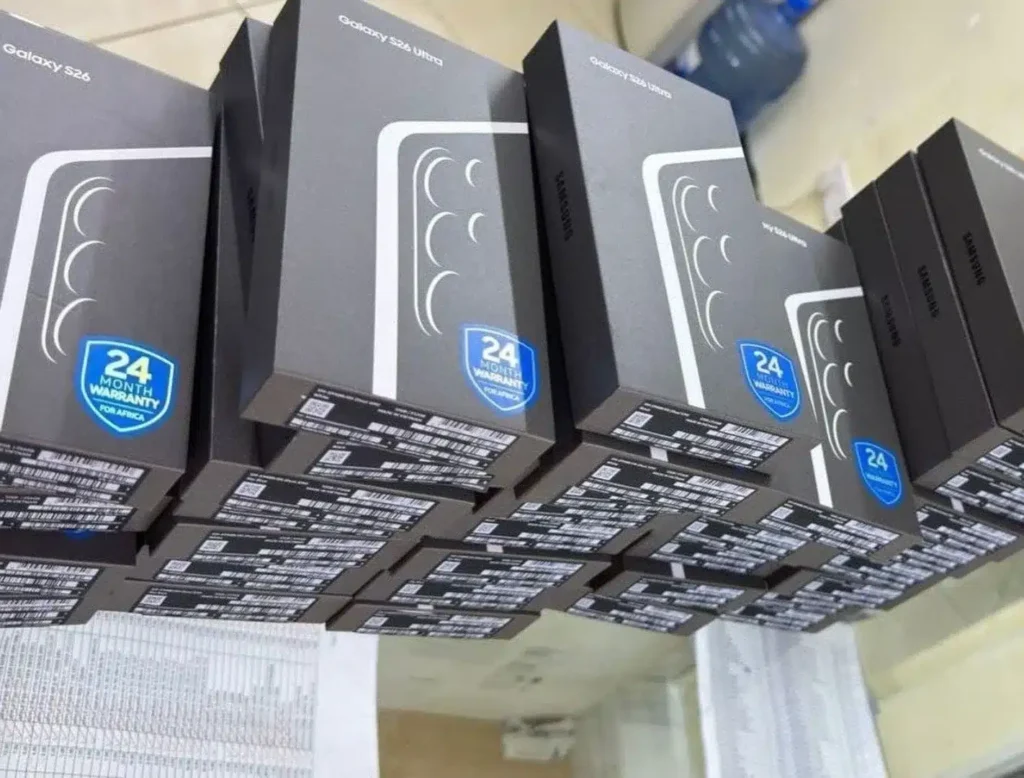
Galaxy S26 Ultra: Why Is Samsung Producing 3.6 Million Units Despite the Crisis?
Samsung may not have many surprises left to reveal on stage, but it still has a decisive lever behind the scenes: production. According to a Korean report, Samsung is increasing the initial production volume of the Galaxy S26 Ultra— not necessarily anticipating record demand, but because the economics of components are already changing the rules of the game.
Samsung is raising the initial volume of the Galaxy S26 Ultra from an estimated “2 million” to “3 million” units, set against a backdrop of inflation, specifically the persistent rise in memory costs (DRAM/NAND) affecting all hardware, from PCs to smartphones.
This move can serve several concrete objectives:
- Securing supply: The earlier you reserve memory batches, the lower the risk of facing steep prices when demand surges (and when suppliers prioritize more “predictable” customers).
- Stabilizing the average cost: By committing to a larger volume from the start, Samsung can negotiate better, better spread certain fixed costs (logistics, quality control, industrial ramp-up) and reduce volatility unit by unit.
- Avoiding a “launch” shortage: The Galaxy S26 Ultra sets the premium perception and drives the storytelling. A stockout of the Ultra model is the worst-case scenario for brand image, especially when the market is already sensitive to pricing.
This Is Not Necessarily a Sign of Commercial Success for the Galaxy S26 Ultra
It’s tempting to read “increased production” as “increased sales.” However, the 2026 context muddies that interpretation. We are in a period where memory prices are escalating due to demand from AI and data centers—and where DRAM/NAND manufacturers (Samsung, SK Hynix, Micron) are balancing their capacities. This uncertainty may persist until 2027/2028, according to various industry players.
In this context, raising the initial volume may be a defensive decision: to protect its margins, reduce supply chain risk, and avoid having to “pay a premium” during the launch window.
Why Does the Report Focus on the Ultra Model Instead of the Galaxy S26/S26+?
The fact that leaks/reports focus on the Galaxy S26 Ultra aligns with the product strategy in Europe and elsewhere: Samsung sells volume through the A series, but builds its reputation through the Ultra. And if costs rise, it’s on the Galaxy S26 Ultra that Samsung can more easily absorb (or pass on) some of the increases without destabilizing the entire range.
Other Korean sources and business press are already mentioning pricing pressure in 2026 (notably in Korea) due to component costs.
The Real Risk: Overproducing and Having to “Subsidize” Later
The downside is inventory. If Samsung overestimates demand for the Ultra, it will have to compensate with more aggressive bundles (storage, accessories), quicker promotions, and overvalued trade-ins. This is precisely what Samsung excels at—but it can degrade the perception of a “premium” price if discounts come too early.



