

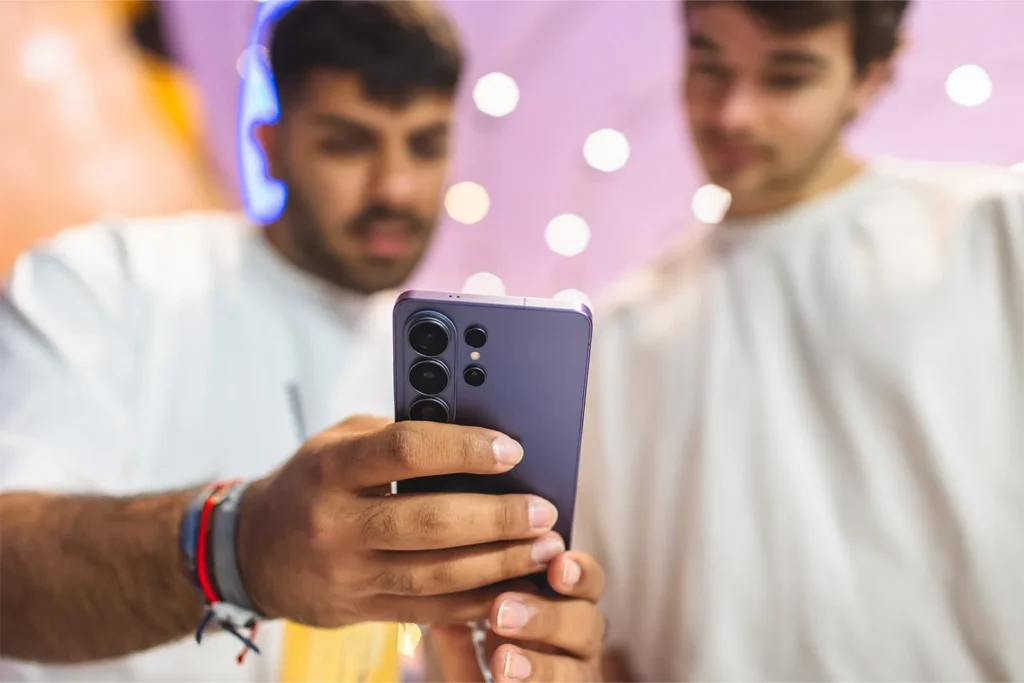
Galaxy S26: Samsung sets pre-order records driven by a dominant ‘Ultra’ model
Two weeks after its unveiling, the Galaxy S26 series appears to be making a strong entry into the U.S. market. In a press release published on March 10, 2026, Samsung stated that pre-orders in the United States are significantly up compared to the previous generation, highlighting a notable trend: demand is predominantly driven by the Galaxy S26 Ultra, which has become the true leader of the lineup.
Galaxy S26: Rising Pre-Orders, With Ultra Capturing the Majority
According to Samsung, pre-orders for the Galaxy S26 series in the U.S. have increased by nearly 25% compared to the Galaxy S25 series, accounting for sales via Samsung.com, carriers, and major retailers.
Even more revealing is the fact that the Galaxy S26 Ultra accounts for approximately 80% of U.S. pre-orders. This striking ratio highlights how the premium market is currently responding: when innovation is perceived to be focused on the highest-end model, the mid-range premium segment becomes harder to justify.
Carriers and Retail: Mass Market Channels Surge
Samsung emphasizes a particularly strong dynamic from carriers: pre-orders through major U.S. carriers have surged by over 70% compared to the Galaxy S25 generation. Similarly, at retailers like Best Buy, Samsung reports that pre-orders have more than doubled compared to last year.
These figures are strategic, suggesting that the appeal is not limited to fans buying directly but is also gaining traction through high-volume channels such as contracts, trade-ins, bundles, and promotions in stores.
In its home market, Samsung claims 1.35 million pre-orders for the Galaxy S26 series, a record for the Galaxy S lineup, achieved in just 7 days according to local media.
Again, the hierarchy is clear: the Galaxy S26 Ultra accounts for around 70% of pre-orders in South Korea.

A “Top-Heavy” Range That Highlights Strategy (and Risk)
This launch reveals two key insights:
- The premium market is thriving… when perceived as “truly premium”: The fact that the Ultra model captures 80% of U.S. pre-orders sends a strong message: some consumers prefer to pay a premium price for the model that embodies the most innovations rather than opting for a more “reasonable” version that seems less distinctive.
- Samsung bets on an Ultra halo: While the Ultra model elevates the brand, it could also backfire by diminishing the desirability of other models and making them more reliant on promotions and carrier bundles. In short, Samsung gains perceived value at the high end but must carefully manage the economic balance of the rest of the lineup.
The real test will come after the pre-order window closes, as volumes stabilize and pricing/stock/promotion decisions take precedence. However, at this stage, Samsung has achieved what it aimed for: visible traction and a straightforward narrative to communicate.



