

Firefox 149 : Mozilla integrates a free 50 GB VPN starting March 24
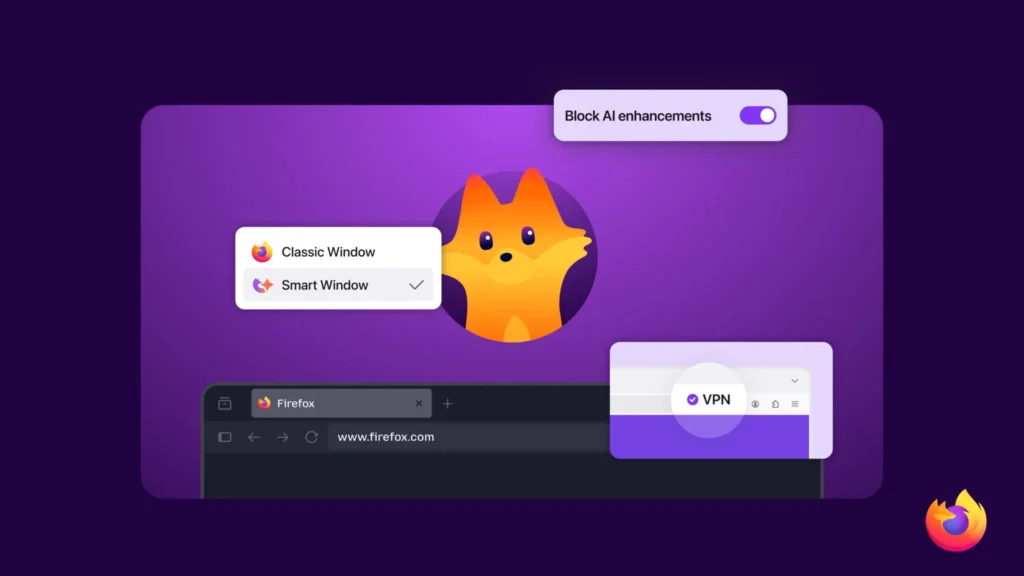
Mozilla is preparing for one of the most noticeable changes in Firefox this year: an integrated VPN directly in the browser, launching with Firefox 149. The concept is appealing—a single button, no extensions, and browsing that masks your IP—and it will be available starting tomorrow.
However, as is often the case with security, the details matter: this “VPN” does not have the same scope as a full system service, and its roll-out will take place gradually… and partially.
A native integration in Firefox, designed for “zero friction”
Mozilla describes a feature that routes Firefox browsing traffic through infrastructure managed by Mozilla, hiding the IP address (and thus part of the location) without requiring additional downloads.
At this stage, Mozilla refers to it as a beta/experimental function: it will be free but available only to a randomly selected small group of users for a limited time (part of a large-scale testing strategy).
50 GB per month… but initially only in four countries
On the generosity front, Mozilla has made a significant offer: there is a free quota of 50 GB per month announced for this integrated VPN. However, its launch is geographically limited to the United States, France, Germany, and the United Kingdom for now.
What this VPN changes (and what it doesn’t)
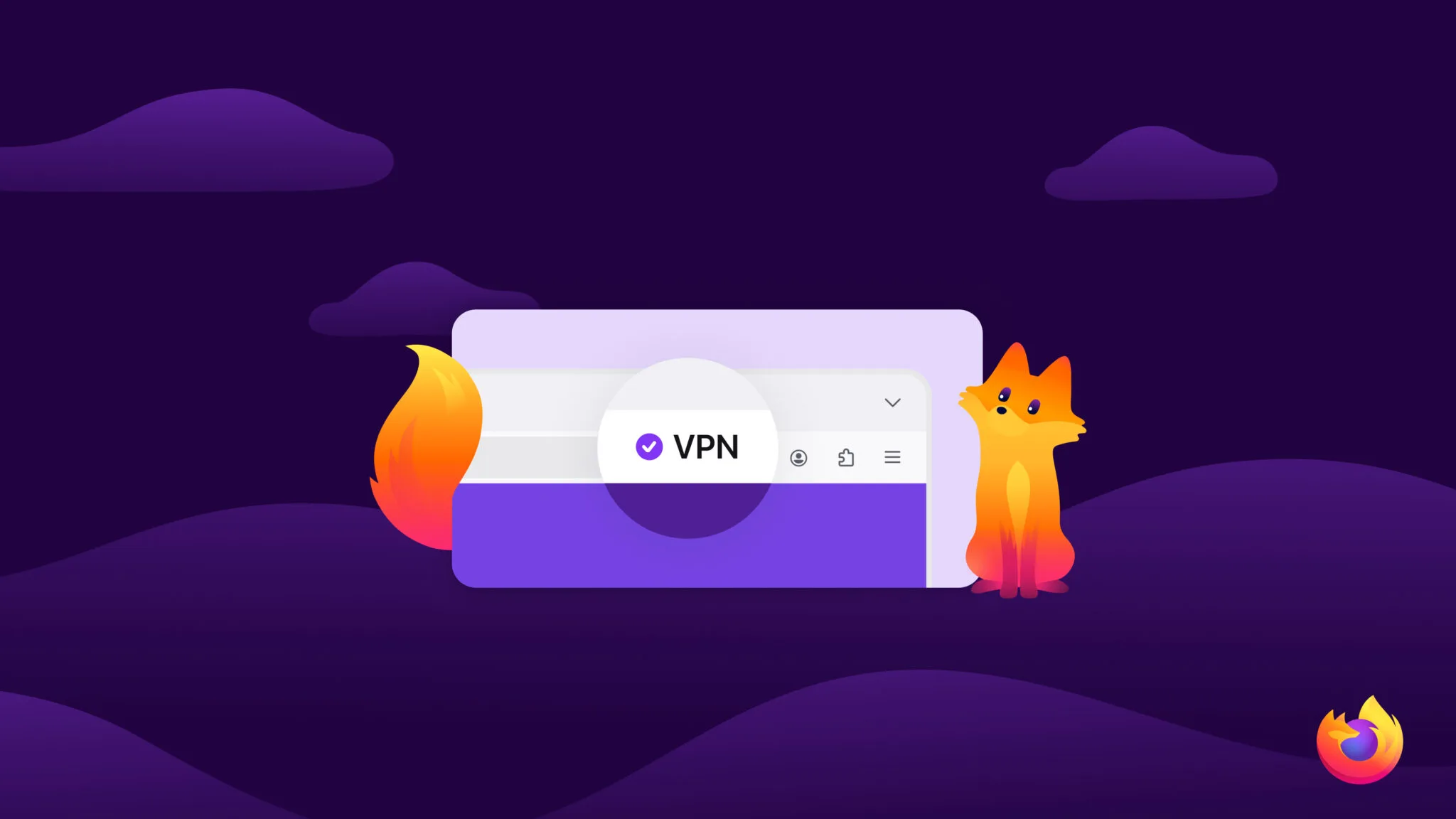
This is where expectations need to be calibrated. The arrival of the VPN will allow you to protect your traffic in Firefox: masked IP, an extra layer of protection while browsing.
Nevertheless, it does not replace a “system” VPN: the paid Mozilla VPN protects the entire device (apps, services, etc.). The “integrated VPN” is a browser-centric tool that is more straightforward and immediate—but less universal.
Additionally, there is a ceiling: 50 GB is ample for many web uses but may not suffice for heavy downloaders or those who constantly stream.
Several observers have noted that Mozilla sometimes employs “VPN” terminology for a solution that resembles, in practice, an IP protection/web traffic proxy routing—useful, but should not be confused with complete privacy across the device.
A duo with the Sanitizer API: proactive security for the web
Mozilla is not just focused on the “VPN” aspect. In the same update, the company highlights the Sanitizer API, a web standard aimed at reducing certain types of attacks (especially those related to the injection of untrusted HTML) before they reach the user. Firefox is positioning itself as one of the first browsers to implement this.
The strategy is quite clever: offering “good by default” privacy without requiring users to understand VPNs, DNS, split tunneling, and other complexities. By providing a free quota, Mozilla also directly counters the stereotype of “dubious free VPNs”—while keeping a pathway towards a more comprehensive paid offer.
The pressing question remains: trust and transparency. As this integrated VPN becomes more widespread (if Mozilla chooses to expand it), users will seek straightforward answers: what technical data is being collected, how long is it retained, and for what purpose. Mozilla is already framing the experience as a limited test—implying that the final form may evolve rapidly.



