

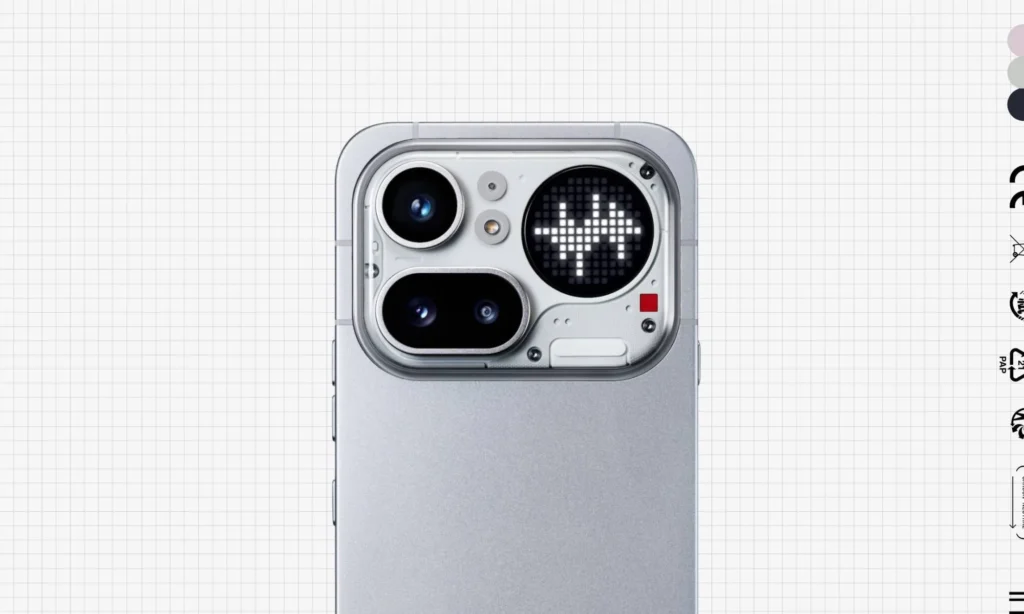
Carl Pei warns: Nothing smartphones are going to cost more, and RAM is the main reason
If you were hoping for a price drop before upgrading your smartphone, Carl Pei has a clear message: you may need to reconsider. The co-founder of Nothing believes that the significant rise in memory costs will continue to impact the mobile market, leading to pricier smartphones in 2026 and likely into 2027.
RAM Becomes The Most Expensive Component
According to Carl Pei, memory now accounts for more than 50% of the total hardware cost of a smartphone. In previous years, the most expensive components were often the OLED display, processor, or camera modules. However, the explosion of artificial intelligence has disrupted this balance.
Data centers dedicated to AI consume vast amounts of memory, limiting the supply available for smartphone manufacturers.
Memory is now the most expensive component in a smartphone. It’s more expensive than the processor, more expensive than the display, and can account for more than 50% of the total hardware bill.
For Phone (4a), memory costs doubled between when we decided to build the device and… https://t.co/4dJdSDwd6T
— Carl Pei (@getpeid) June 12, 2026
Nothing Directly Affected
Pei cites the example of the Nothing Phone (4a). Between product approval and launch, the cost of memory reportedly doubled and has since doubled again. For a brand like Nothing, which positions itself with an aggressive price-quality ratio, such price hikes can disrupt the entire economic viability of a device.
Carl Pei believes that this pressure will not dissipate anytime soon.
Entry-level smartphones, mid-range models, and even some compact devices like mini-PCs are already experiencing price increases or the disappearance of lower-cost configurations.
The message is clear: year-end sales could be much less appealing than expected.
The Impact Of AI On Device Pricing
This situation highlights how AI is not only transforming software but also reshaping the entire global hardware supply chain. The same memory chips that support AI data centers are now making smartphones more costly to produce.
For consumers, the direct consequence is evident: waiting may no longer mean paying less.



