

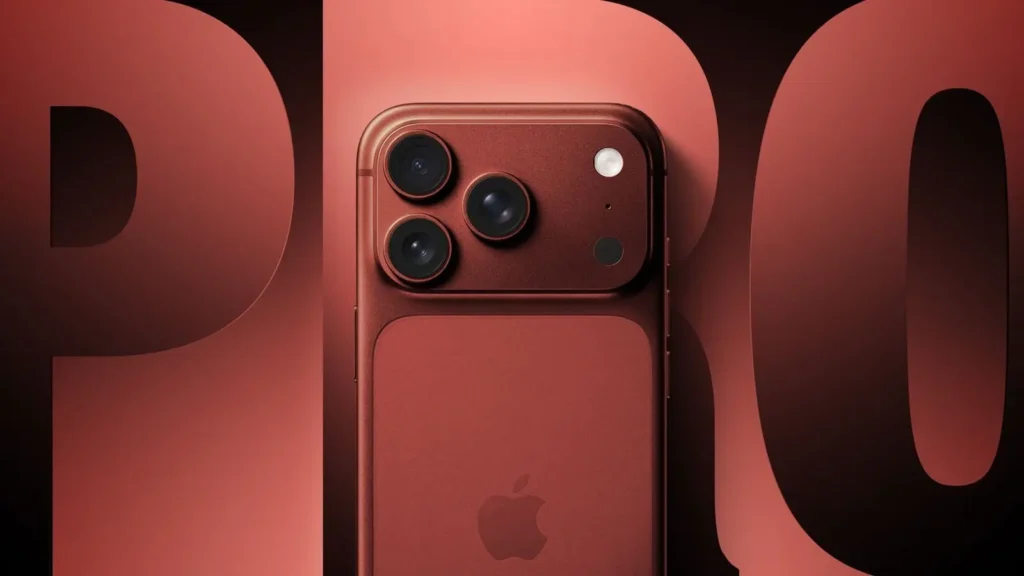
Apple negotiating cheaper OLED screens to limit price increase for iPhone 18 Pro
Apple is reportedly seeking to control the price increase of its upcoming iPhone 18 Pro models without compromising performance. According to a new leak from South Korea, the tech giant is putting significant pressure on its OLED screen suppliers to secure historically low prices. This strategy unfolds amid a rising cost for components, particularly memory.
If successful, these negotiations could help Apple offset some of the increased production costs associated with its next premium smartphones, although a price rise remains possible.
Apple Seeks Unprecedented Discounts on OLED Screens
According to a report published by the Korean media The Elec, Apple is currently negotiating prices for the OLED displays intended for the iPhone 18 Pro and iPhone 18 Pro Max. For the Pro Max model, Apple hopes to pay around $70 per screen, a figure that may still be negotiated lower.
Industry estimates suggest that Samsung Display and LG Display could eventually supply these panels at an average price of approximately $66.50 each.
This would represent a nearly 20% reduction compared to the cost of OLED screens used in the iPhone 17 Pro Max.
Cheaper Screens… But Better Performance
This cost reduction would not imply a decline in quality. On the contrary, the iPhone 18 Pro is expected to feature the latest generation of OLED panels utilizing the M16 organic material developed by Samsung Display.
This technology promises several enhancements: improved brightness efficiency, extended lifespan, more accurate color reproduction, and optimized energy consumption.
In other words, Apple aims to leverage the gradual decrease in OLED screen production costs rather than opt for lower-quality components.
A Strategy to Compensate for Rising Memory Costs
Apple’s primary goal lies elsewhere. The entire industry has been facing a dramatic increase in RAM prices for several months, a trend that severely impacts the manufacturing costs of high-end smartphones.
Various manufacturers are now attempting to mitigate this inflation by renegotiating other critical components, such as screens, camera modules, and certain elements within the supply chain.
Apple has previously faced similar challenges during negotiations with memory suppliers without achieving the desired price cuts. Therefore, OLED screens represent a new avenue to protect its profit margins.
Prices for iPhone 18 Pro Remain Uncertain
Despite these efforts, there is no guarantee that any savings will be passed on to consumers. Several rumors continue to suggest a noticeable price increase for the next generation.
Some leaks indicate a starting price of $1,299 for the iPhone 18 Pro and $1,399 for the iPhone 18 Pro Max. If confirmed, both models would cost approximately $200 more than their predecessors.
Apple has, of course, not confirmed any pricing at this stage.
Samsung Display and LG Display Remain Key Partners
Despite this pressure on prices, Apple will continue to heavily rely on its two main suppliers. According to estimates from UBI Research, Samsung Display is expected to produce around 46 million OLED panels for the iPhone 18 lineup, while LG Display is set to provide nearly 41 million.
These volumes highlight the strategic importance of these partnerships, even amidst particularly tight negotiations.
Apple Primarily Aims to Maintain Economic Balance for Future iPhones
This leak illustrates the new challenges faced by premium smartphone manufacturers. Innovation alone is no longer sufficient; controlling production costs has become a critical strategic issue. By seeking to reduce the price of its OLED screens while retaining the most advanced technologies, Apple is working to mitigate the impact of persistent inflation on essential components like memory and chips.
It remains to be seen whether these savings will suffice to avoid a price increase for the iPhone 18 Pro. Even though a few dozen dollars might seem insignificant at the scale of a device sold for over $1,000, their impact becomes substantial when multiplied across tens of millions of units. Apple’s strategy illustrates that every component is now crucial in the battle to preserve margins without compromising user experience.



