

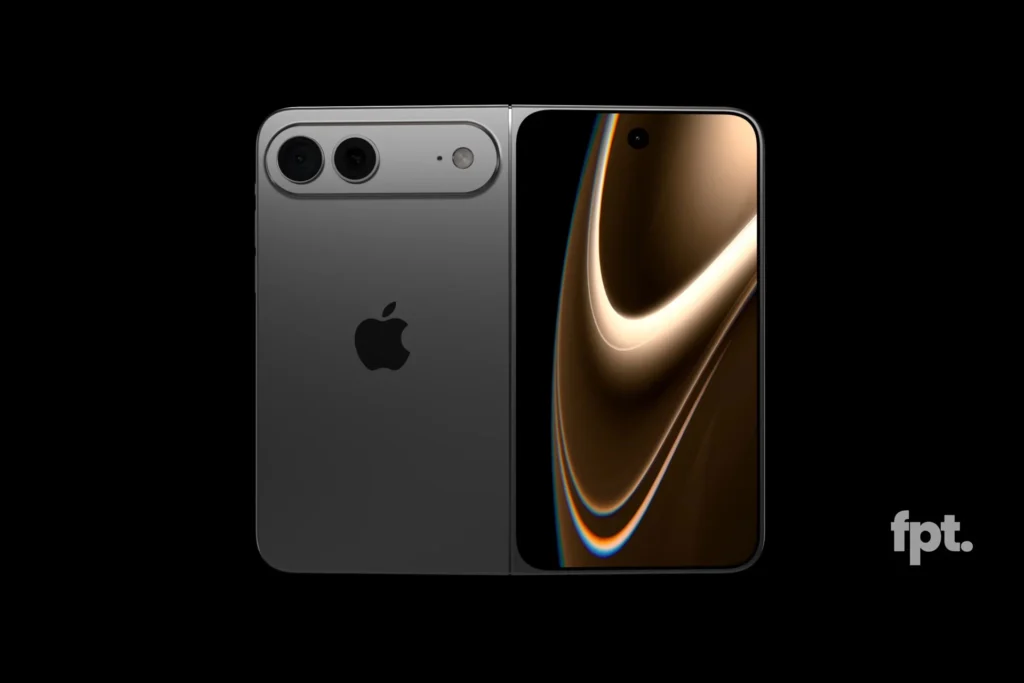
Apple Launches Mass Production of Its Foldable iPhone, Foxconn Hires on a Large Scale
Apple’s first foldable iPhone, known as the iPhone Ultra, seems to have reached a crucial milestone. As rumors of a launch in September increase, new reports from the supply chain indicate that mass production is now underway. To meet production demands, Foxconn has reportedly initiated a large-scale recruitment drive at its main manufacturing facility in China.
Beyond the production volumes, it is the speed at which staff are being added that exemplifies Apple’s ambitious goals for its forthcoming foldable smartphone.
Foxconn Increases Hiring to Support Production Ramp-Up
According to a report by Mydrivers, Foxconn’s site in Longhua, Shenzhen, has launched a major recruitment campaign to support the manufacturing of the upcoming foldable iPhone, often referred to as the “iPhone Ultra” in rumors.
The company is looking for temporary, seasonal workers who are paid hourly, with contracts running from July to October. This timeframe suggests that industrial production is well underway and that Foxconn is preparing to accommodate the anticipated manufacturing surge before the commercial launch.
The report also discusses the conditions offered to new employees. Hourly wages are between 22 and 26 yuan (approximately $3.20 to $3.80), while full-time employees would start with a monthly salary of around 2,600 yuan, increasing to nearly 2,950 yuan after a probationary period. Overtime, performance bonuses, and night shift allowances could further enhance this pay.
Another telling detail is that some temporary workers could be hired immediately, bypassing standard medical procedures, indicating that Foxconn aims to strengthen its assembly lines as quickly as possible.
Production Progressing Well
While Apple has not confirmed any details regarding its first foldable smartphone, several industry analysts believe that the product development has largely been finalized.
According to supply chain information, the industrial design has been set for several weeks, paving the way for ramping up production ahead of an expected presentation in September.
Based on previous estimates from analyst Ming-Chi Kuo, Apple has asked its partners to prepare to produce up to 10 million units. However, only 500,000 to 1 million of those are expected to be sold during the third quarter of 2026, with the remainder slated for gradual availability between October and December.
This strategy would enable Apple to secure inventory while adjusting production according to demand, an approach already used during the launch of several major products.
A Premium Launch, Yet An Industrial Reality That Raises Questions
Rumors converge on a particularly high-end positioning. The first foldable iPhone may be priced between $2,000 and $2,500 in its base version with 256 GB of storage.
This contrast is already sparking debate. On one hand, Apple appears poised to release one of the most expensive smartphones ever launched. On the other hand, reports indicate production relying on workers compensated less than four dollars an hour, even if actual earnings can be boosted through overtime and various bonuses.
It is important to note that these figures refer to wages paid by the subcontractor Foxconn in China, not directly by Apple.
Apple Prepares to Enter a Highly Competitive Market
The launch of the first foldable iPhone represents more than just a new model. Apple is entering a segment dominated for years by Samsung, Huawei, Honor, OPPO, and Vivo, all of which have already introduced multiple generations of foldable smartphones.
Rather than being the first, Apple seems to adopt a proven strategy: waiting for the technology to mature before offering its own interpretation. The massive increase in production suggests that the company anticipates significant demand, even if initial volumes are likely to remain relatively limited compared to traditional iPhones.
The key challenge will now be whether Apple can convince consumers that a foldable smartphone priced over $2,000 offers enough value to justify such an investment.



