

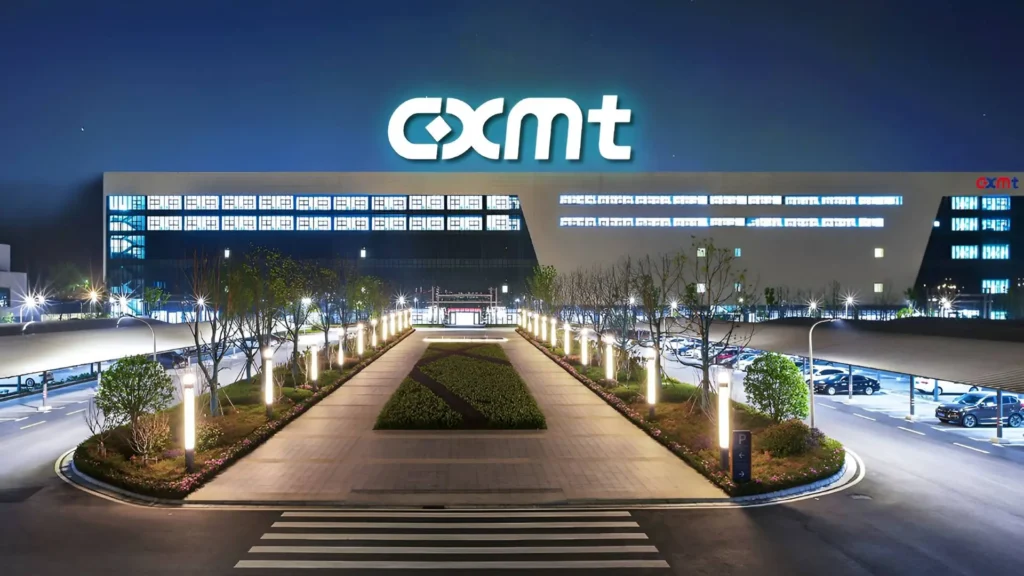
Apple reportedly seeks to buy Chinese memory from CXMT amid soaring chip prices
Apple may need to adjust its memory sourcing strategy. According to the well-known analyst Ming-Chi Kuo, the Cupertino-based company is lobbying U.S. authorities to source memory from the Chinese manufacturer ChangXin Memory Technologies (CXMT).
This move comes as the global memory market faces significant challenges, including rising prices and potential shortages that may last until 2027.
Memory as a Strategic Asset
For several months now, the prices of DRAM and NAND memory chips have surged significantly. This situation is impacting the entire electronics industry, from smartphones to computers and AI servers.
According to Ming-Chi Kuo, Apple aims to diversify its suppliers to minimize its exposure to these increasing costs.
The analyst claims that the company is seeking to purchase DRAM chips from ChangXin Memory Technologies (CXMT), which is currently the largest Chinese manufacturer of dynamic random-access memory.
Why Apple is Interested in CXMT
Apple’s choice of CXMT appears strategic. In recent years, the Chinese company has emerged as a significant player in the DRAM market. However, it also finds itself in the midst of heightened geopolitical tensions.
CXMT is on several U.S. monitoring lists due to alleged ties to the Chinese military industry. Therefore, any collaboration with this company is particularly sensitive.
According to Ming-Chi Kuo, Apple hopes that the U.S. government will not impose new restrictions that would prevent potential commercial cooperation. At this time, neither Apple nor U.S. authorities have confirmed the situation.
The memory supply-demand gap will keep widening through 2027. That is the real reason Apple is lobbying the White House to keep CXMT off the Entity List.
▌Start with my latest industry checks: The pressure on Apple has shifted from soaring memory costs to a widening supply gap.…
— 郭明錤|Ming-Chi Kuo (@mingchikuo) June 28, 2026
Artificial Intelligence Intensifies Shortages
According to the analyst, the situation is expected to continue to tighten in the coming months. A growing portion of the global memory production could gradually be redirected to data centers designed for artificial intelligence. Ming-Chi Kuo estimates that between 15% and 20% of the capacity currently allocated to consumer electronics could shift to AI infrastructure by 2027.
This shift would naturally reduce the volumes available for smartphones, tablets, and computers.
LPDDR memory, widely used in mobile devices, would be particularly affected.
Apple May Adjust Its Orders
This pressure on supplies could impact future products from the brand. According to Ming-Chi Kuo, Apple may consider reducing memory orders for the upcoming A20 chip by 10% to 20%, expected between late 2026 and early 2027.
The goal would be to better manage availability while mitigating the financial impact of rising prices.
However, Apple has not yet confirmed any changes to its roadmap.
Visible Cost Increases
The surge in memory prices is no longer a mere speculation. In previous statements, Tim Cook acknowledged that the cost of certain components is rising significantly. Many analysts believe that this situation could affect the prices of future electronic devices if supply chain tensions persist.
Lenovo recently mentioned a “new normal” regarding memory chip pricing, indicating that the market may remain under sustained pressure.
Diversifying Suppliers Rather Than Cutting Costs
Even if Apple were granted permission to work with CXMT, it likely wouldn’t solve the current difficulties entirely. The Chinese manufacturer’s production capabilities remain limited compared to industry leaders like Samsung, SK Hynix, or Micron.
For Apple, the main challenge would be to secure a portion of its supply to reduce its dependence on a few historical suppliers.
This strategy becomes increasingly crucial as the new artificial intelligence features integrated into Apple devices require more and more RAM.
A Decision Dependent on Washington
Currently, no official decision has been announced regarding potential authorization for Apple. If Ming-Chi Kuo’s information is confirmed, this scenario underscores the new tensions facing the tech industry: explosive memory demand driven by the rise of artificial intelligence, increasingly stringent geopolitical constraints, and persistent reliance on a few major manufacturers.
All of these factors could influence the price and availability of future smartphones, tablets, and computers in the coming years.



