

Apple ordered to pay 634 million dollars to Masimo
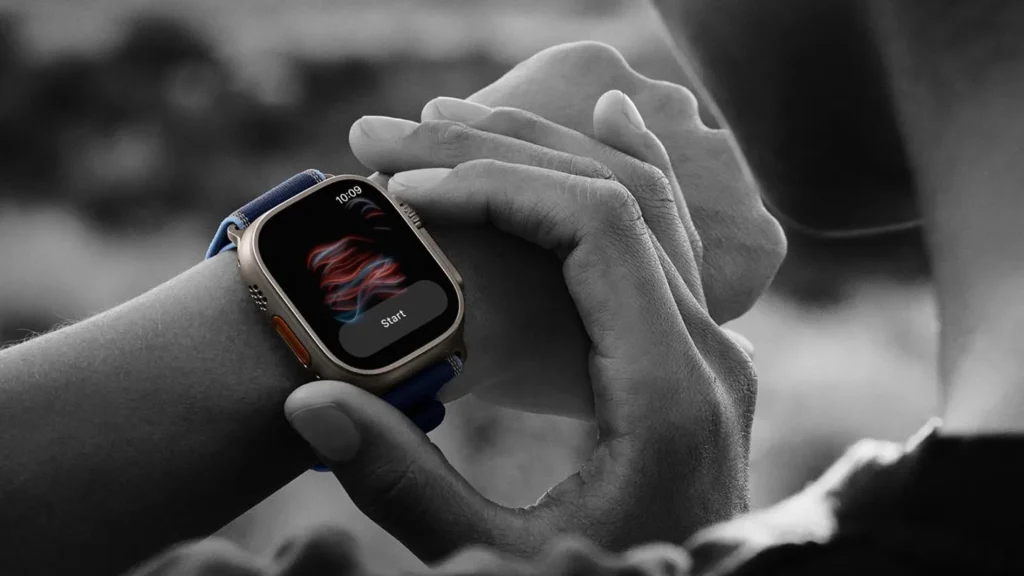
A new development has emerged in the prolonged legal battle between Apple and Masimo. A U.S. federal jury has found Apple liable to pay 634 million dollars to the medical specialist, stating that certain features of the Apple Watch infringe on one of its patents related to blood oxygen measurement.
Masimo has described the ruling as a “historic” verdict that reinforces its position in this ongoing technological saga that has lasted six years.
Apple, however, disagrees with this assessment. The company has promptly announced its intention to appeal, emphasizing that many of the patents cited by Masimo have already been invalidated. According to Apple, the only patent upheld in this case has expired since 2022 and relates to a “dated” medical technology.
Background: Apple had previously disabled the SpO₂ feature in the U.S.
This case recalls the conflict that took place earlier in 2024 when the ITC (U.S. International Trade Commission) imposed an import ban on Apple Watches with SpO₂ sensors, determining that the technology indeed violated Masimo’s patents.
To avoid a complete removal of the watches from the market, Apple opted to disable the oxygen measurement on Apple Watch Series 9, Series 10, and Ultra 2 sold in the United States.
Since then, the company has been trying to find a legal workaround by offering a “revised” version of the feature. This has led to some complexities.
The new system: data collection on the watch, analysis on the iPhone
To mitigate any risk of infringement, Apple has decided to overhaul the architecture of the SpO₂ sensor. In the old system, the Apple Watch collected data, performed calculations, and displayed the blood oxygen level directly on its screen.
In the new version, the watch solely collects the data and then transmits it to a paired iPhone, which carries out the calculations and displays the results in the Health app under the Respiratory section.
Apple believes that this technical separation is sufficient to avoid infringing on Masimo’s patent.
But the ITC has a different view.
The ITC reopens the case: is the modified version truly different?
On Friday, the American agency announced it would initiate a new round of hearings focused on the revised version of the sensor. It believes the system was not examined during the initial investigation and needs to determine whether the simple delegation of calculations to the iPhone constitutes a genuine innovation… or merely an insufficient legal workaround.
The positive note for Apple is that the modification had been approved by U.S. customs. The downside is that the ITC is not obligated to adhere to this recommendation.
Why is this sensor crucial?
The SpO₂ sensor in the Apple Watch measures blood oxygen saturation. A normal level ranges from 95% to 100%. Levels below 90% may indicate an underlying health issue.
This function is essential for users focused on fitness, health, or sleep, and its removal would be a significant blow for Apple.
Next steps? Three possible scenarios
If the ITC rules that the revised version still infringes on the patent, Apple will have limited options:
- Disable the SpO₂ feature once again, risking user dissatisfaction among American customers.
- Develop yet another version of the system in hopes of avoiding infringement.
- Negotiate a licensing agreement with Masimo, which appears to be the simplest and most realistic solution.
Many analysts share this perspective: paying Masimo a royalty would ensure the feature remains available for users, end a costly legal saga… and allow Apple to finally close this chapter.



