

Veeam Reinforces Cyber Resilience with New v13 Data Platform
Veeam Software is propelling enterprise cyber resilience forward with the release of its Data Platform v13. This update underscores the global backup leader’s commitment to adapting to the rising complexity of cyber threats, the increasing integration of artificial intelligence, and the rapid transformation of IT infrastructure. Central to Veeam’s strategy are principles of openness, flexibility, and intelligent automation—designed to meet the heightened regulatory demands of hybrid environments.
Data security has evolved beyond traditional backup solutions. Now, it requires active governance capable of anticipating threats, ensuring continuous availability, and seamlessly integrating AI into operations. In a landscape marked by increasing regulatory scrutiny and professionalization of cyber threats, the ability to swiftly detect, isolate, and recover data has become a strategic necessity for compliance as well as business continuity.
With the introduction of Data Platform v13, Veeam aims to establish itself as a frontrunner in the realm of cyber resilience, particularly as the demands from IT departments extend well beyond simple data backup. This shift reflects a competitive market driven by key players like Rubrik, Cohesity, and Commvault, all aiming to deliver innovative, unified, and resilient data management solutions powered, in many cases, by generative AI. The differentiation among these solutions now hinges on the ability to orchestrate multi-site protection, ensure backup immutability, and natively incorporate security, identity, and compliance controls. IT leaders are increasingly looking for platforms that can support accelerated cloud adoption, a diverse set of hypervisors, and compliance with evolving cybersecurity standards.
AI as a Catalyst for Operational Resilience
The launch of v13 comes at a time when the surge of ransomware attacks, the sophistication of cyber threats, and the influx of new workloads in hybrid environments are presenting unprecedented challenges. The inclusion of a universal API for hypervisors, support for platforms such as Scale Computing HyperCore and Citrix XenServer, and the upcoming compatibility with OpenShift Virtualization reflect Veeam’s commitment to openness. Veeam is poised to address both the volatility of architectures and companies’ desire for control over their environments without becoming dependent on a sole vendor.
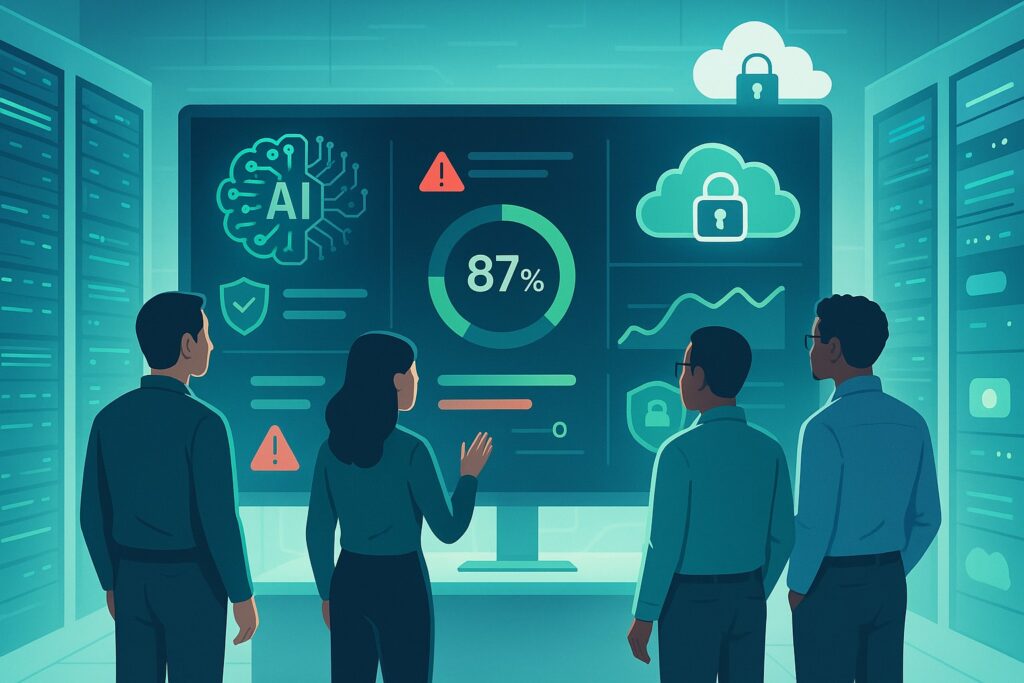
Version 13 also represents a significant advancement in the incorporation of operational AI for data protection and remediation. Featuring the Recon Scanner 3.0 agent—developed after Veeam’s acquisition of Coveware—this platform offers real-time monitoring of suspicious behaviors, advanced forensic analysis, and dynamic correlation through Microsoft Sentinel and other security platforms. This AI-driven analytical approach aims to reduce “digital fatigue” for security teams and expedite decision-making during incidents, aligning cybersecurity operations more closely with business needs. Integration with the Mitre ATT&CK framework adds contextual relevance and prioritization to alerts, enhancing organizations’ ability to anticipate lateral movements or silent compromises.
Beyond detection, Veeam has introduced an AI-assisted malware analysis engine capable of identifying, flagging, and isolating threats within backups. This innovation tackles a critical concern for chief information security officers (CISOs): ensuring the integrity of restorations to avoid reinfection during business recovery. By emphasizing intelligent automation and rapid remediation, Veeam positions itself as a key player at the intersection of backup, security, and IT operations, especially as competitors invest heavily in automated orchestration and integrations with IT Service Management platforms.
Flexibility, Openness, and Immutability: A Triumvirate for the Future
Version 13 reaffirms Veeam’s strategy of offering an open, modular platform free from dependency on proprietary hardware appliances. The introduction of a next-generation web console hosted on customer premises, coupled with a turnkey Linux software appliance, meets the growing demand for operational agility and cost control. Comprehensive support for virtual and cloud environments, along with the default immutability of backups, aligns with the needs of organizations facing escalation in targeted attacks on restoration points. This approach ensures business continuity during extreme scenarios while facilitating compliance with European and international regulatory frameworks.
The ability to orchestrate instant recovery on Azure, integrate new hypervisors via API, and interface with third-party solutions (such as CrowdStrike, Palo Alto, Splunk, and ServiceNow) addresses the increasing demand for flexibility and resilience in infrastructures. Organizations now have tools that can adapt to the realities of widespread system hybridization while safeguarding against fragmentation and technological lock-in. This agility, combined with enhanced automation, serves as a critical differentiator in a market increasingly focused on dynamic risk management and the capacity to document the robustness of environments in real-time.



