

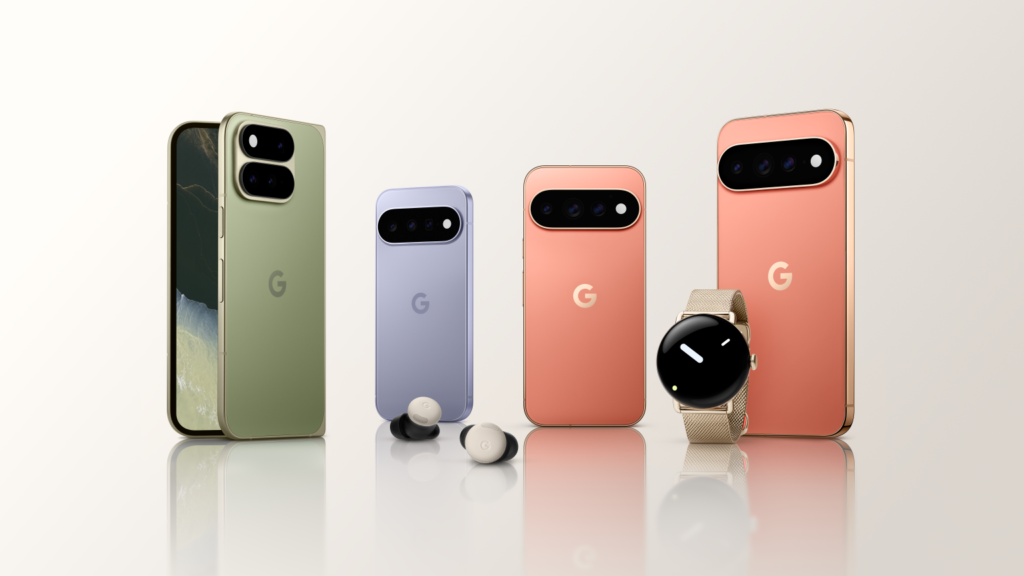
Google Pixel 11 Official: Price, Tensor G6, 120x Zoom and New Gemini Features
Google has unveiled its latest generation of smartphones, focusing on a well-established philosophy: the Pixel series evolves more through intelligence than design. The Pixel 11, Pixel 11 Pro, and Pixel 11 Pro XL maintain a familiar hardware setup but significantly enhance the Gemini system, computational photography, and background automation tasks.
With prices starting at €999 and a minimum storage of 256 Go, Google clearly positions its lineup as a premium offering.
The Pixel 11 Gradually Becomes an “Agentic” Smartphone
The most significant transformation in the Pixel 11 may not be immediately visible. Google aims for Gemini to evolve into a system that not only responds to users but also acts on their behalf.
In the United States, Gemini can handle tasks such as ordering groceries, booking rides, or purchasing coffee. The assistant can also call businesses to make reservations or set appointments.
Google offers several safeguards: users can regain control or interrupt operations, and AI-generated calls will be available as transcripts for review.
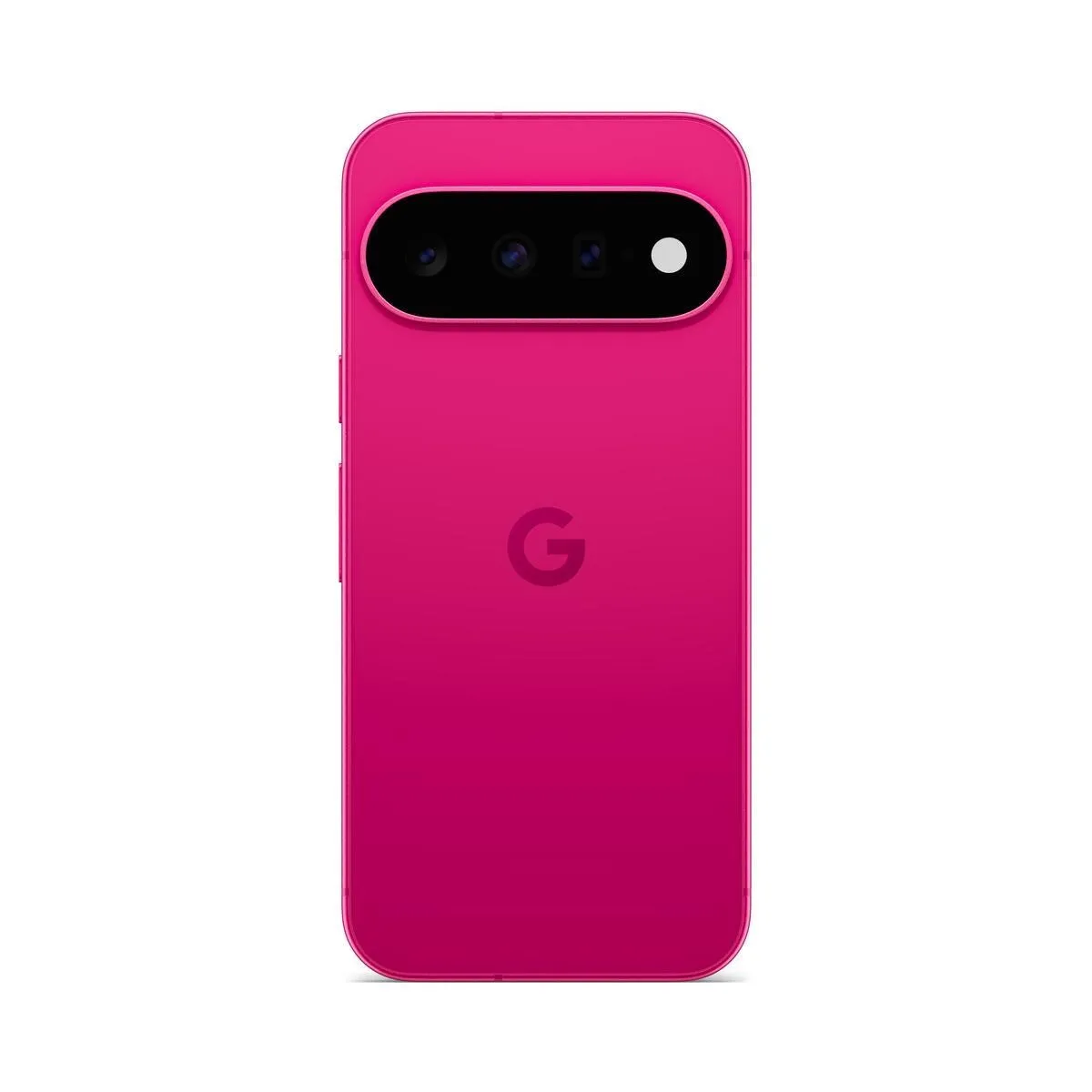
This evolution reflects the next battleground for mobile AI. After years focused on summarization, text generation, and photo editing, assistants are beginning to transform into agents capable of executing concrete actions.
Magic Cue Becomes More Ambitious with Gemini
Introduced with the previous generation, Magic Cue has also received upgrades. The system can now utilize Gemini to automatically gather information from various applications based on context.
The goal is to minimize manual searches: if a conversation revolves around a restaurant, event, or series to watch, the Pixel can present relevant information derived from the device’s accessible data.
Google is striving to blur the line between assistant and operating system. Gemini is no longer merely an app that opens; it becomes a contextual layer that enhances the Pixel experience.
Rambler Transforms the Pixel into a Smart Dictaphone
Another significant addition is Rambler, an AI-based dictation system introduced by Google last spring, now available on the Pixel devices. Its approach is similar to specialized solutions like Wispr Flow: speaking becomes a legitimate method of input, with AI transforming speech into usable text.
Google is also expanding its language capabilities. The Pixel 11 can translate videos, podcasts, and voice messages, while Circle to Search is now directly accessible from the camera.
An accessibility feature utilizes Gemini to convert sign language into text, accompanied by a new interface for Live Transcribe.
These functionalities point to a cohesive strategy: to make the Pixel a constant intermediary between various formats—voice, text, image, video, and gestures.
Magic Capture: Record First, Choose the Photo Later
Photography remains at the heart of the Pixel experience, and Google continues to shift part of the workload to AI. The new Magic Capture feature exemplifies this approach. When a user records a scene, the phone analyzes hundreds of images captured during the sequence to select the best moments and convert them into photographs.
The system can subsequently crop the image and correct certain blurs before presenting a result ready to share.
This logic is intriguing: instead of forcing the user to trigger the camera at the perfect moment, Google prefers to record more data and allow its algorithms to identify the relevant instant.
This represents a new step in computational photography, where the trigger becomes nearly secondary compared to the processing performed post-capture.
Up to 120x Zoom on the Pixel 11 Pro
Google has also enhanced its digital zoom. The Pro models have increased their maximum zoom from 100x to 120x, while the standard Pixel 11 has improved from 20x to 30x. The new image processing chip integrated into the Tensor G6 directly contributes to this advancement.
Google additionally announces a new telephoto lens capable of gathering 32% more light on the Pro models, along with an improved main sensor, though specific technical details quantifying these changes remain undisclosed.
Users will also have the ability to create custom photographic renditions in the form of styles available directly during shooting.
Instant Night Sight Accelerates Night Photography
Night photography also benefits from the Tensor G6. With Instant Night Sight, Google claims that capture is up to 4.5 times faster than the previous generation’s Night Sight mode.
This is potentially more significant than just a quality improvement. Longer exposures increase the risk of subject or photographer movement; reducing the required time makes it easier to capture a usable image.
On the video front, the Pixel 11 Pro can record in 8K with Video Boost, boasting announced improvements in stabilization.
Google also introduces a creator mode that can transform the phone into a teleprompter during recording. The produced clips are then organized in a dedicated folder to ease the transition to editing.
Tensor G6: Less a Benchmark Race and More an AI Engine
All Pixel 11 devices are powered by the new Tensor G6. Google claims a 20% improvement in energy efficiency and up to a 25% faster web browsing experience. However, similar to previous Tensor generations, the primary goal isn’t to outpace Qualcomm or Apple in CPU and GPU benchmarks.
The Tensor G6 primarily serves as the engine behind the Pixel’s computational features: photographic processing, accelerated Night Sight, lower latency for Gemini models, and algorithmic zoom.
Consequently, Google follows a different strategy compared to manufacturers focused on sheer power: optimizing its silicon around the experiences it directly aims to control.
Pixel Glow Finally Adds a Light Signal at the Back
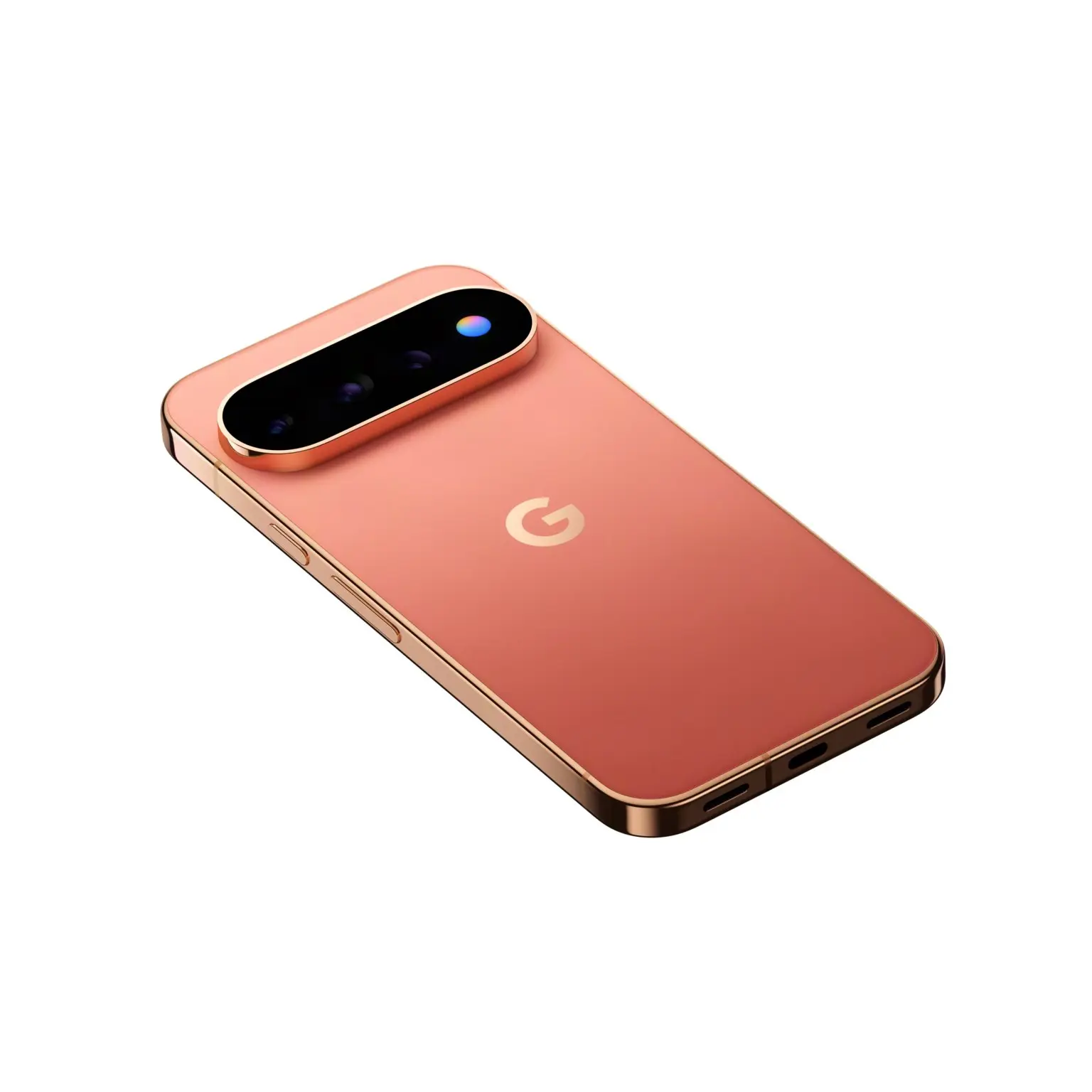
The most noticeable aesthetic modification is subtle. Google has added an LED light around the rear flash, serving as an indicator. It can signal calls or messages from favorite contacts, and also illuminate when Gemini is listening or processing a request.
This concept is reminiscent of Nothing’s Glyph interface but is much more restrained. Pixel Glow primarily serves as a functional extension of the notification system rather than a central visual identity for the phone.
Familiar Screens, But Brighter on the Pro Models
Google retains the same screen sizes as the previous generation. However, the Pixel 11 Pro models benefit from higher brightness, which should particularly enhance outdoor readability.
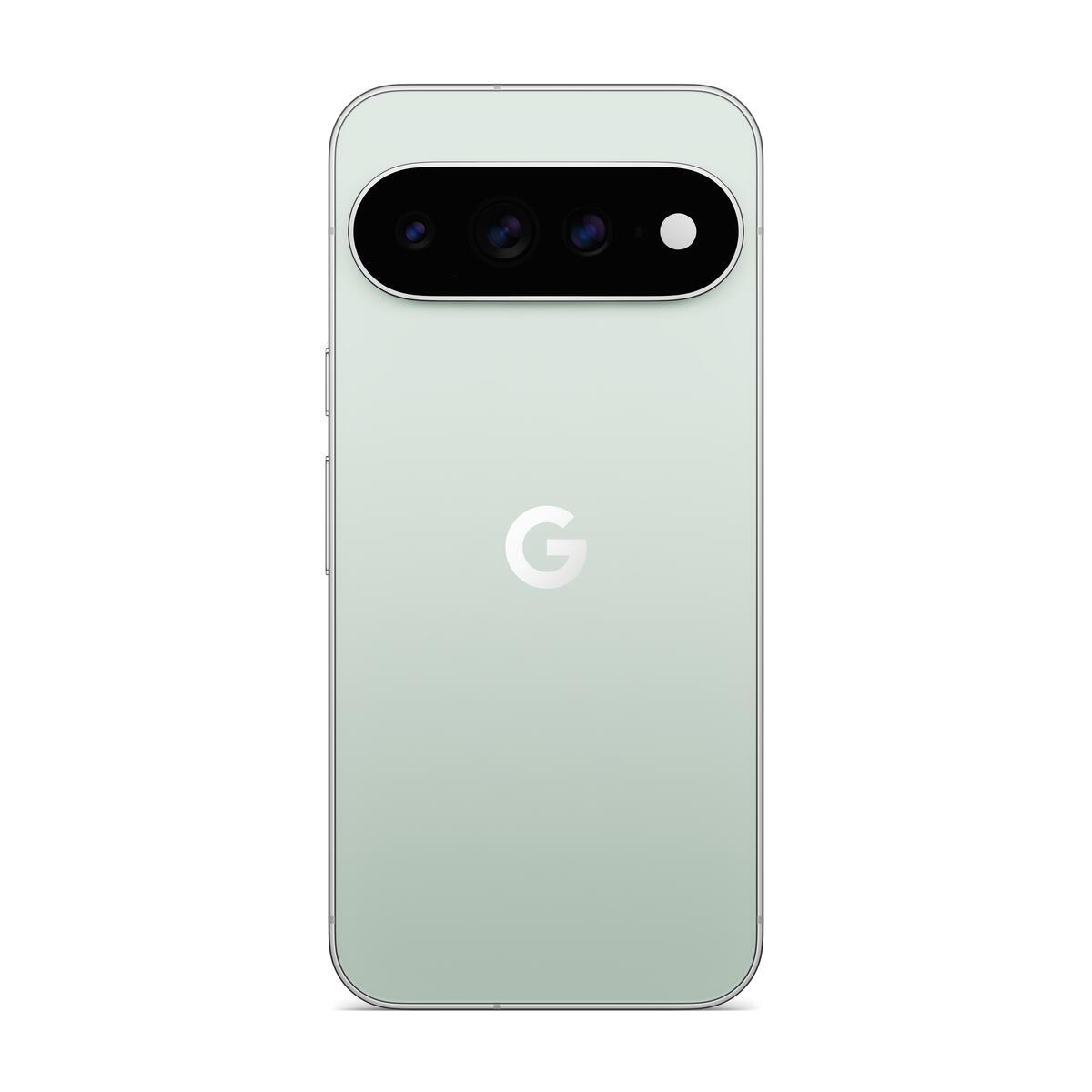
This relative stability in hardware aptly summarizes this generation: Google is not seeking to disrupt the smartphone’s form, but rather to enhance what its software can accomplish with existing hardware.
Pixel 11: Prices Start at €999
The lineup now begins with 256 Go of storage.
French pricing is as follows:
| Model | Starting Storage | Starting Price |
|---|---|---|
| Pixel 11 | 256 Go | €999 |
| Pixel 11 Pro | 256 Go | €1,199 |
| Pixel 11 Pro XL | 256 Go | €1,399 |
Both the Pixel 11 and the Pixel 11 Pro maintain pricing at the same level for the equivalent 256 Go versions from last year. The elimination of older 128 Go variants does however increase the entry price by €100. The Pixel 11 Pro XL, on the other hand, has seen a €100 rise compared to its predecessor.
Pre-orders open immediately, accompanied by new Pixelsnap accessories, including transparent cases and new color options for the Pixelsnap Ring Stand.
Google Sells More Than Just a Smartphone, But an Advantage in AI
On paper, the Pixel 11 might appear to be a conservative generation. The design has barely changed, the screens remain familiar, and Google still doesn’t seem committed to a specification battle.
However, this interpretation overlooks the core issue.
Google is progressively transforming the Pixel into a prime testing ground for Gemini. Magic Capture selects the best photographic moments, Rambler turns voice into an interface, Magic Cue anticipates necessary information, and Gemini is beginning to carry out certain real-world tasks.
The competition with iPhones and Galaxy devices is therefore no longer solely about cameras, megapixels, or processor performance.
With the Pixel 11, Google poses a far more strategic question: what if the best smartphone is no longer the one with the best hardware, but the one that works most efficiently on your behalf?



