

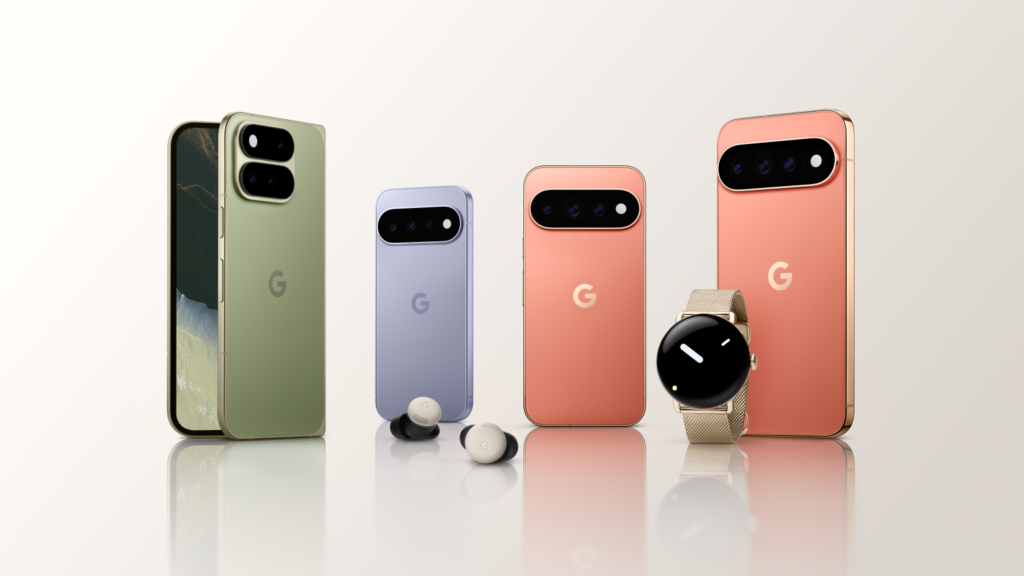
Pixel 11, Pixel 11 Pro, Pro XL or Pro Fold: Which one to choose?
With four smartphones in its new lineup, Google has expanded beyond just a basic Pixel and its premium version. The Pixel 11, Pixel 11 Pro, Pixel 11 Pro XL, and Pixel 11 Pro Fold now cater to distinctly different needs, making the choice a thoughtful one.
All models share a common foundation: the Tensor G6 processor, advanced Gemini integration, at least 256 GB of storage, Pixelsnap magnetic charging, and IP68 certification. The differences primarily lie in photography, display, memory, format, and battery life.
So, which Pixel 11 should you choose?
Pixel 11: For Those Who Want the Essentials of the New Generation
The Pixel 11 is perhaps the best entry point into the lineup. It combines the Tensor G6 with 12 GB of RAM and 256 GB of storage, offering a comfortable setup for a smartphone intended to be kept for several years.
Its Actua display achieves a brightness of 3,000 nits, while the front is protected by Gorilla Glass Victus 2.
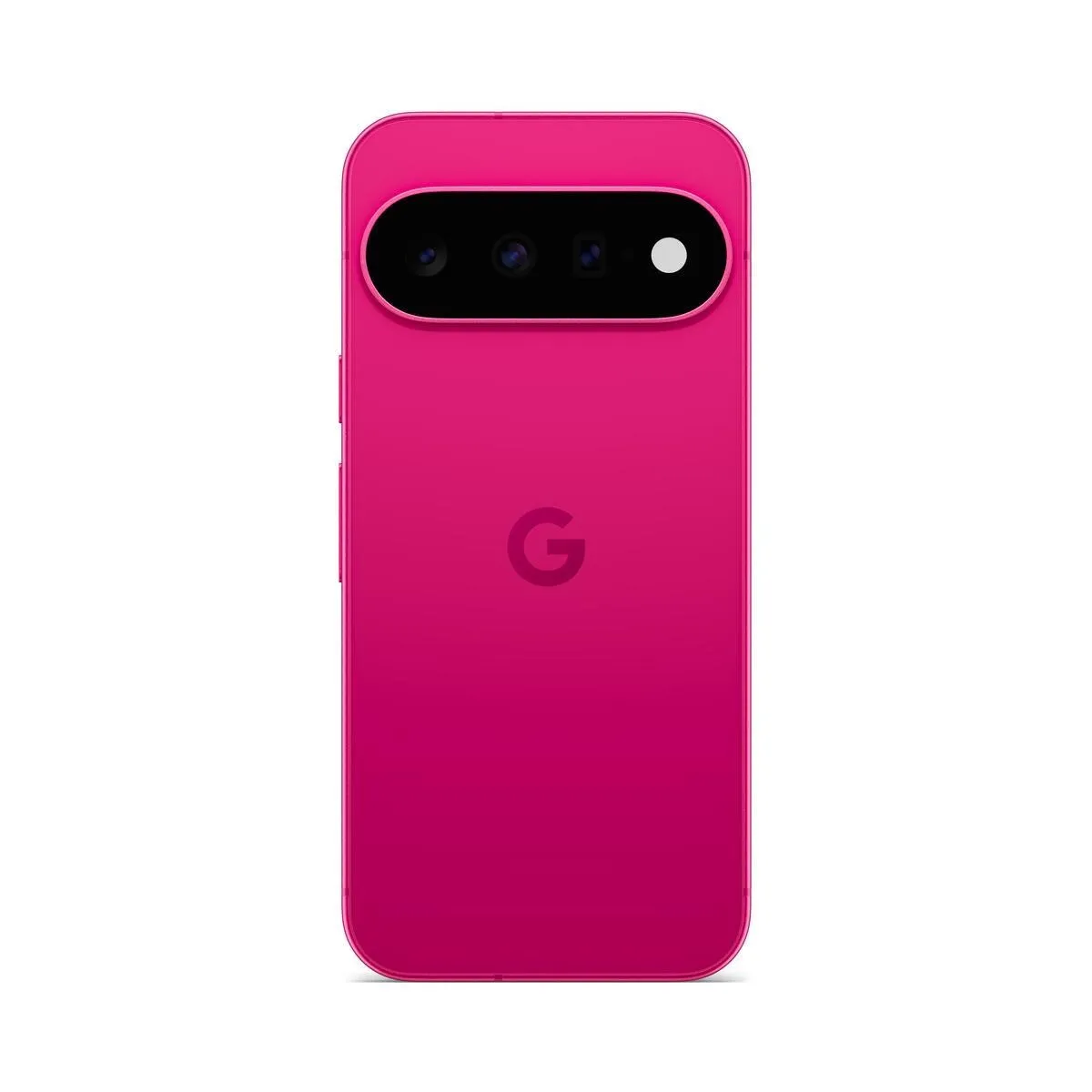
Google also maintains the IP68 certification and offers the smartphone in four colors: Frost, Fuchsia, Pistachio, and Volcanic Black. In photography, the Pixel 11 features a new 48-megapixel main sensor, which Google claims has a light sensitivity 56% higher than that of the Pixel 10.
Moreover, the Super Zoom can now reach up to x30.
Why Choose the Pixel 11?
This is the model to consider if you want:
- the new Tensor G6 chip
- Gemini and new AI features
- a capable Pixel camera without needing extreme telephoto capabilities
- Pixelsnap
- over 30 hours of claimed battery life
- 256 GB of storage right from the basic configuration.
The Pixel 11 is likely the most sensible choice for many users.
Pixel 11 Pro: For Photography and the Most Advanced Features
The Pixel 11 Pro builds upon the foundation of the Pixel 11 but adds the technologies Google reserves for its high-end models. Its Super Actua display can reach 3,600 nits, surpassing the 3,000 nits of the Pixel 11, and Google claims it has double the scratch resistance compared to the previous generation.
Internally, the Tensor G6 can be paired with 16 GB of RAM and up to 1 TB of storage.
However, the main difference lies in the rear. The Pixel 11 Pro features a 50-megapixel main sensor with a 1/1.3-inch sensor and an updated telephoto lens. Google states that the latter captures 32% more light than the previous generation. The Pro Zoom can reach x120.
This represents a significant difference from the x30 of the standard Pixel 11.
Why Choose the Pixel 11 Pro?
This model is aimed at those who:
- frequently use telephoto features
- want the best camera system that Google offers
- prefer 16 GB of RAM
- seek additional storage
- desire an even brighter display
The Pro also benefits from Instant Night Vision and more ambitious video capabilities. With Video Boost, Pro Stabilization can function up to 8K.
HiLight Provides an Edge for the Pixel 11 Pro
Google also introduces a rather unique feature for the Pixel 11 Pro and Pro XL: HiLight. Several LEDs are integrated around the rear flash. When the smartphone is placed face-down on a table, these can discreetly signal certain information without lighting up the screen.
A call from a favorite contact, for example, can be indicated by a specific color. HiLight also indicates when Gemini is listening, thinking, or responding. While this feature alone isn’t a compelling reason to buy the Pro, it showcases Google’s intent to make its assistant accessible without needing to activate the screen constantly.
Pixel 11 Pro XL: For Battery Life and Large Size
The Pixel 11 Pro XL shares most of its features with the Pixel 11 Pro. It uses the Tensor G6, can have 16 GB of RAM, and benefits from the same advanced camera system and Pro Zoom x120. The difference lies primarily in its size.
Google targets users looking for a larger smartphone who frequently consume videos, play games, or work on their mobile devices.
The Pro XL also boasts a notable advantage regarding charging speed. Google claims it can recover up to 75% of battery in about 30 minutes, compared to roughly 55% for the Pixel 11 and Pixel 11 Pro.
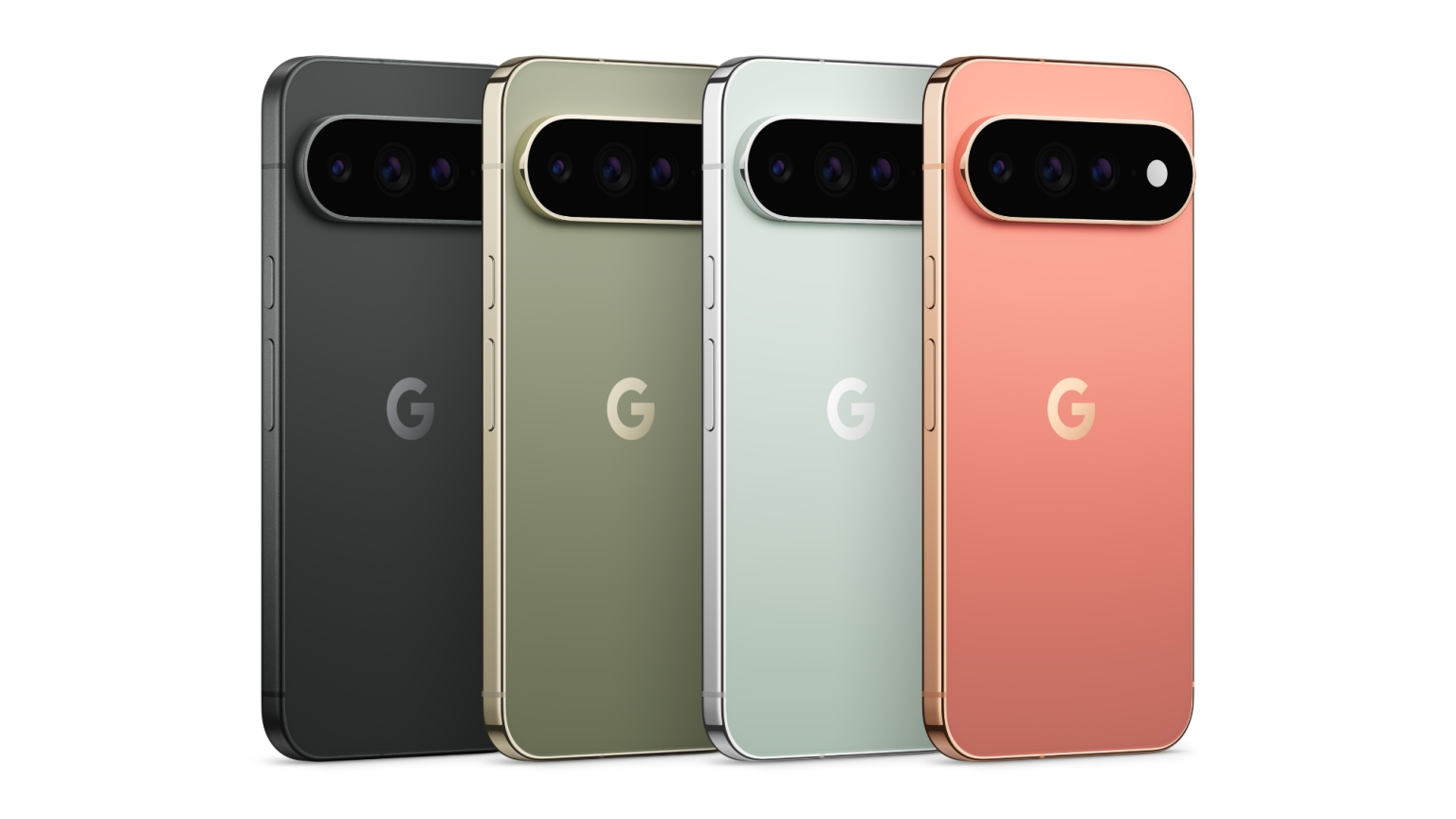
Why Choose the Pixel 11 Pro XL?
This model should mainly attract those who want:
- the best camera in the conventional lineup
- a large display
- the most comfortable configuration for multimedia use
- more efficient wired charging
If the larger form factor isn’t an issue, the Pro XL is undoubtedly the most complete option among the classic Pixel 11 lineup.
Pixel 11 Pro Fold: For Replacing a Smartphone and Small Tablet
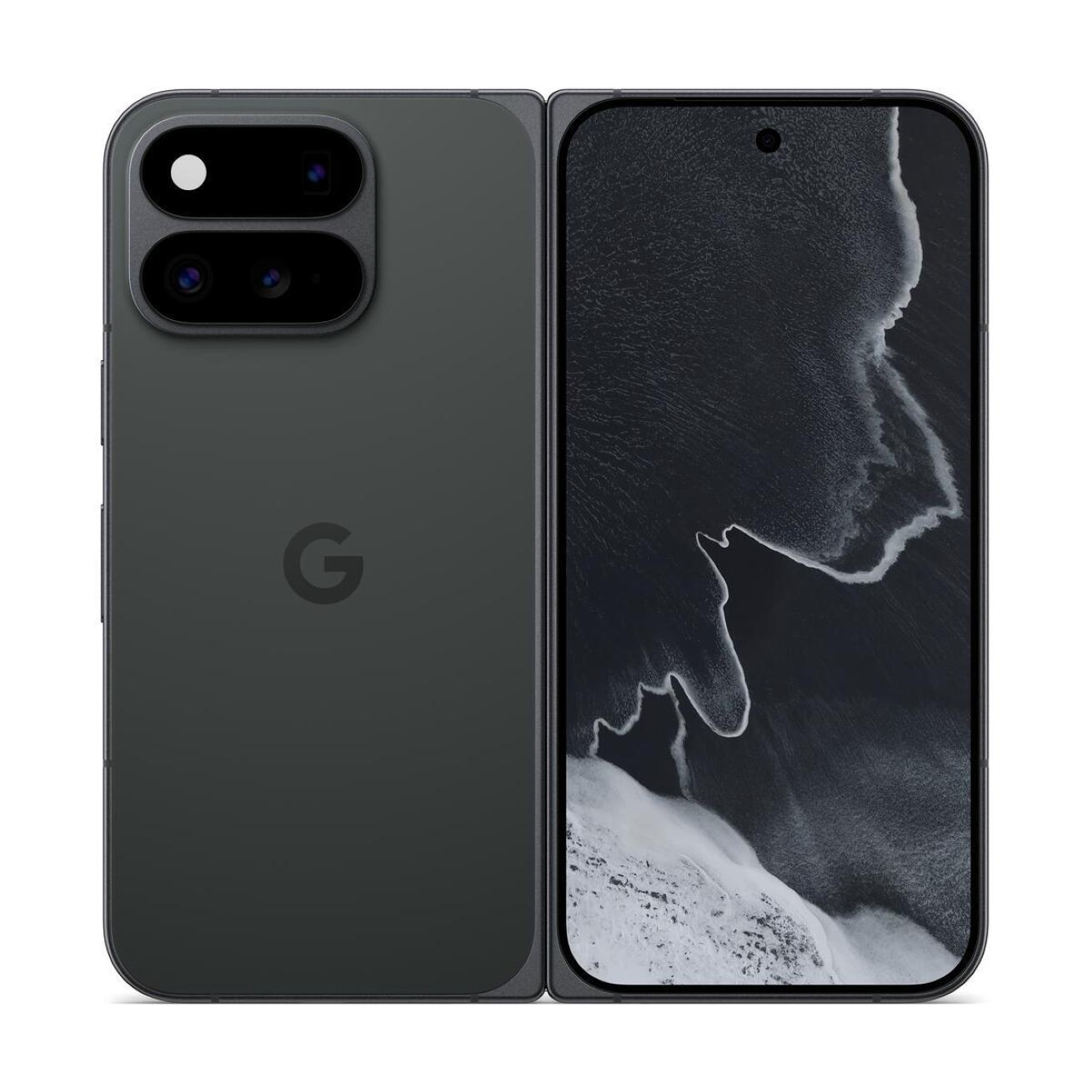
The Pixel 11 Pro Fold enters a different category. Its main appeal lies in its 8-inch Super Actua Flex inner display, which turns the smartphone into a small tablet when unfolded. Google has also significantly revised its hardware. This generation is about 1 mm thinner and nearly 10% lighter than its predecessor. Google claims that the device is also three times more robust.
Its new hinge and design allow it to achieve an IP68 certification, making its durability much closer to that of the other Pixel 11 models.
It comes with 16 GB of RAM and the Tensor G6. Google claims over 24 hours of battery life compared to more than 30 hours for the standard Pixel 11 models.
The Fold is Also a Multitasking Tool
The appeal of the Pixel 11 Pro Fold isn’t solely about its larger display. Google has genuinely adapted its interface to the foldable format. The Split Screen feature allows you to use two apps simultaneously. For example, you can plan a trip on one half of the screen while working on a presentation on the other.
The drag-and-drop functionality lets you transfer text, images, videos, or links directly between applications.
Google also introduces floating bubbles, allowing you to keep up to five apps quickly accessible.
Why Choose the Pixel 11 Pro Fold?
This device is mainly for those who:
- heavily use their smartphone for work
- want to display multiple applications at the same time
- watch a lot of video content
- want a screen close to that of a small tablet without carrying a second device
However, someone who primarily uses their smartphone for messaging, social media, and photography will likely benefit more from the Pixel 11 or 11 Pro.
A Different Photography Experience on the Fold
The Pixel 11 Pro Fold doesn’t replicate the exact camera system of the Pixel 11 Pro. Its main camera uses a 48-megapixel sensor that supposedly captures 56% more light than its predecessor. The telephoto lens allows a Super Zoom of up to x30.
The foldable format provides a few unique opportunities. The external display can show animations to capture a child’s attention during a photo shoot. Subjects can also use this screen as a video viewfinder with Dual Screen Preview.
Finally, it’s possible to unfold the device and use the rear main camera to take a selfie while framing from the external screen.
While the Fold may not be the absolute best camera phone in the lineup, its format allows for uses that are impossible on the other models.
All Pixel 11 Models Include Tensor G6 and Gemini
No matter which version you choose, Google maintains a common architecture. The Tensor G6 is present across all four smartphones. Google claims up to 20% better energy efficiency, 25% faster internet browsing, and a 15% quicker application launch compared to the Tensor G5. The TPU also sees a 50% performance increase. This power is especially utilized by Gemini Nano and the new AI tools embedded within the system.
Real-time translation, writing assistance, enhanced voice input, and some photography functions are therefore available throughout the lineup.
Choosing the standard Pixel 11 doesn’t mean forgoing Google’s latest AI advancements.
Pixelsnap Across All Models
Another important common feature is Pixelsnap. Google has generalized the magnetic attachment across the entire Pixel 11 lineup. This makes it easier to attach a wireless charger or compatible accessories.
Google announces varying charging improvements depending on the devices: up to 25% for the Pixel 11, 29% for the Pixel 11 Pro, 17% for the Pro XL, and 20% for the Pro Fold compared to their respective predecessors.
This allows Google to create a unified ecosystem of accessories across its smartphones.
Which Pixel 11 to Choose?
Ultimately, the choice depends significantly less on power and more on usage.
- Select the Pixel 11 if you’re looking for the best balance. You’ll retain the Tensor G6, Gemini, 12 GB of RAM, 256 GB of storage, a 48-megapixel camera, and x30 zoom.
- Select the Pixel 11 Pro if photography is your priority. Its telephoto lens, x120 Pro Zoom, 3,600-nit display, and enhanced video functions are its main strengths.
- Select the Pixel 11 Pro XL if you want the same capabilities as the Pro in a larger format, with faster charging.
- Select the Pixel 11 Pro Fold if you genuinely want to utilize its large 8-inch display, work with multiple applications, and have a hybrid device between a smartphone and a small tablet.
The Pixel 11 Could Be the Most Suitable for Most Users
It’s tempting to automatically consider the Pro model as the best choice. However, this generation demonstrates that Google is gradually narrowing the gap between its standard smartphone and its premium devices.
The Pixel 11 has the same processor, major advancements with Gemini and Pixelsnap, 256 GB of storage, and an already ambitious camera system. The Pro models mainly justify their existence by specific needs: advanced photography, x120 zoom, superior display, or large format. The Fold caters to an entirely different usage scenario.
For everyone else, the Pixel 11 may represent the most compelling compromise within Google’s 2026 lineup.



