

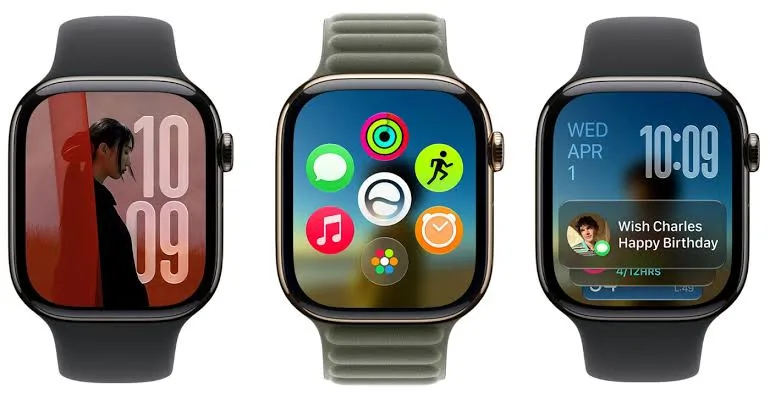
watchOS 27: Apple deprives five Apple Watches of new Siri AI features
With watchOS 27, Apple is rolling out the most significant software evolution for the Apple Watch in years. At the core of this update is a new generation of Siri powered by artificial intelligence, with more natural interactions and new gestures aimed at enhancing the watch’s autonomy.
However, this advancement comes with a controversial decision. For the first time in a long time, Apple is excluding several relatively recent models from its flagship features, including the original Apple Watch Ultra.
The Apple Watches Left Behind
The list of models excluded from the full watchOS 27 experience is broader than many anticipated. The affected devices are:
- Apple Watch Series 6
- Apple Watch Series 7
- Apple Watch Series 8
- Apple Watch SE (2nd generation)
- Apple Watch Ultra
These watches will continue to receive security patches and minimal software support. However, they will not have access to the most significant features of watchOS 27, including Siri AI and the new Tap Gesture.
The compatible models are now:
- Apple Watch Series 9 and later
- Apple Watch Ultra 2 and subsequent generations
- Apple Watch SE (3rd generation)
Apple Justifies Its Decision by Processing Power
In response to inquiries from specialized media, Apple explained its stance. Cait Dooley, the head of Apple Watch and Health marketing, stated that each update is designed with the actual performance of compatible devices in mind.

According to Apple, the new Siri AI features and the Tap Gesture require a level of power that only the latest models can deliver smoothly. Without stating it explicitly, the message is clear: the technological boundary now appears to be around the S9 chip.
This chip, introduced with Series 9 in 2023, features a significantly more powerful Neural Engine than its predecessors, making local execution of artificial intelligence models smoother.
A Strategic Turning Point
This exclusion is particularly noteworthy for one reason. The original Apple Watch Ultra was only launched in 2022. Many users regarded this premium model as a long-term investment, especially given its high price. The fact that it is now missing out on key innovations from watchOS 27 just a few years after its release may lead to criticism.
This decision also reflects a deeper shift in Apple’s software strategy. For years, limitations were primarily based on product age. Now, they are increasingly tied to the AI capabilities of the hardware.
In other words, software compatibility now depends not just on how old a device is but also on its ability to locally execute the new AI services.
The AI Era Creates New Obsolescence
This trend is not limited to the Apple Watch. Since the arrival of Apple Intelligence on iPhone, numerous advanced features have been reserved for models that meet certain minimum requirements in terms of RAM and processing power.
The Apple Watch is now following the same path.
As Siri becomes smarter and more autonomous, the hardware requirements are increasing. Processors designed before this AI revolution are gradually showing their limitations.
Apple seems to prefer providing a consistent experience across compatible devices rather than offering a downgraded version of features for older models.
Limited Comfort for Affected Users
However, all is not lost for those affected. The excluded Apple Watches can still function with a compatible iPhone equipped with Apple Intelligence. This way, users will retain indirect access to Siri’s new capabilities via their smartphones.
Nonetheless, the experience will inevitably be different.
One of the goals of watchOS 27 is precisely to make the Apple Watch more independent from the iPhone. Incompatible models will miss out on a crucial part of this evolution.
A New Reality for the Apple Ecosystem
The release of watchOS 27 confirms a trend that has been emerging for several years: artificial intelligence is now the primary driving force behind renewal cycles. Previously, new product generations were justified by better displays, new sensors, or enhanced battery life. Today, it is AI capabilities that create the separation between devices.
For Apple, this transition is strategic. For users, it marks a new reality: in the age of artificial intelligence, even a premium watch can become outdated more quickly than expected.



