

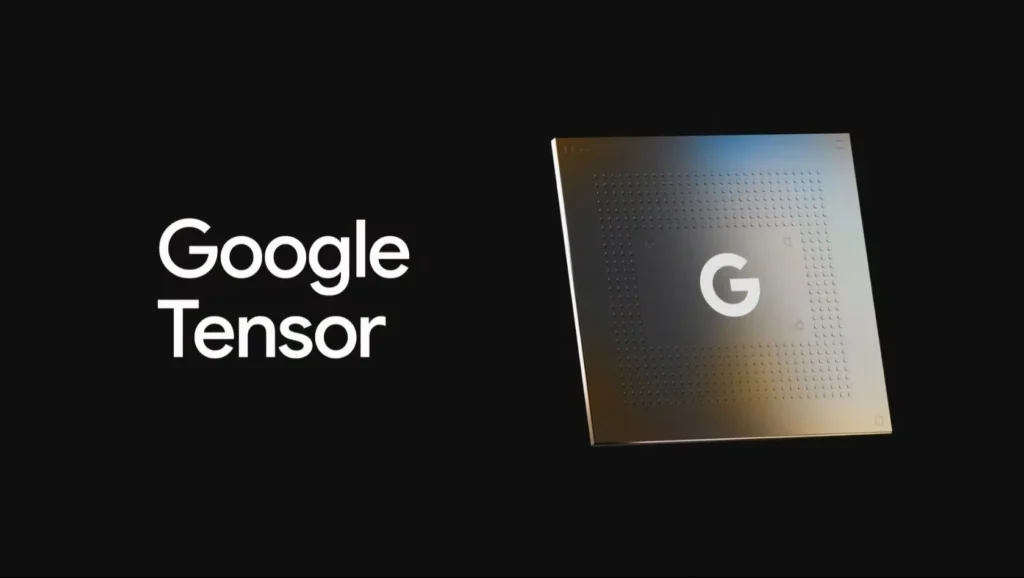
Google Tensor G6: Pixel 11 leaks with ARM C1 CPU, 2nm fabrication, and MediaTek modem
The next in-house chip from Google is starting to be revealed. According to new leaks, the Tensor G6 for the Pixel 11 would adopt a significantly revamped CPU architecture, featuring more modern ARM C1 cores, a 2nm fabrication with TSMC, and a potential MediaTek M90 modem.
However, the GPU may continue to be a weak point.
Tensor G6: An Expected Leap Forward in Processing Power
The Tensor G6 is set to move away from the more conservative approaches of previous generations, with a 7-core configuration, including one ARM C1-Ultra core at 4.11 GHz and several C1-Pro cores at 3.38 GHz. The clear aim is to narrow the performance gap with Qualcomm and Apple.
The chip is also expected to utilize TSMC’s 2nm process, which could enhance energy efficiency, reduce heat, and improve battery life—three long-standing concerns for Pixel devices.
The GPU: Still a Compromise for Pixels?
The leak also suggests a possible shift to a PowerVR GPU architecture. However, early reports indicate limited gains, or perhaps merely nominal improvements. In simple terms, the Pixel 11 could show significant advancements in daily usage, local AI capabilities, and efficiency without becoming a benchmark champion for mobile gaming.
This choice aligns with Google’s strategy; Pixels are not designed to attract gamers, but to excel in computational photography, onboard AI, security, and the Android experience.
MediaTek Modem and Titan M3: Google Seeks to Regain Control
Another noteworthy development is Google’s potential replacement of Samsung modems with a MediaTek M90, promising better connectivity and consumption results. The Tensor G6 will also incorporate a new Titan M3 security chip, code-named “Google Epic,” to bolster the hardware security of Pixel devices.
A More Mature Pixel 11 Rather Than an Explosive One
The Tensor G6 does not appear to be a chip designed to dominate every benchmark. Instead, it seems to be a strategic correction: enhanced CPU power, reduced heat, a more reliable modem, and improved security.
For Google, this would represent a victory in itself. The Pixel 11 doesn’t need to transform into a handheld gaming device; it simply needs to become a faster, more durable, and more dependable smartphone for everyday use.



