

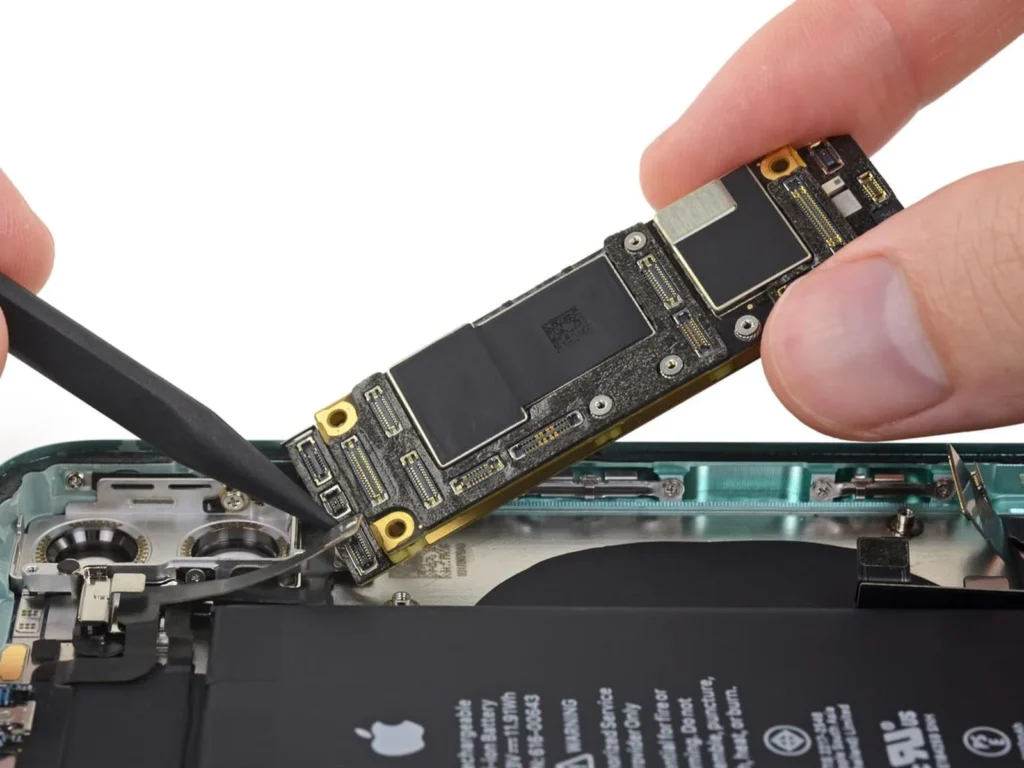
Apple and the DRAM Memory Crisis: A Strategy to Stifle Rivals?
In a market rocked by soaring prices of DRAM and NAND memory, Apple stands out as one of the few players capable of absorbing the impact. The company secures its supplies at prices that many competitors simply cannot match.
Whether this constitutes a deliberate maneuver to stifle competition remains unproven.
A Highly Stressed Memory Market
The landscape is now familiar within the industry: memory prices are skyrocketing due to demand stemming from AI, while manufacturers favor more profitable markets like servers and enterprise SSDs. By January, rumors suggested that the rising memory costs were already affecting the outlook for consumer electronics.
This pressure does not impact all players equally. Apple, thanks to its size, purchasing power, and extensive supplier network, is reportedly better equipped than smaller rivals to navigate this challenging period without significantly harming its competitiveness.
Want to hear something interesting?
Apple is more aggressive this year than ever before. They’re buying up all available mobile DRAM on the market at extremely high prices, even at the cost of operating profit losses. This isn’t because Apple is being naive — they’re deliberately…— Jukan (@jukan05) April 2, 2026
Apple Willing to Pay a Premium to Secure Volume
Jukan highlights the idea that Apple has accepted particularly steep price increases to secure its mobile memory. By late February, reports emerged suggesting that Apple had agreed to a 100% price hike on certain LPDDR5X modules supplied by Samsung for the iPhone 17 production.
This doesn’t necessarily indicate that Apple is “overpaying” without justification. In a market with constrained volumes and limited visibility, paying a premium might simply be the cost of maintaining industrial continuity. TrendForce notes that negotiation cycles are shortening, and suppliers more readily demand quarterly price increases, reducing the leeway for even the most powerful buyers.
The suggestion that Apple is intentionally purchasing DRAM at a loss to exclude competitors from the market lacks substantial evidence at this point. It primarily stems from Jukan’s publication, which claims Apple is buying “all available mobile DRAM” at extremely high prices to deny its competitors sufficient supply.
At this stage, it is crucial to clarify: this accusation has not been substantiated. Solid sources point to a market under pressure, massive price increases, and an Apple more capable than others of enduring this shock. However, they do not demonstrate that Apple is orchestrating a coordinated strategy of competitive sabotage.
Apple is Likely Prioritizing Security, Not Destruction
The most cautious—and plausible—interpretation given the available evidence is this: Apple is primarily seeking to ensure its product launches and volumes during a period of scarcity. This is a classic strategy for an industry leader: accepting a temporary dip in margins to avoid shortages, protect its product schedule, and maintain a premium image. Reuters already noted that Apple has previously absorbed other cost increases rather than immediately passing them on to its customers.
Of course, this logistical advantage can create very real collateral effects: more vulnerable competitors may be further squeezed by rising costs and limited supply. However, there is a distinction between benefiting from a favorable power dynamic and deliberately organizing market exclusion.
A Rational Bet, But Not Without Risks
Apple isn’t immune to a miscalculation. If the memory tension eases more quickly than expected, the company could end up absorbing high costs without lasting benefits. However, the overall trend described by TrendForce leans toward a prolonged shortage, with significant additional capacity not anticipated before late 2027 at the earliest. In this context, locking in supplies today may seem costly but rational.
Ultimately, this narrative underscores something greater: in the post-AI era, the rivalry between smartphones and computers is not solely determined by design or features, but by the ability to procure the right components ahead of others. Apple understands this, and even without “sabotage,” it is already enough to alarm the entire industry.



