

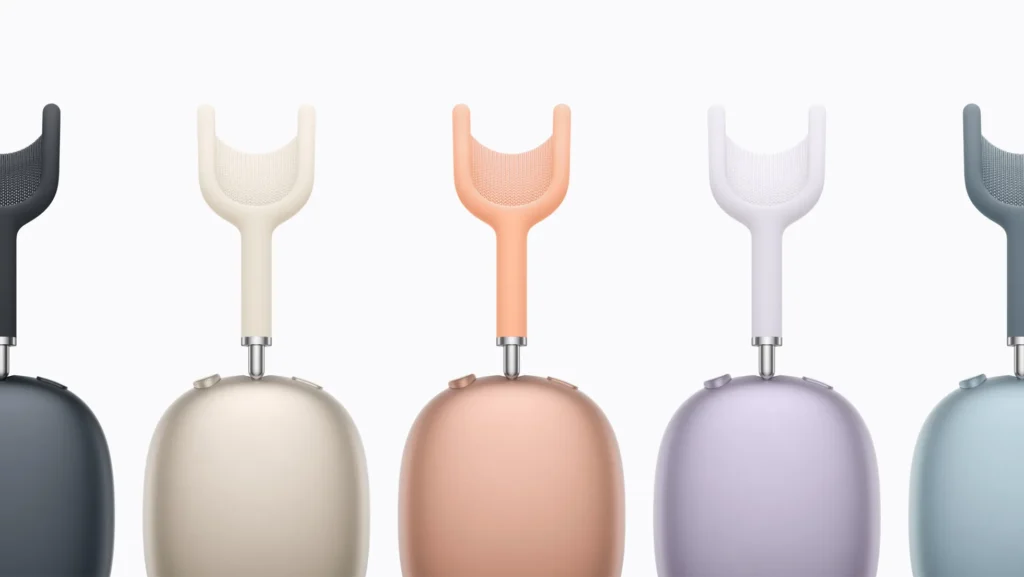
AirPods Max 2: H2 chip, USB-C, and Lossless audio, Apple finally updates its headset
Apple continues its launch sequence with a product that many awaited but didn’t really believe would happen: the AirPods Max 2. More than five years after the first model, the brand updates its premium over-ear headphones with a formula that feels very much like Apple: a design that remains almost unchanged, but with a substantial internal overhaul to seriously refresh the offering.
The major innovation is the introduction of the H2 chip, already found in the latest AirPods Pro. This chip serves as the backbone of the entire experience: advanced audio processing, enhanced noise cancellation, new smart features, and support for lossless 24-bit/48 kHz audio via USB-C.
Apple also maintains the price at €579, with pre-orders starting on March 25 and deliveries expected in early April.
A much-anticipated update, yet true to the original recipe
Visually, Apple makes no drastic changes. The AirPods Max 2 retain the aluminum ear cups, breathable mesh headband, and Digital Crown that defined the first model. This choice is telling: Apple is not looking to reinvent its headphones but to address the shortcomings that prevented them from competing effectively against Sony, Bose, and Sennheiser.
The real upgrade occurs inside. Apple claims that the H2 chip enables active noise cancellation that is up to 1.5 times more effective than the previous generation, while also enhancing computational audio processing. The Transparency mode has also been improved to provide a more natural representation of external sounds.
Apple finally aligns the Max with the rest of the lineup
Another evident challenge was that the AirPods Max had started to seem lacking compared to the AirPods Pro in terms of software features. With this new generation, Apple finally brings its premium headphones in line with the latest capabilities of its ecosystem.
Thus, the AirPods Max 2 inherit features like Adaptive Audio, which automatically adjusts the balance between ANC and transparency based on the environment, Conversation Awareness, which lowers the volume when the user begins to speak, and Voice Isolation, aimed at enhancing call clarity by reducing background noise. Apple also introduces Conversation Translation, powered by Apple Intelligence, for in-person discussions across different languages.
In other words, Apple is no longer selling just a high-end headphone but a much smarter extension of its software ecosystem.
Lossless support via USB-C is probably the most strategic addition
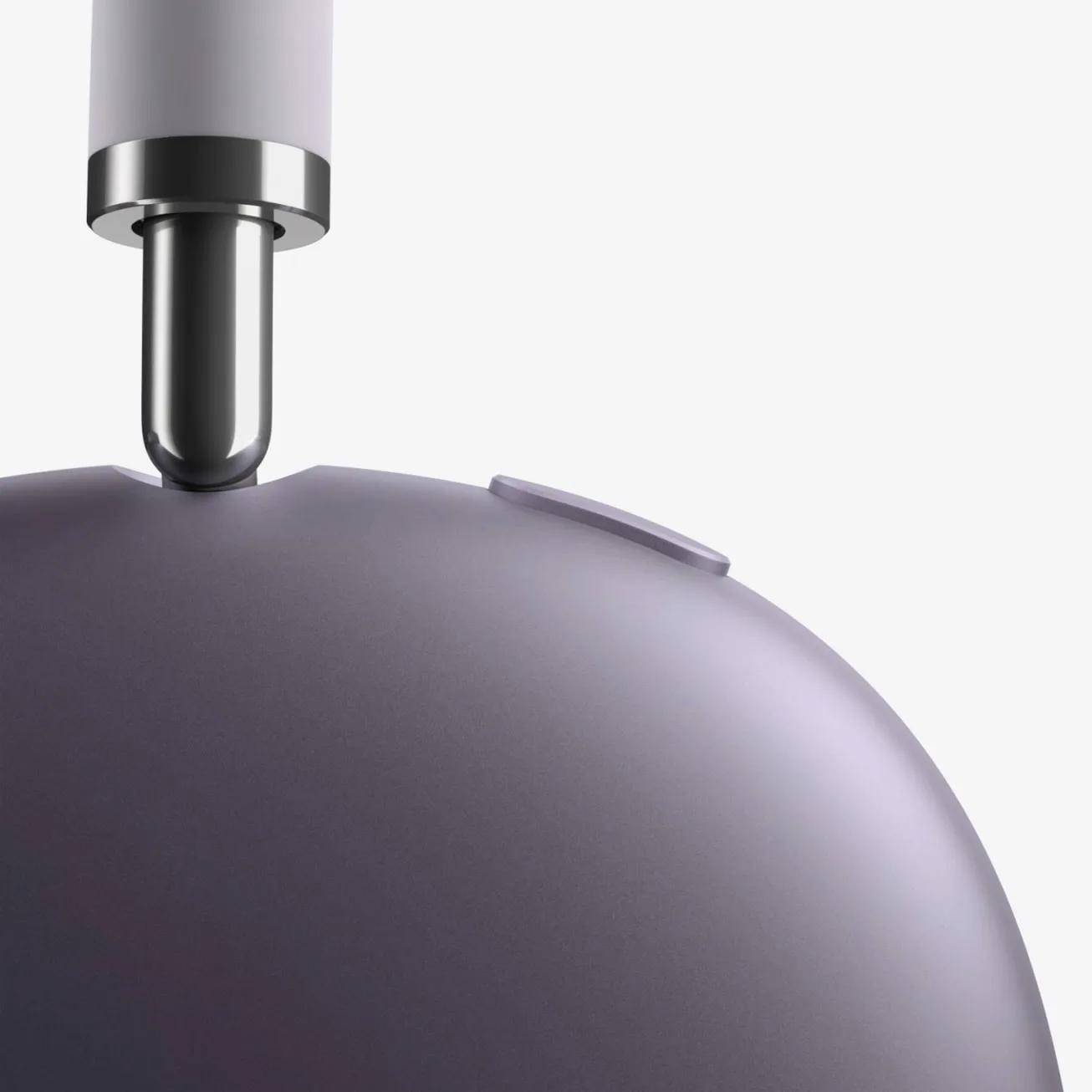
In terms of pure audio, the most interesting addition is undoubtedly support for lossless 24-bit/48 kHz audio via USB-C. Apple confirms that the AirPods Max 2 can play this lossless audio when connected via cable to compatible Apple devices. This significant advancement is especially noteworthy for users who view the headphones as a tool for work, editing, or more demanding listening experiences.
Apple also announces other features, such as the reduction of excessively loud sounds, remote camera control via the Digital Crown, and a personalized volume that adjusts according to the user’s listening habits. The battery life remains rated at 20 hours with active noise cancellation.
Apple revives its Max without changing the price — and that might be the real message
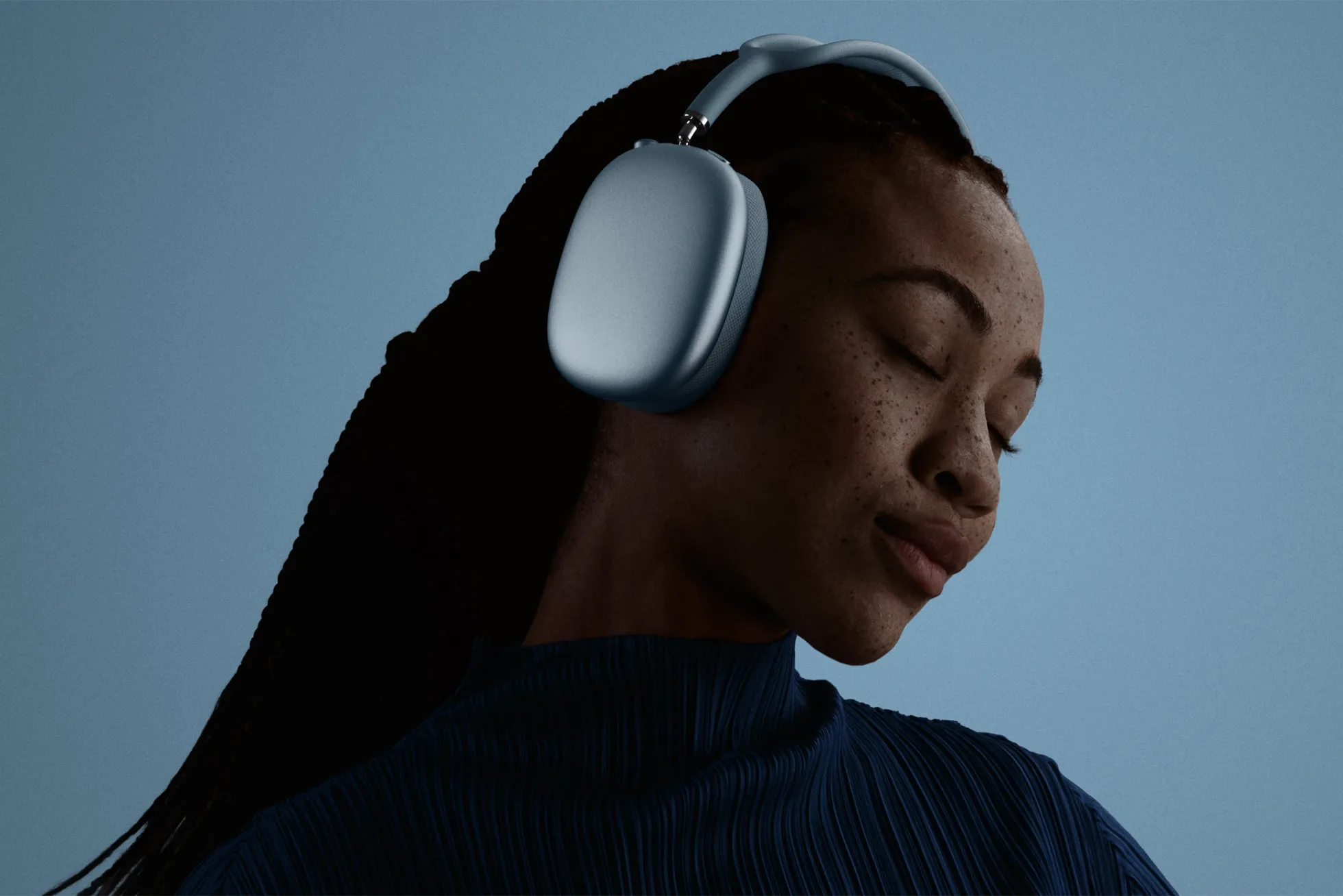
The most striking aspect might be elsewhere: Apple keeps the price at €579. In a time when almost all premium tech prices are rising, this price stability appears to send a competitive signal. Reuters notes that Apple seeks to bolster its presence in a high-end headphone market where competitive pressure remains strong.
This decision alters the perception of the product. The AirPods Max 2 are no longer merely a comfort update; they emerge as a more serious attempt to reestablish Apple’s headphones in the premium conversation, without turning them into an even more inaccessible item.
Apple has not chosen a spectacular break. Instead, it has opted for something more effective: to take a desirable product that had fallen behind and finally inject it with the technical and software components that have been expected for years. For the AirPods Max, this was probably the right way to make a comeback.



