Google Pixel Fold: A patent reveals a glue-free battery, revolutionary for repair
In the realm of foldable smartphones, everything is in motion — hinges, frames, cables, and mechanical stresses. Among these components, the battery is often the most challenging to replace: glued down so securely that a simple intervention can turn into a risky operation (heat, solvents, leverage, deformation).
A patent application attributed to Google outlines an alternative: a mechanically secured battery designed to remain electrically stable even as the device bends and twists.
According to reports detailing the application (initially spotted by Hypertxt), Google describes a battery integrated within a framework with support points intended to prevent it from slipping, twisting, or loosening over repeated folding cycles. The aim is two-fold: to maintain reliable electrical contacts despite the micro-movements of the chassis and to facilitate cleaner extraction in repair shops, as a component is removed rather than “peeled off” from a delicate part.
Android Authority summarizes the concept as a system where the battery is no longer “glued,” but rather confined and secured, with an important focus on grounding to ensure electrical stability.
Why Glue Is More Problematic on a Foldable
On a traditional phone, glue performs well: the chassis is rigid, and the stresses are relatively predictable. However, on a foldable smartphone, the patent highlights an environment where components endure repeated flexing, micro-movements induced by the hinge, and a high internal density that leaves little room for deformation.
In this context, glue can degrade over time, lose its holding power, or require greater withdrawal forces — thus becoming more hazardous when it is time to replace the battery.
If this concept ever comes to fruition, the benefits are very “real-world”: reduced risks of puncturing or folding a cell, fewer heating/solvent steps, more standardized access (screws, clips, retention pieces), and faster interventions in repair shops.
This is typically the kind of evolution that might not dazzle during a keynote, but significantly improves everyday life, as battery wear is the most inevitable aspect of a smartphone.
Possible Trade-offs: Space and Sealing
The downside of mechanical retention is well known: it requires space. A framework, support points, and stops can affect thickness, capacity, or assembly complexity. However, some articles note that the patent application aims to reconcile repairability with modern demands (thinness, wireless charging, resistance), though the final outcome remains uncertain.
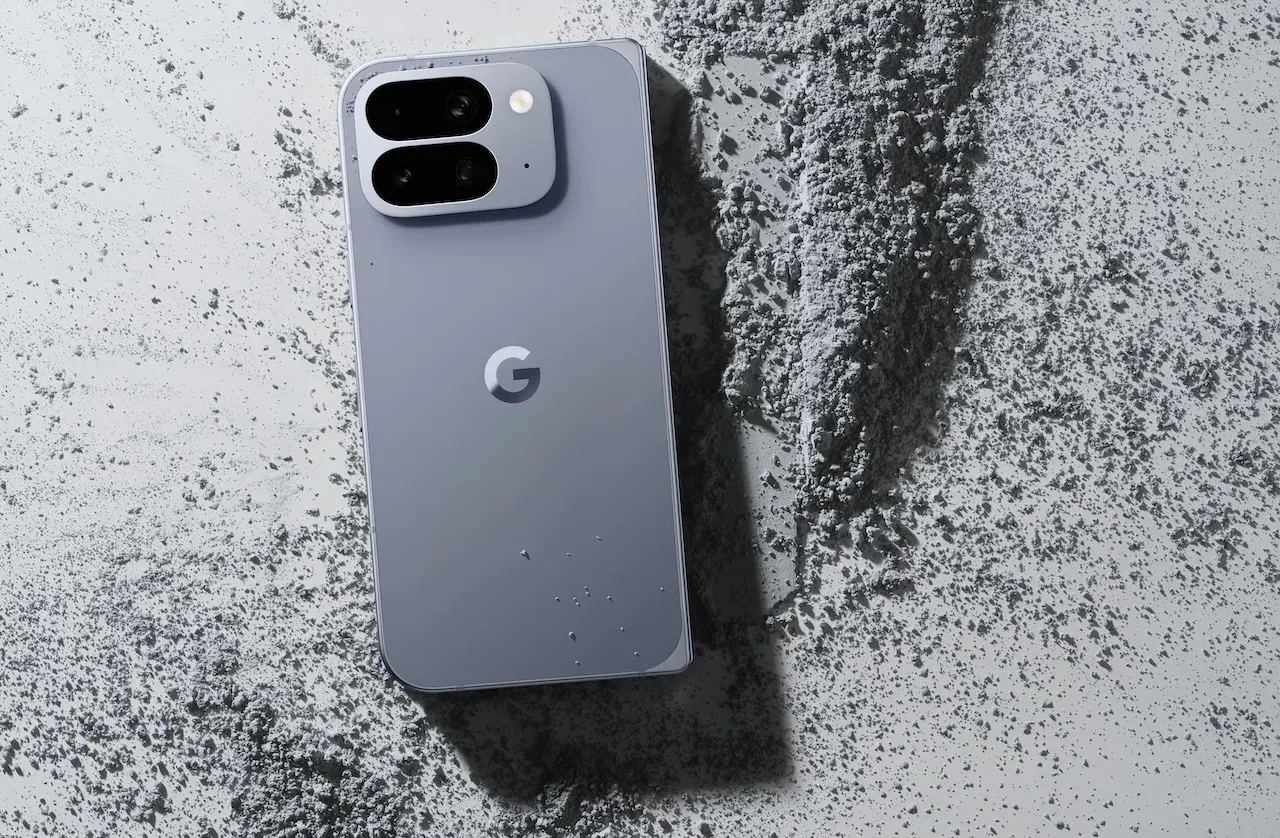
Although this patent does not specify any product timeline, it arrives at a time when battery repairability is becoming a crucial issue. The European Union has already decided that, by 2027, stricter requirements for the repairability/replacement of portable batteries will come into effect.
In this context, the idea of a battery less reliant on adhesives is not merely a convenience: it could represent an industrial direction.
Not Just Patent Foundations… Dismantling
This is the crucial point: a patent is not a product announcement. There is no mention of a Pixel model, date, price, or region — therefore, no certainty for the next generation. The real indicators will emerge elsewhere: through tear-downs showing more screws and fewer adhesive tabs, shorter repair guides, and an internal architecture that “plans ahead” for replacement instead of merely enduring it.
If Google genuinely pursues this approach in a future Pixel Fold, it won’t just be good news for repair technicians; it will send a message to the entire market at a time when durability is starting to weigh as heavily as megapixels.