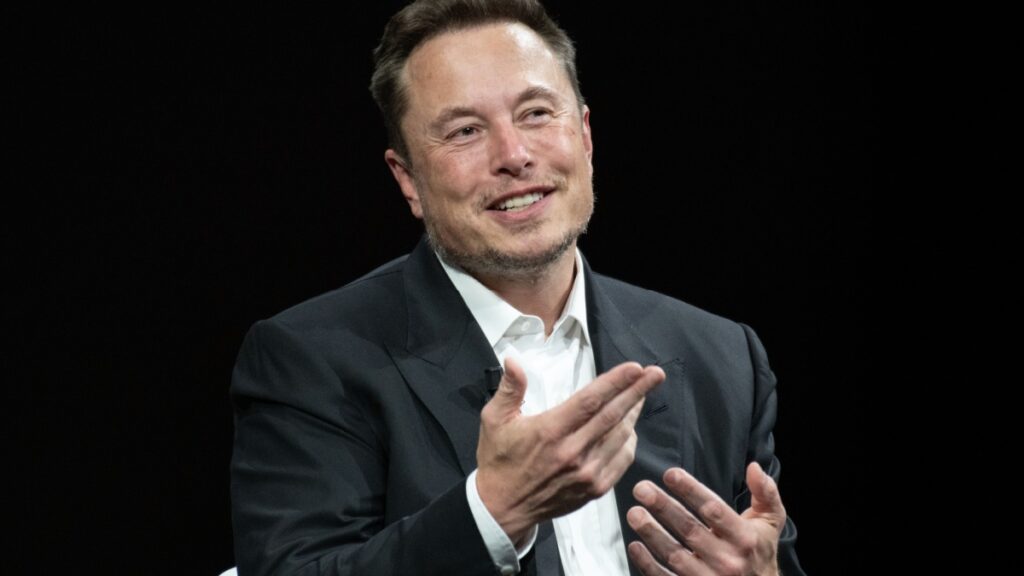
Elon Musk has launched a massive legal attack against OpenAI and Microsoft, seeking up to $134 billion in federal court. He aims to reclaim profits he considers unjust from his foundational support. This showdown is set to be crucial for the future of artificial intelligence.
How Musk Justifies the $134 Billion Claim: Key Figures from His Initial Contribution to OpenAI
Musk believes that his initial support merits a staggering compensation. A legal document outlines his claim, which targets the profits generated by OpenAI as a result of his involvement. According to him, these gains rightfully belong to him.
According to figures presented in court, OpenAI has reportedly earned up to $109 billion thanks to the billionaire’s initial backing. Microsoft, its primary partner, is said to have reaped an additional $25 billion.
Musk’s attorneys emphasize his foundational role. Without his funding and notoriety, OpenAI might never have existed. A designated expert has carefully assessed this contribution to justify the enormity of the sum.
OpenAI and Microsoft Counterattack: They Denounce An Abusive Lawsuit and Contested Calculation Methods
OpenAI firmly rejects the accusations, labeling them as an unfounded legal attack akin to harassment. Microsoft aligns itself with this stance, denying any wrongful involvement in the alleged actions.
Both companies contest Musk’s financial evaluation. They have submitted evidence to the court to challenge the validity of these figures. The conflict promises to be a tense confrontation.
Musk Accuses OpenAI of Betraying Its Original Mission by Partnering with Microsoft and Pursuing Commercial Interests
Musk criticizes OpenAI for abandoning its initial goal. He reiterates that he funded a non-profit organization intended for the common good, viewing the current commercial alliance with Microsoft as a grave violation of that mission.
He asserts that he contributed 60% to the initial funding, recruited the first talent, and provided crucial credibility. He believes these efforts justify the return of profits now being generated.
A Crucial Hearing in April: The Decision Could Redefine AI Regulations in the United States
A California judge has scheduled the trial for April. A jury will then assess the evidence and make a ruling. The outcome could significantly impact the current dynamics of artificial intelligence.
Defenders of Microsoft and OpenAI seek to have Musk’s financial analysis excluded, labeling it speculative and unverifiable. They fear a potentially heavy precedent for the industry.
The outcome remains uncertain. If the jury rules in Musk’s favor, the damages could be enormous. This case could fundamentally reshape the intellectual property landscape in the global tech sector.