

Qualcomm to Samsung? The future Snapdragon 2 nm could abandon TSMC
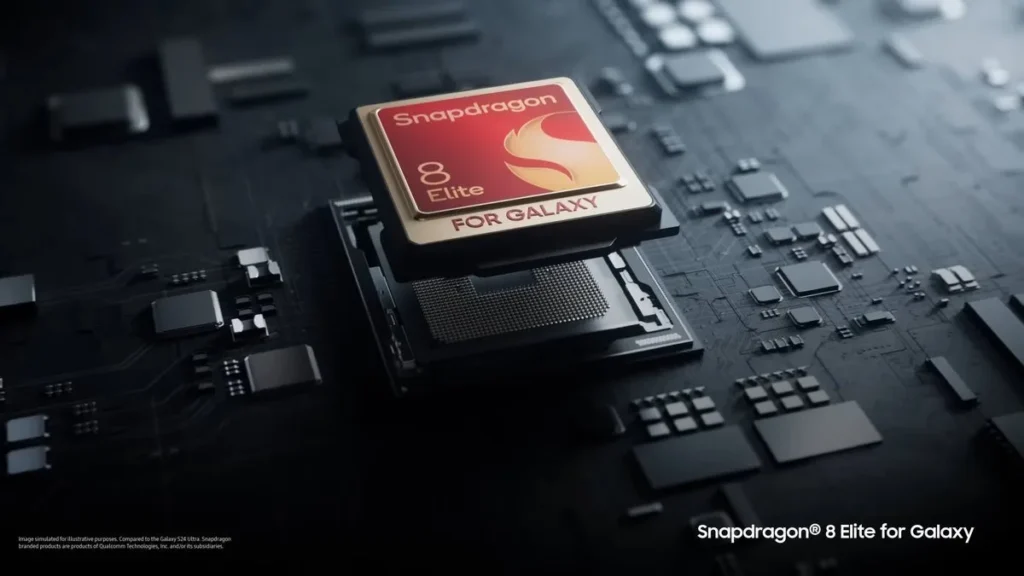
Qualcomm is reportedly considering manufacturing a future high-end Snapdragon chip at Samsung Foundry, using its second-generation 2 nm process (SF2P)—a significant shift after years of TSMC being the automatic choice for flagship chips.
Cristiano Amon, CEO of Qualcomm, confirmed during CES 2026 that discussions with Samsung regarding 2 nm production have commenced. However, Qualcomm did not reveal the name of the chip, nor is there a signed contract, confirmed volumes, or a definite timeline.
In other words, for now, these are negotiations, not certainties.
Samsung plans to manufacture Qualcomm’s Snapdragon 8 Elite Gen5 AP—which TSMC currently produces on its 3nm process—using Samsung’s 2nm node.
Industry sources believe Samsung will allocate about 10% of the capacity secured at its Hwaseong S3 fab for Qualcomm AP production. Since… https://t.co/LOl3tfhFlP
— Jukan (@jukan05) January 7, 2026
Why Is This A Strong Signal?
If Qualcomm is returning to Samsung for a premium SoC, it indicates a clear strategic interest. Here are three probable reasons:
- Multi-foundry option: reducing dependence on a single player (TSMC) to secure supply and capacity.
- Commercial leverage: having two credible options improves negotiation power.
- Real advancements at Samsung on 2 nm: Samsung aims to demonstrate the maturity of its 2 nm process in terms of yield and efficiency, and Qualcomm’s interest serves as a marker.
Where Does SF2P Fit In Samsung’s Roadmap?
Samsung presents SF2P as a “second-generation” step in its 2 nm family (after SF2) in its roadmap documentation. If this information materializes, several notable elements will emerge:
- Power consumption and thermal performance: historically, when the same “family” of chips is produced at two foundries, there can be subtle differences in consumption and sustained performance depending on batches and manufacturer integration.
- Availability: a second foundry may help avoid shortages for highly demanded models.
- Samsung Foundry’s reputation: successfully delivering a flagship Snapdragon on 2 nm would significantly boost credibility, while failure could reinforce the notion that TSMC remains the reliable choice.



