

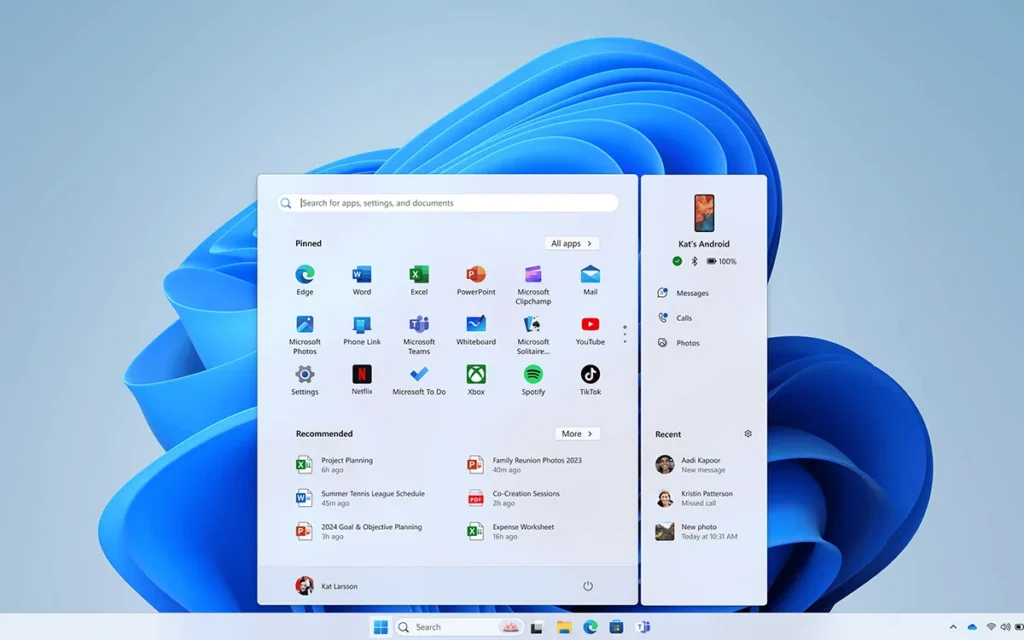
Windows Insider: Microsoft simplifies its Windows 11 lab
Microsoft is revamping the Windows Insider program with a straightforward objective: to make Windows testing clearer, less risky, and more useful. The core change involves a reorganization into two main channels, Beta and Experimental, with the latter largely replacing the previous Dev and Canary channels.
Windows Insider: Fewer Channels, More Clarity
For years, the Insider program has struggled with a paradox of complexity: too many channels, varying levels of stability, and uncertainty about what would actually be delivered in Windows. With this overhaul, Microsoft aims to better distinguish features that are close to public release from more unstable experiments.
The Experimental channel will serve as a testing ground for ideas under development, including those that may change, be delayed, or never be released. The Beta channel will remain closer to a public experience.

Windows Update Becomes Less Intrusive
The overhaul goes beyond just the Insider program. Microsoft is also testing a new approach to Windows Update: the ability to extend update pauses in blocks of 35 days, fewer mandatory restarts, and clearer options for shutting down or restarting without immediately installing an update.
This might be the most significant change for users. Microsoft seems to finally recognize that the issue isn’t the update itself but when it forces its way in.

A More Mature Strategy for Windows
This shift illustrates a broader evolution. Microsoft is no longer just trying to pile on new features in Windows 11; it is focused on rebuilding trust around its development cycle. A simplified Insider program means clearer feedback, more targeted testing, and potentially more stable public releases.
For average users, the impact will be indirect yet real: the features tested today in Insider will influence the quality of tomorrow’s Windows.
A Windows That Listens More
This overhaul doesn’t launch a new version of Windows, but it could be equally significant. By giving testers more control and reducing confusion, Microsoft is placing user experience at the forefront of its software lab.
Windows needs more than just new features; it needs to be less intrusive, more predictable, and more respectful of the pace of those who use it.



