

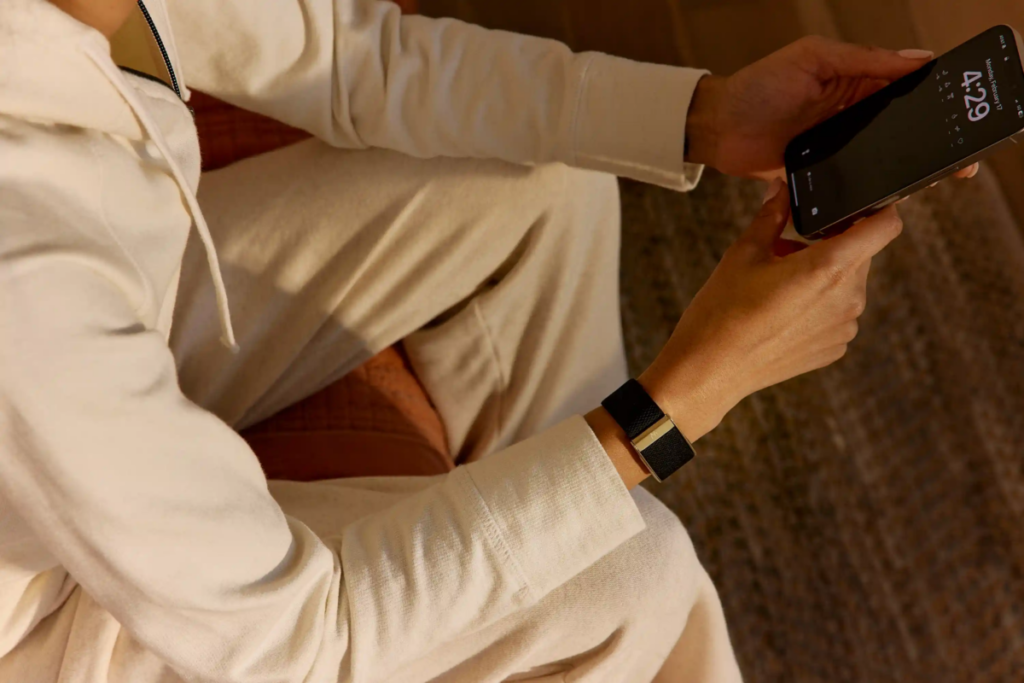
WHOOP strikes back against Fitbit Air with integrated medical consultations
The market for screenless fitness trackers is becoming increasingly competitive. Just hours after Google announced the Fitbit Air, WHOOP unveiled a series of new health and AI features aimed at strengthening its premium positioning.
WHOOP aims to turn data into real medical tracking
The most significant new feature is the introduction of on-demand video consultations with licensed clinicians directly within the WHOOP app. This service will launch in the United States this summer, allowing subscribers to interact with healthcare professionals using the data collected by the tracker.
WHOOP explains that these consultations can rely on several months of physiological data, along with blood analyses and medical history when such information is available.
The platform also adds the synchronization of electronic medical records via HealthEx, with imports of diagnoses, treatments, and medical procedures.
A more personal… and intrusive AI
WHOOP is further advancing its AI assistant. A new feature called My Memory will allow users to view, modify, or delete personal information used for smart coaching.
The company also introduces Proactive Check-Ins, which can suggest adjustments to sleep, training, or recovery based on detected contexts: travel, important events, or accumulated fatigue.
The WHOOP Journal is evolving with voice and text entries to track habits, supplements, or life events, while the AI can automatically suggest new parameters to monitor.

A direct response to Fitbit Air
The timing is hard to overlook. Google recently launched the Fitbit Air, a screenless fitness tracker priced at $99, which includes three months of Google Health Premium.
WHOOP, with subscriptions starting at €199 per year, must therefore justify its significantly higher price point. Its response is clear: to transform the wearable into a continuous health platform rather than just a recovery tracker.
The wearables war shifts ground
The real turning point here is not in the hardware. The sensors are becoming increasingly similar. What now differentiates players are the ecosystems surrounding the data: AI, coaching, medical histories, human consultations, and contextual interpretation.
Fitbit aims to democratize the format. In contrast, WHOOP is striving to become a premium health layer that remains continuously connected. Two very different visions of wearables… but with the same ambition: to stay present on the wrist—and in daily habits.



