

WhatsApp: India Suspends Deployment of Profile Names Due to Fears of Scam Surge
The deployment of profile names on WhatsApp encounters a significant setback. While Meta is gradually rolling out this new feature, the Indian government has requested the company to halt its launch in the country, citing security and fraud concerns.
India is by far WhatsApp’s largest market, boasting over 500 million active users, making this decision a substantial blow to one of the messaging platform’s most anticipated updates.
A Feature Designed to Enhance Privacy
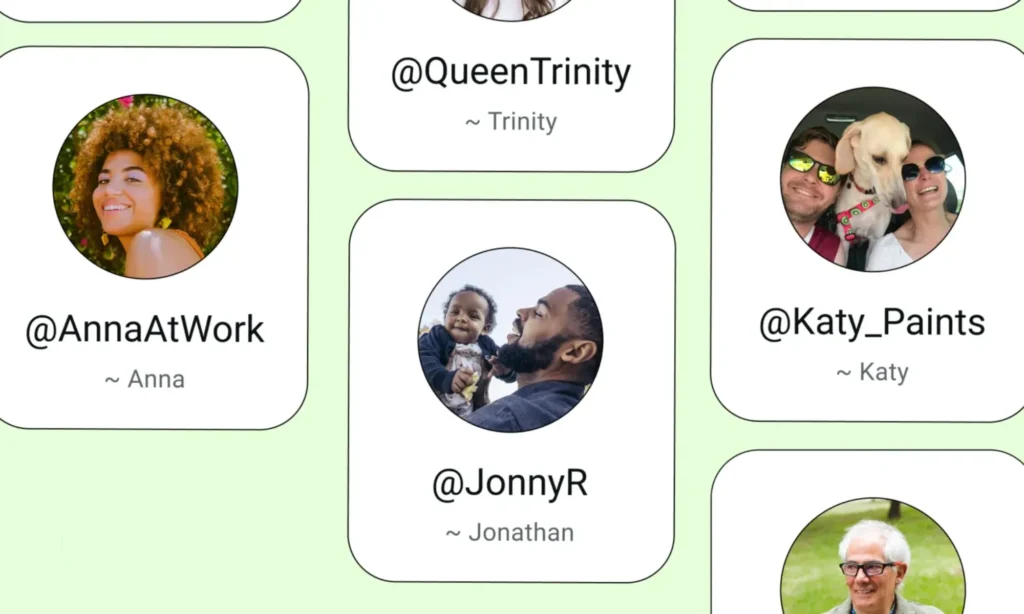
With this update, WhatsApp aims to allow users to communicate without having to share their phone numbers directly. Similar to platforms like Telegram or Discord, each user will be able to create a unique username for easier communication in certain contexts, such as public groups, communities, creator accounts, professional exchanges, or chats with strangers.
Meta’s stated goal is to enhance privacy by limiting the exposure of personal phone numbers.
WhatsApp also clarifies that these profile names will be optional, not accessible via a public directory, and users will need to know the exact username to initiate a conversation.
The platform will also implement a profile name key system that users can activate to add an extra layer of protection against unwanted contacts.
Why Is The Indian Government Concerned?
Despite these assurances, the Indian Ministry of Electronics and Information Technology (MeitY) believes that this feature could complicate the fight against online scams.
Authorities have thus requested WhatsApp to pause the rollout while consultations with the government take place.
The primary risk identified is identity theft. Even without a visible phone number, a scammer could create a username very similar to that of a public figure, business, or acquaintance and use a convincing profile picture to deceive victims.
WhatsApp Scams Are Already a Major Issue in India
The government’s concerns stem from the rise in scams on WhatsApp in recent years. One of the most common is the “digital arrest” scam. In this form of fraud, criminals pose as representatives from the police, CBI (Central Bureau of Investigation), the Reserve Bank of India (RBI), tax authorities, or financial crime units.
Victims are contacted via voice or video calls on WhatsApp, threatened with fictitious legal action to pressure them into making quick bank transfers.
More traditional scams are also prevalent, where fraudsters impersonate a family member or friend, claiming to be in an emergency and requesting immediate money transfers before the victim has time to verify the information.
Creator Accounts Could Also Become Targets
The gradual introduction of subscription models for creators on WhatsApp adds a new dimension to the issue. Accounts imitating influencers, celebrities, or companies could be used to fraudulently collect payments or spread misinformation to subscribers who believe they are interacting with the legitimate account.
While Meta claims to have integrated several protective mechanisms, Indian authorities want to ensure that these new uses don’t facilitate large-scale identity theft campaigns.
Privacy Advocates Remain Divided
According to Apar Gupta, director of the Internet Freedom Foundation (IFF), this feature has both advantages and risks. On one hand, profile names enhance privacy by avoiding the need to share phone numbers. This can limit harassment, unwanted calls, and data cross-referencing across various platforms.
WhatsApp’s usernames feature promises more privacy, but the reality is more complicated, here’s what you need to know about the latest update. pic.twitter.com/sXj9luM0qs
— Internet Freedom Foundation (IFF) (@internetfreedom) July 2, 2026
On the other hand, a recognizable identifier could facilitate certain forms of impersonation if malicious users manage to reserve a username similar to that of a known individual.
The Internet Freedom Foundation also criticizes the approach taken by the Indian government, arguing that MeitY has not specified on what legal basis it can demand the suspension of a feature even before its official launch.
A Difficult Balance Between Privacy and Security
This situation perfectly illustrates the dilemma faced by messaging platforms. Profile names represent a significant advancement for personal data protection by reducing the exposure of phone numbers. However, they also require WhatsApp to enhance its tools for detecting fake accounts and identity theft attempts.
For now, Meta has not indicated whether it plans to alter its rollout schedule in response to the Indian authorities’ requests. Given the strategic importance of the Indian market, it is likely that the company will prioritize dialogue before rolling out this new feature widely.



