

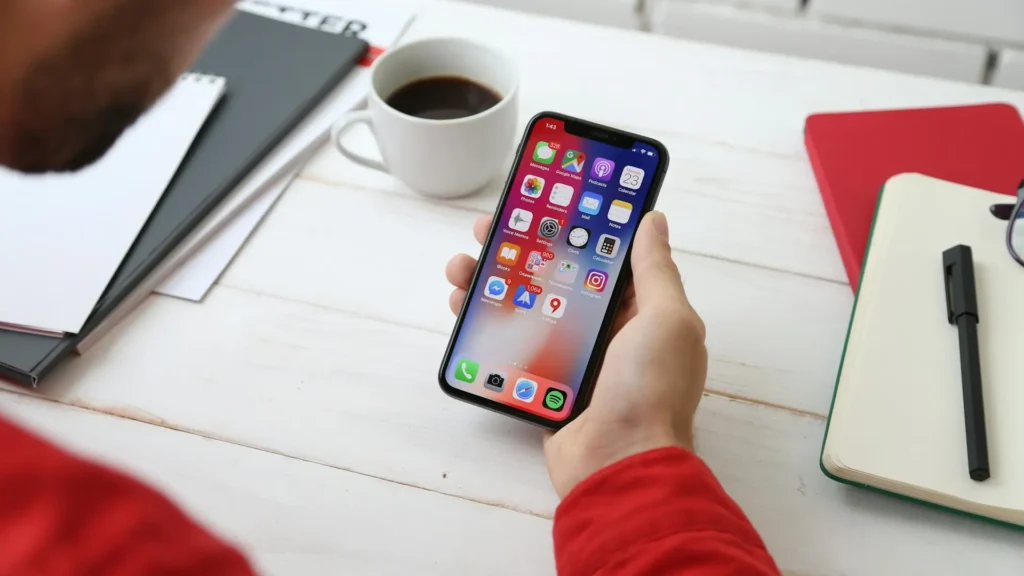
The iPhone X and the MacBook Pro 15 inches from 2018 become officially obsolete at Apple
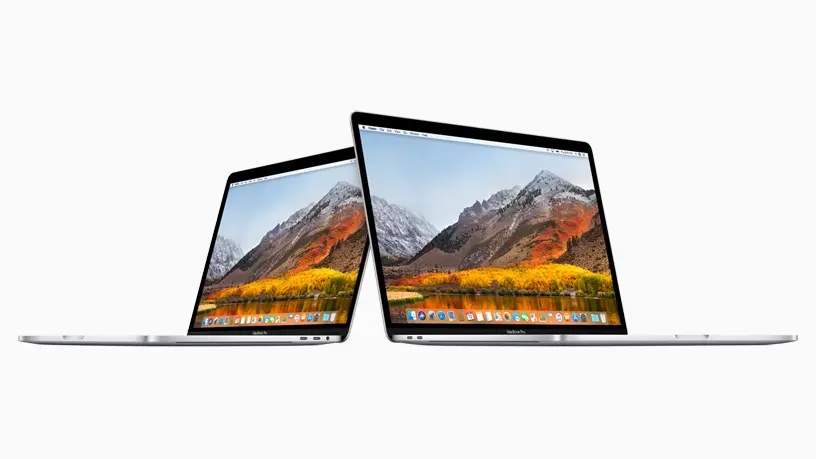
Two iconic machines in Apple’s recent history have just reached a significant milestone. The iPhone X and the MacBook Pro 15 inches from 2018 have now been added to the list of obsolete products by the brand, officially ending their standard hardware support from Apple.
Two products that once represented the future of Apple
Apple has updated its list of old and obsolete products to include the iPhone X and the 15-inch MacBook Pro released in 2018. Previously categorized as “vintage,” these devices have now entered a more severe classification: that of products for which Apple no longer guarantees hardware service.
This distinction is important. When a device becomes obsolete, Apple typically stops offering hardware repairs, and authorized service centers can no longer order spare parts from the manufacturer.
For the iPhone X, this transition is particularly symbolic. Launched in 2017, this smartphone marked one of the most significant breaks in iPhone history. The removal of the Home button, the introduction of Face ID, a borderless display, and the appearance of the notch: Apple laid the groundwork for an aesthetic language that would define its smartphones for generations.
Nearly ten years later, this device, once heralded as the face of the future, is leaving the traditional maintenance cycle of Apple for good.
The 15-inch MacBook Pro from 2018 has now met the same fate. Its 13-inch model had previously entered the obsolete category.
Obsolete does not mean unusable
For users still in possession of these devices, nothing changes immediately. An iPhone X will continue to start up and function as usual. The same goes for a 2018 MacBook Pro still in use. Apple doesn’t disable devices once they reach this status.
The real change concerns repairs.
According to Apple’s policy, products typically become obsolete more than seven years after their discontinuation. Before this point, they can remain in the “vintage” category for several years during which some repairs may still be available as long as necessary parts are on hand.
Once the obsolescence threshold is crossed, the situation becomes more uncertain. A damaged screen, a heavily worn battery, or a motherboard failure can become much more challenging to address within the official network. However, Apple notes that some services may exceptionally continue for up to ten years after a product’s discontinuation, depending on the availability of components. Nevertheless, this possibility does not guarantee service.
The software had already started to turn the page
On the software front, the transition had been underway for several years. The iPhone X is not compatible with iOS 17. Its last major system version remains iOS 16, while subsequent updates focused primarily on security and maintenance.
The 15-inch MacBook Pro from 2018 enjoyed a significantly longer software lifespan. It remains limited to macOS Sequoia, which nonetheless reflects the longevity of high-end Intel Macs of this generation.
This difference also illustrates the evolution of Apple’s strategy.
Since the shift to Apple Silicon chips, Intel-equipped Macs have gradually moved out of the center of the ecosystem. New features of macOS, particularly those related to artificial intelligence and Apple Intelligence, further reinforce this generational separation.
A symbolic step in Apple’s recent history
The addition of the iPhone X to the list of obsolete products serves as a reminder of how rapidly the smartphone market has evolved. In 2017, Face ID seemed almost experimental. The borderless OLED display was a significant breakthrough, and the notch generated as much debate as it inspired competitors.
Today, these choices feel almost like relics of a bygone era.
The same observation applies to the 2018 MacBook Pro. This generation fully represented Apple’s Intel era, characterized by thermal compromises, a controversial butterfly keyboard, and the Touch Bar. A few years later, Apple Silicon has radically redefined the performance, battery life, and architecture of portable Macs.
The administrative obsolescence of these two machines thus marks not only the end of their hardware support but also the gradual close of a technological chapter.
For their owners, there is no rush to replace them as long as they function properly. However, once significant repairs become necessary, maintaining these devices may require more patience — and likely resorting to independent repair shops. The iPhone X and the 2018 MacBook Pro will continue to operate on certain desks and in some pockets for quite a while. But at Apple, they now officially belong to history.



