

Tablet market: why the decline in volumes hides a record premiumization?
After a year of recovery, the global tablet market ended 2025 on a quieter note. According to the latest Global Tablet Market Tracker from Counterpoint Research, shipments declined by approximately 3% in the fourth quarter compared to the previous quarter and 4% year-on-year, indicating a market transitioning from a rebound phase back to a more stable logic, driven more by renewal than by volume explosion.
Counterpoint clearly describes this end-of-year period as a “digestion” phase. The contrast is particularly noticeable because Q4 2024 served as a high comparison base, following a rebound fueled by the return to regular launch cycles from Apple and Samsung, as well as the rise of Chinese manufacturers. Therefore, the market is not collapsing; it is simply changing its pace.
Volume Matters Less, Value Matters More
The most revealing point may not be the decrease in shipments, but how brands are adapting. Counterpoint emphasizes that manufacturers are now prioritizing higher-value devices, better integration into their ecosystems, cleaner sales channels, and tighter inventory management, rather than an aimless race for volume.
This shift is particularly evident at Apple. The firm estimates that the ASP of the iPad has risen from $527 to $583, reflecting a more premium product mix. In other words, even in a tightening market, premium products continue to maintain their ground.

The iPad Air Becomes A Strategic Pivot In The Tablet Market
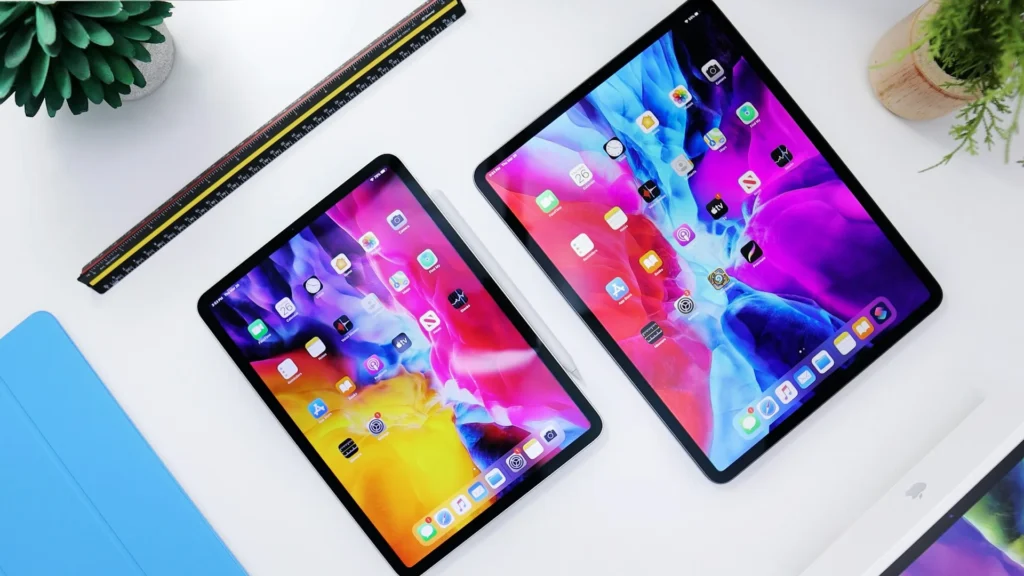
Apple has further strengthened this strategy in early March with its new iPad Air M4, marketed as more powerful, with increased memory and at the same starting price as the previous generation. This is a shrewd positioning: placing the iPad Air between the entry-level model and the Pro, as an accessible premium option, while maintaining a high average selling price.
It is precisely this type of product that helps stabilize the market. Tablets are no longer only purchased as secondary screens; they are increasingly sold as light productivity tools, often bundled with a keyboard, stylus, or used creatively. Counterpoint also notes that Android manufacturers are bolstering their mid-range segments while keeping entry-level options available.
The Real Risk For 2026: Memory Costs
The main cloud on the horizon remains the cost of components, particularly memory. Counterpoint warns that rising prices could weigh more heavily on entry-level and mid-range Android tablets in 2026. This concern aligns with other market signals: the tension in DRAM and NAND, fueled by AI-related demand, is beginning to reshape the economics of numerous consumer devices.
In this context, the market could further soften in the short term before gradually stabilizing over the year, as renewal cycles regain momentum and costs normalize. This scenario is less about a crisis and more about a selection process: the best-positioned models, the most consistent in use, and the ones best integrated into their ecosystems should perform better than merely “cheap” tablets.
A Less Spectacular But More Understandable Category
Ultimately, this slowdown tells a healthy story. The tablet market seems to be emerging from the post-pandemic jitters and entering a more mature phase, where brands offer fewer general promises and more targeted products: productivity tablets, premium family screens, creative terminals, and mobile companions. Counterpoint succinctly summarizes this trend as a more stable and disciplined replacement cycle.
This is not the end of the tablet market. It is likely the conclusion of a tablet market that relied solely on volume.



