

Samsung ISOCELL HPA: A Giant 200-Megapixel Sensor Set to Revolutionize Photography in 2027
Samsung may be on the verge of a significant shift that photography enthusiasts have long awaited: less “forced software magic” and more focus on physical improvements.
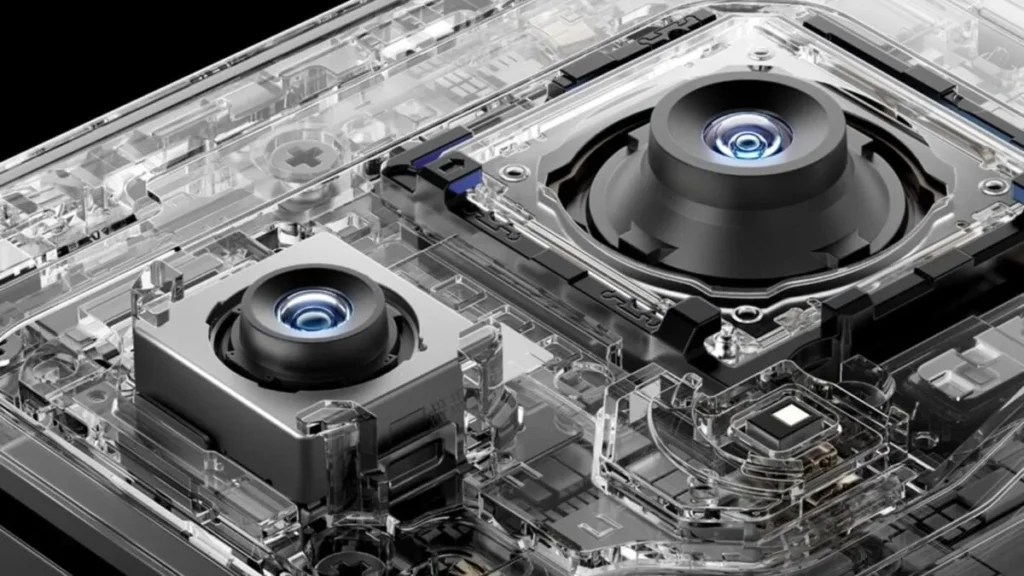
According to multiple leaks from China, the company is reportedly developing a new 200-megapixel sensor named ISOCELL HPA, which is larger than their current 200-megapixel models—featuring LOFIC technology designed to enhance dynamic range at the source.
A 200-Megapixel Sensor that Grows: 1/1.12” and the Shadow of “1 Inch”
The leaker Digital Chat Station mentions a 1/1.12″ optical format for the ISOCELL HPA. For reference, Samsung already offers 200-megapixel sensors in 1/1.3” format (such as the ISOCELL HP2).

In practical terms, shifting from 1/1.3″ to 1/1.12″ represents a significant increase in sensor size, bringing it closer to the “1-inch” class used by some competitors.
The benefits are clear: more surface area to capture light means potentially improved low-light performance, better detail with less noise, and enhanced color accuracy and highlight retention, particularly in high-contrast scenes.
LOFIC: The Real Photo Enhancement Beyond Megapixels
Another crucial aspect of the leak is the integration of LOFIC (Lateral Overflow Integration Capacitor). The goal of LOFIC is to expand dynamic range at the hardware level by storing more charge when light is intense, rather than “clipping” highlights and relying on multi-image HDR to fix it later.
If Samsung implements this effectively, we can expect more natural HDR results (less of a “painted” look), fewer halos and artifacts, and better consistency between stills and video, where multi-frame techniques can be less stable.
Two Sensors, Two Strategies: HPA for Partners, HP6 for Galaxy?
This is where the story gets intriguing: another rumor, notably circulated by Ice Universe, suggests that the Galaxy S27 Ultra may feature an ISOCELL HP6… which would remain at 1/1.3” but benefit from LOFIC enhancements and refined processing to “catch up” some of the advantages of the HPA.
In essence, Samsung could be pursuing two parallel avenues:
- Expanding the sensor size (HPA 1/1.12”) to attract certain OEM clients (often Chinese) while showcasing technological prowess.
- Optimizing the existing format (HP6 1/1.3”) for its own Galaxy devices, where constraints around thickness, camera module, and design are tightly regulated.
This approach isn’t unreasonable: Samsung sells sensors to the industry while sometimes keeping “special” variants for its flagship devices.
2027 on the Horizon, with Possible Initial Deployment to Other Brands
These same leaks indicate that this new sensor might be available around 2027. As is often the case with high-resolution ISOCELL sensors, it’s plausible that we may see these advancements first with partner brands before they reach the “Galaxy” series.
Samsung Finally Puts “Physics” Back at the Center
In recent generations, mobile photography has relied heavily on computational methods: aggressive HDR, enhanced sharpness, and varying degrees of successful noise reduction. The combination of a larger sensor and LOFIC indicates a different direction—improving the raw material to reduce dependence on heavy processing.
However, the reality remains: a larger sensor often requires a thicker module and a more complex design. If Samsung can reconcile this with the aesthetics of its Ultra models (without an undue bulge), it will send a strong signal: the era of “software only” may be reaching its limits, signaling a return to fundamentals within the industry.



