

RAM: Why Did Apple Agree to Pay Samsung Double for Its Memory?
Even a well-oiled production chain like Apple can get stuck when the entire industry is chasing the same resource. According to Dealsite, Apple has reportedly accepted a 100% increase on LPDDR5X modules supplied by Samsung during urgent discussions aimed at securing volumes for the first half of 2026.
It is important to approach such leaks with caution, as precise figures in this sector are rarely made public.
Why Is LPDDR5X Becoming a Battleground?
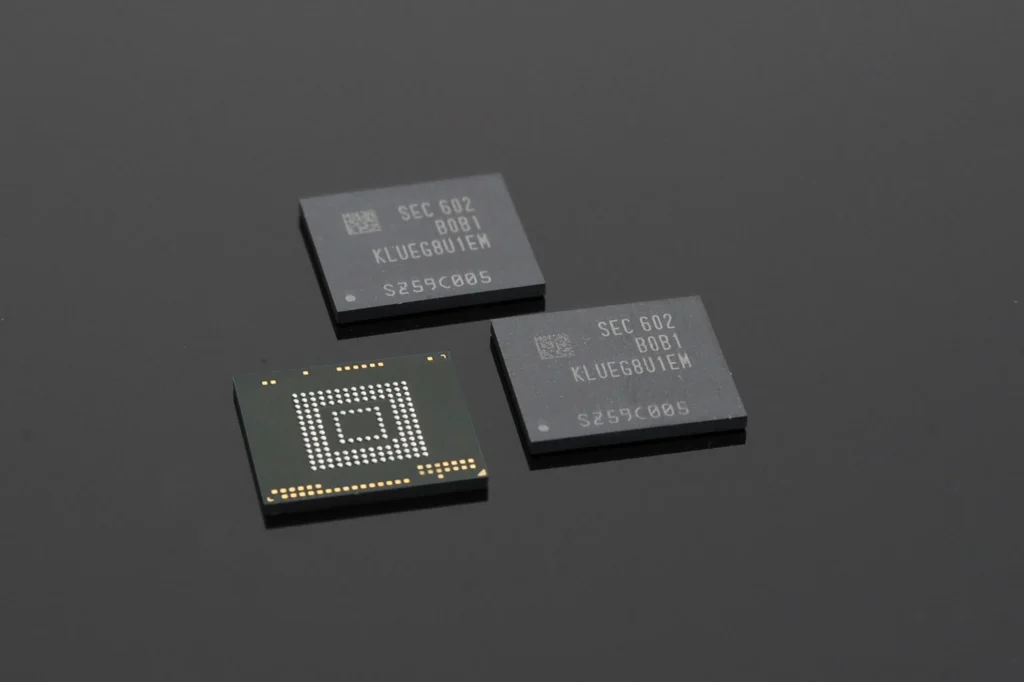
The LPDDR5X is not a “secondary” component: it is the low-power RAM that powers smartphones and tablets… and, more broadly, the Apple ecosystem (especially regarding unified memory and highly integrated platforms).
The issue is that the memory market is being driven upwards: part of the production capacity is shifting towards HBM (High Bandwidth Memory), which is much more profitable and in high demand by AI servers. Some analyses explicitly mention this shift—along with strong projections for rising DRAM prices in contracts.
The Detail That Makes the Rumor Credible: The Price Increase
The report mentions a price jump from about $25–30 to ~ $70 for 12GB LPDDR5X modules between early 2025 and late 2025/early 2026. This is significant, which is why the narrative of “Apple accepted 100%” is circulating so much: it aligns with broader trends (scarcity + shift towards HBM).
On paper, this appears to be a poor deal. However, in practice, it could be a calculated decision:
- Ensuring volume: Missing RAM deliveries during ramp-ups for iPhone/Mac/iPad is more expensive than “overpaying”.
- Avoiding a bidding war: If the market tightens further, securing early can prevent later inflation.
- Protecting the product timeline: Apple has imminent announcements (Mac/iPad/iPhone “e” heavily discussed by the media), and although this may not be directly “related,” component constraints are a constant background pressure.
Does This Mean “Higher Prices for Apple”?
Not necessarily. In the short term, Apple may absorb costs through margins (especially on high-end models), product mix (pushing higher configurations or adjusting RAM/storage tiers), and cross-negotiations (with Samsung and other suppliers, prepayments, long-term contracts).
However, if the pressure continues, the effects may manifest more subtly in entry-level models that stagnate, RAM/storage options that become “less generous” at the same price, or accessories/services that offset costs.
Even Samsung Might Not Be Fully “Protected”
The fact that Samsung Mobile is distributing some DRAM sources (with Micron in certain market discussions) is revealing: the tension is not solely “Apple vs. Samsung”; the entire smartphone industry is facing a memory market that favors server AI.



