

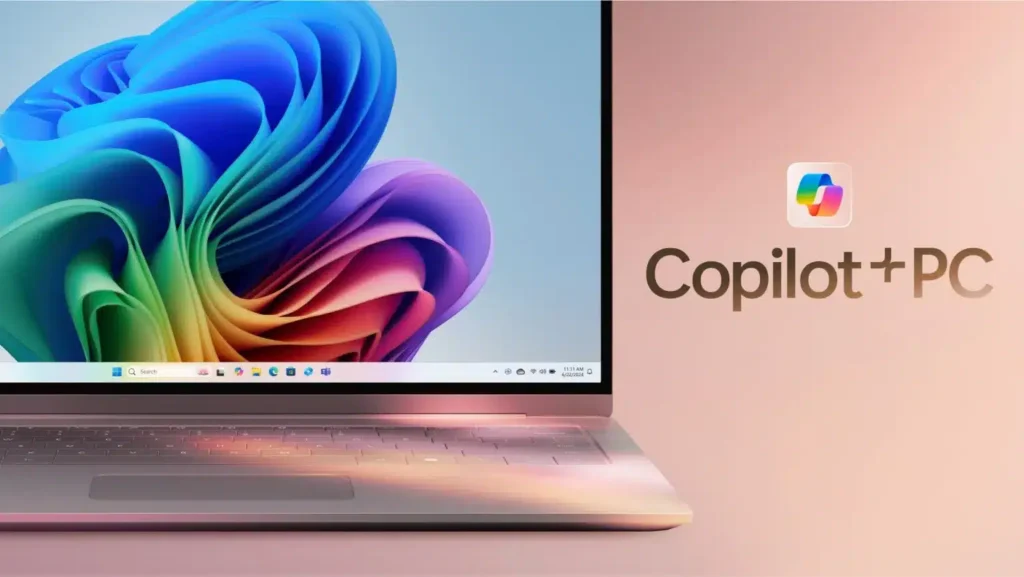
Microsoft wants to make Windows 11 faster and more reliable before focusing on AI
After several years of promoting artificial intelligence as the future of Windows, Microsoft appears to be shifting its priorities. During the presentation of its fourth-quarter financial results for the 2026 fiscal year, CEO Satya Nadella expressed a more pragmatic ambition: to enhance Windows’ foundations to deliver a smoother, more stable, and high-performing experience.
This statement may resonate with many users who have grown weary of problematic updates and features that are sometimes deemed secondary. While AI remains at the core of Microsoft’s strategy, the quality of the operating system is now a renewed focus.
Microsoft aims to strengthen Windows foundations
During the investor conference, Satya Nadella explained that Microsoft is investing to make Windows a platform built on the “best foundations and highest quality possible”, while also continuing the development of AI features executed directly on devices.
No major updates were announced at this event.
However, this statement confirms a growing trend seen over recent months: rather than flooding the platform with visible innovations, Microsoft is now concentrating efforts on deeper improvements to the system.
The objective is clear: to make Windows 11 more responsive in daily use.
Improvements that address user feedback
Since the start of 2026, several developments have already moved in this direction. Microsoft is particularly testing the return of a highly-demanded feature: the ability to move the taskbar to the sides or the top of the screen, just like in earlier versions of Windows.
The company is also working on several technical optimizations aimed at enhancing the overall performance of the system.
Among the ongoing projects are reducing Windows 11’s memory consumption, fixing certain memory leaks, decreasing boot times, speeding up File Explorer, and streamlining Windows search to make it more effective.
These changes may be less dramatic than introducing new AI functions, but they directly respond to requests that have been made since Windows 11’s launch.
A smoother interface rather than a cluttered one
Microsoft is also looking to improve interface responsiveness. The recent Low Latency Profile update exemplifies this approach. Instead of introducing a brand-new feature, this optimization aims to reduce response times for the Start menu and key components of the Windows interface.
The intention is to enhance daily user experience, even when the changes remain invisible to the user. This strategy indicates an evolution in Windows’ roadmap: prioritizing fluidity over a barrage of new features.
Microsoft is also decluttering around Copilot
Another interesting development: Microsoft is starting to reduce Copilot’s presence in certain applications. After extensively integrating its AI assistant throughout the Windows ecosystem, the company is now gradually simplifying certain elements of the interface.
The Copilot name is disappearing from several areas of Notepad and the Snipping Tool as part of a broader effort to simplify Windows.
This decision does not undermine Microsoft’s AI strategy but instead indicates that the company seeks a better balance between intelligent assistance and user-friendliness.
Recent updates have shaken user trust
This commitment to improving system quality comes after several challenging episodes. The mandatory June 2026 update for Windows 11 led to numerous reports from users facing startup failures, unexpected BitLocker recovery prompts, OneDrive-related malfunctions, and crashes on certain configurations.
A few weeks later, Microsoft had to release an emergency patch for some Dell computers experiencing various performance, overheating, and battery life issues.
These incidents underscore that system stability remains a critical issue, especially as updates become more frequent.
Financial results explain this strategic shift
Beyond technical considerations, this new direction also follows an economic logic. In reporting its quarterly results, Microsoft indicated that its More Personal Computing division had experienced a 4% revenue decline. Revenues from Windows OEM and devices dropped by 7%.
While several factors contribute to this trend, these numbers highlight that Windows remains a strategic product whose attractiveness directly impacts the group’s commercial performance.
Thus, enhancing the user experience appears essential for boosting the platform’s value.
A more mature strategy for Windows
Since the arrival of generative artificial intelligence, Microsoft has established itself as one of the industry’s most aggressive players, integrating Copilot into nearly all its products. This trend has occasionally led to the feeling that AI-related innovations overshadow more fundamental user expectations.
Satya Nadella’s remarks suggest a welcome recalibration. Before transforming Windows into an omnipresent AI platform, Microsoft seems to recognize that an operating system must first and foremost be fast, stable, and reliable. This evolution may appear less spectacular compared to announcements surrounding Copilot, but it could prove far more crucial for Windows’ future. In a marketplace where user trust remains vital, the quality of day-to-day experience is arguably the best innovation imaginable.



