

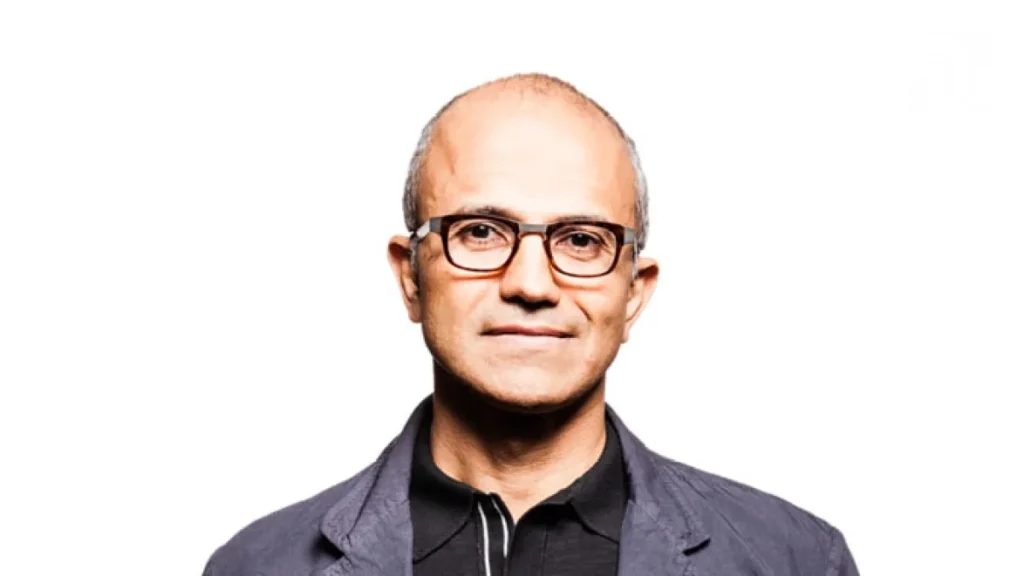
Microsoft-OpenAI: Satya Nadella defends a strategic agreement despite the end of exclusivity
The new relationship between Microsoft and OpenAI feels less like a divorce and more like a reshuffling of cards. Satya Nadella asserts that Microsoft retains the essential asset: access to OpenAI technologies until 2032, without exclusivity and without having to pay royalties for certain uses.
Microsoft Loses Exclusivity, Not Advantage
The new agreement ends Microsoft’s exclusive rights to OpenAI products. OpenAI can now offer its models through other clouds, including AWS, Oracle, and Google.
However, Microsoft retains a license for OpenAI models and products until 2032, now non-exclusive.
For Nadella, the balance remains favorable. Microsoft no longer has to pay revenue shares to OpenAI for certain Azure deployments while continuing to leverage the models in its own products and services.
Financially, OpenAI remains a significant client of Microsoft Azure, with a substantial cloud commitment. Microsoft also maintains a significant stake in OpenAI, enabling it to benefit from its partner’s growth, even as OpenAI opens up to other clouds.
Acknowledging a Multi-Model Strategy
Nadella emphasizes a key point for businesses: they want to avoid dependency on a single model. Microsoft is therefore promoting Azure as an open platform, capable of offering OpenAI, Anthropic, open-source models, and other solutions according to needs.
This strategy mitigates the risks associated with losing exclusivity. Microsoft is no longer just selling “OpenAI on Azure”; it’s marketing Azure as the orchestration layer for all enterprise AI.
The Real Signal: Microsoft Continues to Grow
Nadella’s strongest defense lies in the numbers. Microsoft reports that its AI revenue now exceeds $37 billion annually, marking a 123% year-over-year increase, while cloud services continue to drive the company’s momentum.
The end of OpenAI’s exclusivity signals a new phase: more competitive, more complex, yet potentially just as profitable for Microsoft. Redmond may have lost a symbolic monopoly, but it retains the infrastructure, rights, clients, and flexibility.



