

Google simultaneously rolls out Android 17 and its traditional June Pixel Drop, a combination that introduces a wealth of new features for Pixel smartphones. With a revamped multitasking experience, AI-assisted content creation, music generation, improved calling features, and new security functions for smartwatches, this update promises to be one of the most significant of the year for the Pixel ecosystem.
While Android 17 lays the groundwork for the next generation of Android, the Pixel Drop adds several exclusive features that highlight Google’s strategy around Gemini and contextual artificial intelligence.
Bubbles Transforms Multitasking on Android
The standout feature of this Pixel Drop is called Bubbles. This function allows users to keep certain applications in floating windows that are accessible at any time. Compatible apps include Gemini, web browsers, calendars, and various productivity applications.
This allows users to view multiple pieces of content simultaneously without having to switch constantly between open apps.
On Pixel foldables, Google goes even further with a dedicated Bubbles Bar. This bar centralizes all active bubbles and simplifies their management on larger screens.
Screen Reactions Finally Arrive
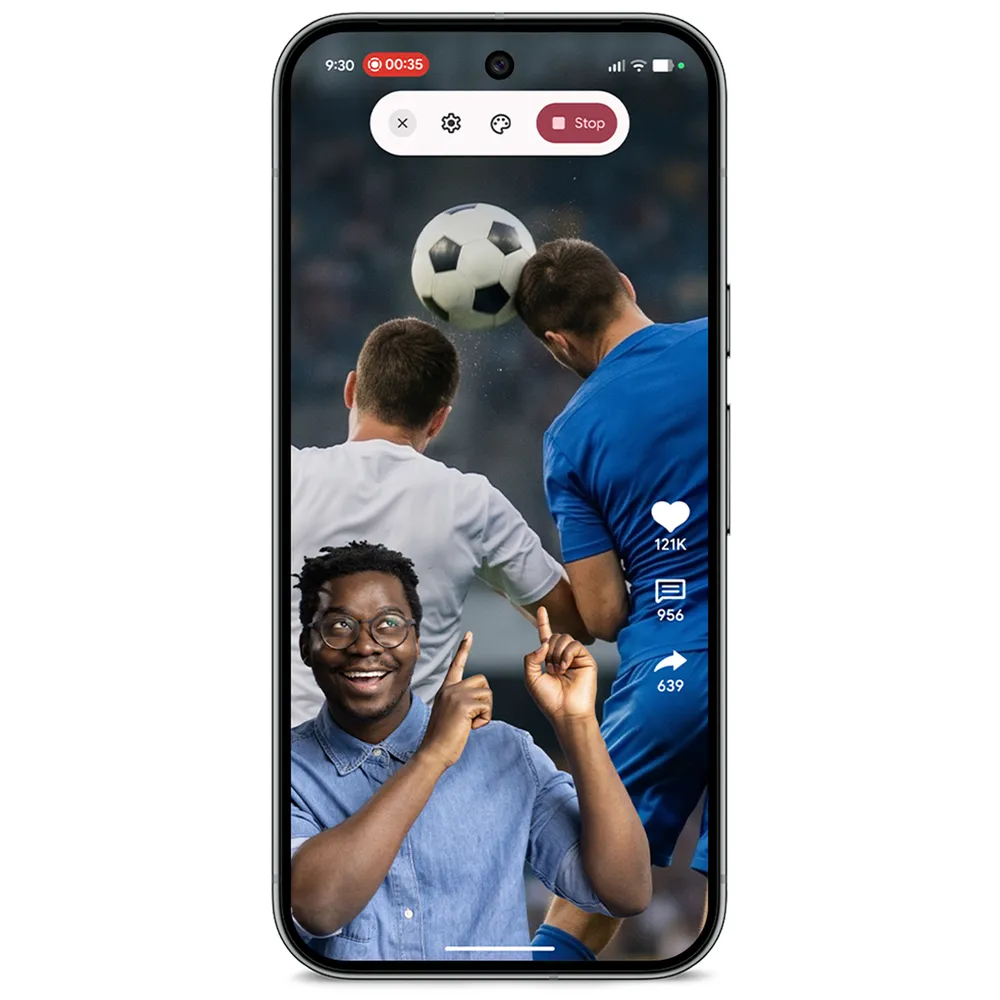
Google also introduces Screen Reactions, a feature designed for content creators. It allows users to simultaneously record the smartphone’s screen and video from the front camera. The result is merged directly into the video capture.
This enables users to create reaction videos, tutorials, gameplay commentary, and app demonstrations without needing additional editing software.
This feature is expected to be particularly appealing to creators active on TikTok, YouTube Shorts, or Instagram Reels.
Gemini Omni Now Generates Videos
Artificial intelligence also becomes more creative. Google introduces Gemini Omni, a tool that can generate videos from a simple text description.
The process is straightforward:
- The user describes the desired scene
- Gemini interprets the request
- A video is automatically generated.
This feature, however, is available only to Gemini Pro subscribers through the Gemini app. It aligns with Google’s strategy to directly compete with generative tools offered by OpenAI, Adobe, or Runway.
Lyria 3 Turns Ideas into Music
Another significant new feature is Lyria 3. This technology allows users to create original musical pieces based on text, images, or stylistic descriptions. Users can adjust various parameters: tempo, musical style, vocal presence, and overall ambiance.
Google continues to expand its AI’s creative capabilities far beyond text and images.

Multiple Pixel Functions Expand into New Territories
The June Pixel Drop also broadens the availability of several previously announced tools. The real-time voice translation feature is now accessible on Google’s new mid-range model, the Pixel 10a.
Google also expands its language-assisted editing system in Google Photos to several markets: France, the UK, Germany, Spain, and Italy. Users can now edit their photos simply by describing the desired changes.

Google also enhances several communication features. Magic Cue, the contextual assistant, is now compatible with more messaging applications, while Take a Message benefits from personalized greetings, expanded availability, and better integration with Pixel calling tools.
Google Pixel Watch owners are also receiving new security features. Google introduces an Emergency Sharing system that works with fall detection, car accident detection, and lack of pulse detection. In the event of a serious incident, the watch can contact emergency services, relay location, and automatically notify predefined emergency contacts set by the user. This approach brings the Pixel Watch closer to the security features already offered on the Apple Watch.
The Pixel Becomes the Showcase for the Gemini Ecosystem
Beyond individual features, this update illustrates a clear trend. Google now uses the Pixel as a favored laboratory to roll out its innovations based on Gemini before potentially expanding them to Android.
From video generation to musical creation, conversational photo editing, and intelligent automation, AI plays a central role in this new development phase.
Android 17 provides the technical foundations, while the June Pixel Drop demonstrates how Google envisions the future of mobile experience: more contextual, more creative, and increasingly assisted by artificial intelligence.
For users of Pixel 6 and later generations, this update represents much more than a simple software evolution. It offers a very concrete glimpse into how Google intends to integrate Gemini into all aspects of daily digital life.



